EU could sanction people involved in corruption anywhere in the world
The European Union plans to set up a way to sanction people who engage in corruption anywhere in the world, along the lines of the one used against Russian oligarchs involved in the invasion of Ukraine. This blacklist would be similar to the "Magnistki Act" passed by the US Congress in 2012.
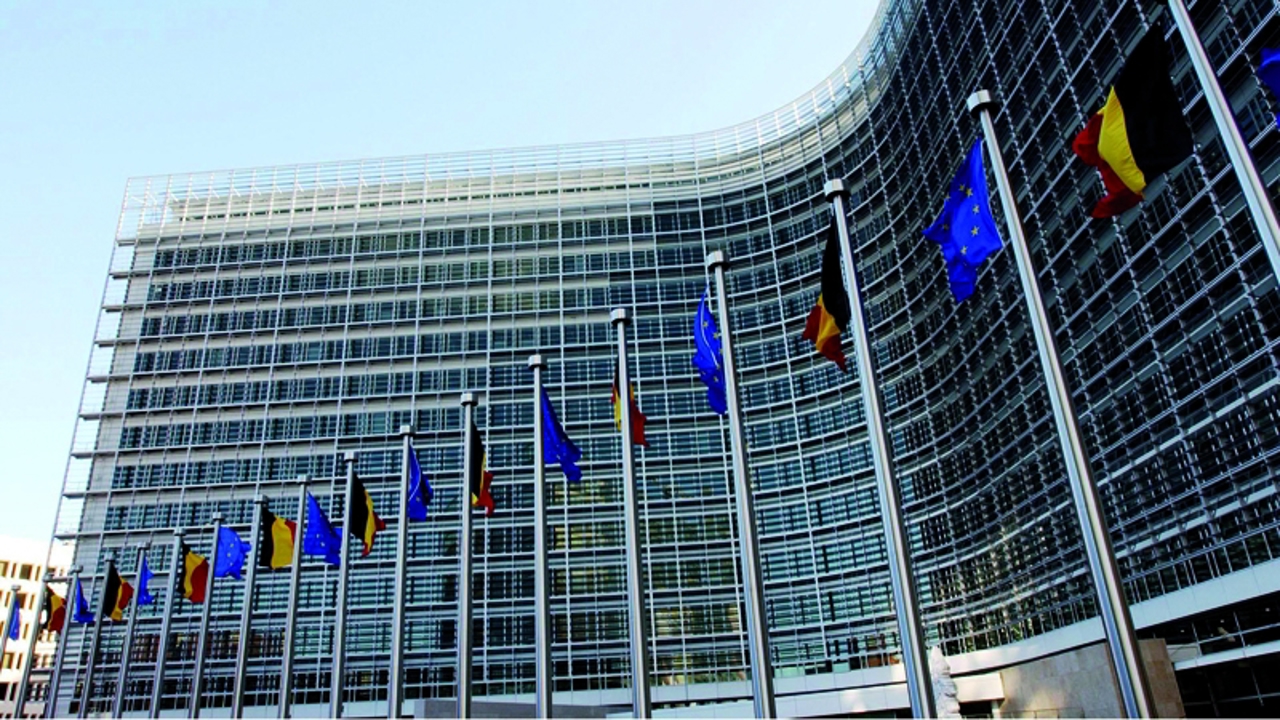
The European Commission has put forward proposals to harmonise anti-corruption criminal law provisions in the European Union, but also to add perpetrators of corruption anywhere in the world to the European sanctions "blacklist".
European diplomacy chief Josep Borrell told a press conference that the European Union is broadening its scope to fight corruption worldwide because it threatens international peace and security, can fuel organised crime, terrorism and other crimes.
Under the Commission's proposed legislative framework, people deemed to be involved in "serious corrupt activities", whatever their nationality, could have their assets frozen in the EU and be banned from staying in the EU. They would also be deprived of access to financial resources within the EU.
The mechanism targets passive or active corruption, the misappropriation of funds by a public official, in particular in countries considered uncooperative in tax matters or failing in the fight against money laundering and terrorist financing.
On 20 April, the European Parliament voted on a resolution to sanction Moldovan oligarchs Vladimir Plahotniuc and Ilan Șor on the grounds that they are trying to destabilise the Republic of Moldova jointly with Russia. And on 28 April the Council of the European Union adopted a new framework of targeted restrictive measures, which gives the European Union the possibility to impose sanctions against persons responsible for supporting or implementing actions that undermine or threaten the sovereignty and independence of the Republic of Moldova, as well as its democracy, rule of law, stability or security.