Moldova’s EU path: Reforms, challenges, and Russian threats
The Republic of Moldova is making significant progress and is set to begin EU accession negotiations under Poland’s EU presidency, which concludes in July.
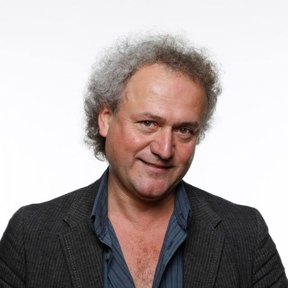
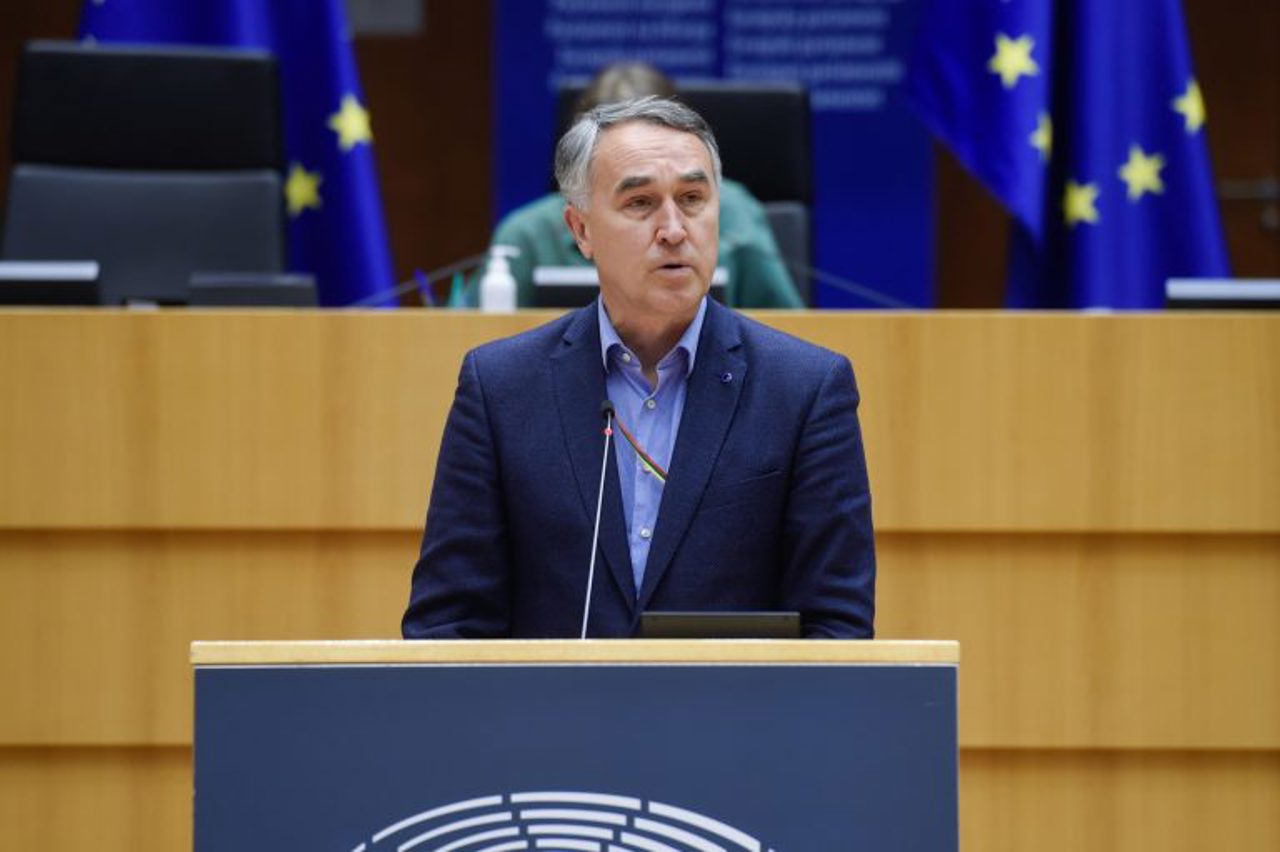
The initiation of negotiations is more crucial than the final accession date, which will be determined over time, said Lithuanian MEP Petras Auštrevičius in an interview with Teleradio-Moldova’s Brussels correspondent, Dan Alexe.
The European Union's enlargement process will differ from previous rounds of expansion. Currently, ten countries are in contention, and transition periods will likely be longer. "The process might begin in 2030 and could take two, three, or even four years before they finally join. The transformation of these countries, their reforms, and their integration into the EU is like a freshwater source in the desert—an oasis. But it’s better to dive in, to witness history firsthand, and to experience it. Once Moldova enters this clean European lake, it will undergo significant change. That is why it’s best to start as soon as possible. The final accession date will be decided by time itself," the MEP explained.
Petras Auštrevičius further stated that, after Ukraine, the Republic of Moldova is Russia’s primary target, prompting the European Union to reinforce its support.
"We are firmly committed to supporting our partners, particularly when third-party states and external forces—let’s be direct, we mean Russia, a major threat, an absolute menace—attempt to impose their own system and laws in Moldova. Our response is to assist our partner, Moldova, with substantial financial support—an amount which, by my estimates, accounts for nearly a third of Moldova’s budget," he stated, referring to the €1.9 billion financial package allocated through the EU’s Reform and Growth Mechanism for Moldova.
"It is a significant sum, but I hope—and we all hope—that this money will be used for the benefit of the Moldovan people, helping them withstand external pressures while advancing internal reforms," the MEP added.
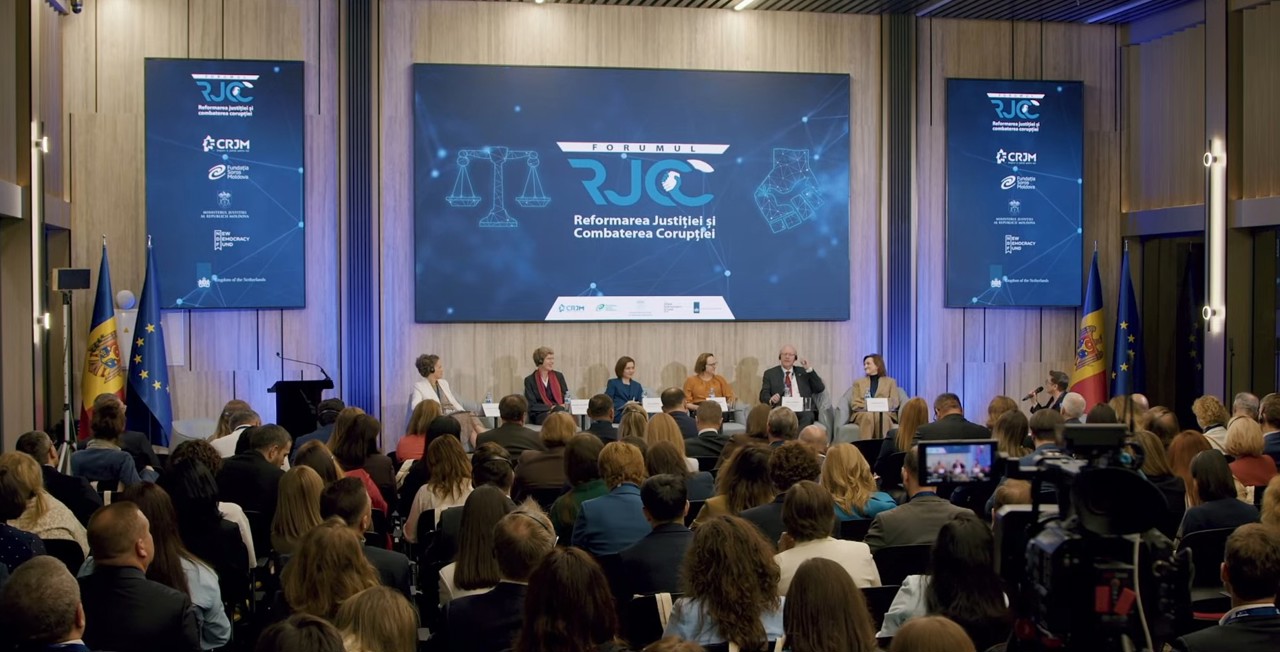
Petras Auštrevičius praised the efforts of Moldovan authorities, particularly in judicial reform and anti-corruption measures. "At the highest levels, Moldova has made remarkable progress, even eliminating key figures involved in systemic corruption. Let’s be honest—corruption in Moldova was deeply rooted and long-standing. The country was divided into economic sectors and spheres of influence, where everything operated smoothly behind the scenes, and the major players were quite content. The cleanup process has been slow, and it will take time. But this is not just Moldova’s problem," he noted.
Additional key statements include:
- "We want to see Moldova as a strong state. My message to the leadership, the people, and the government of Moldova is clear: strengthening state institutions must be the number one priority."
- "Russia is an aggressive state with an imperialist mindset that does not respect borders. We are ready. We are preparing, increasing our deterrence capabilities."
- "Are you Russophobic?" "No, I am a Europhile."
- "For us, Daina (equivalent to Doina in Romania) refers to all types of songs, including pop and folk music. So, I’m sure we will sing many joyful songs together."
Translation by Iurie Tataru