Any major economic instability in Romania could affect the Republic of Moldova
Experts warn that the recent turbulence in Romania's financial market could directly impact the Republic of Moldova's economy. The stock exchange responds swiftly to any political or economic changes, and if the current instability persists, its effects will be felt in both the medium and long term.
Economic expert Mihaela Sirițanu highlighted several risks that could impact companies and individuals in the current financial climate. One of the main concerns is the rising cost of capital, which leads to more expensive loans and difficulties in repaying debts. She noted that the decline in asset values on the stock market directly affects private pensions and citizens' savings, potentially resulting in significant losses. Furthermore, there is a long-term risk of a possible recession.
Another significant concern is the depreciation of the national currency, a pattern already observed in other economies, such as the United States, due to uncertainties regarding trade policies. If instability continues and the stock market keeps declining, this could result in a lack of long-term investments, decreased public budget revenues, and even recession. This situation is particularly worrying given Romania’s already large budget deficit and the recent adoption of fiscal austerity measures. Thus, a downturn in the stock market only exacerbates existing economic instability.
Any major economic instability in Romania will also affect the Republic of Moldova, as Bucharest is Chișinău’s primary trading partner. Sirițanu emphasized that Romania ranks amongst Moldova's top trade partners for both exports and imports, so any economic disruptions in Romania will inevitably impact Moldovan businesses.
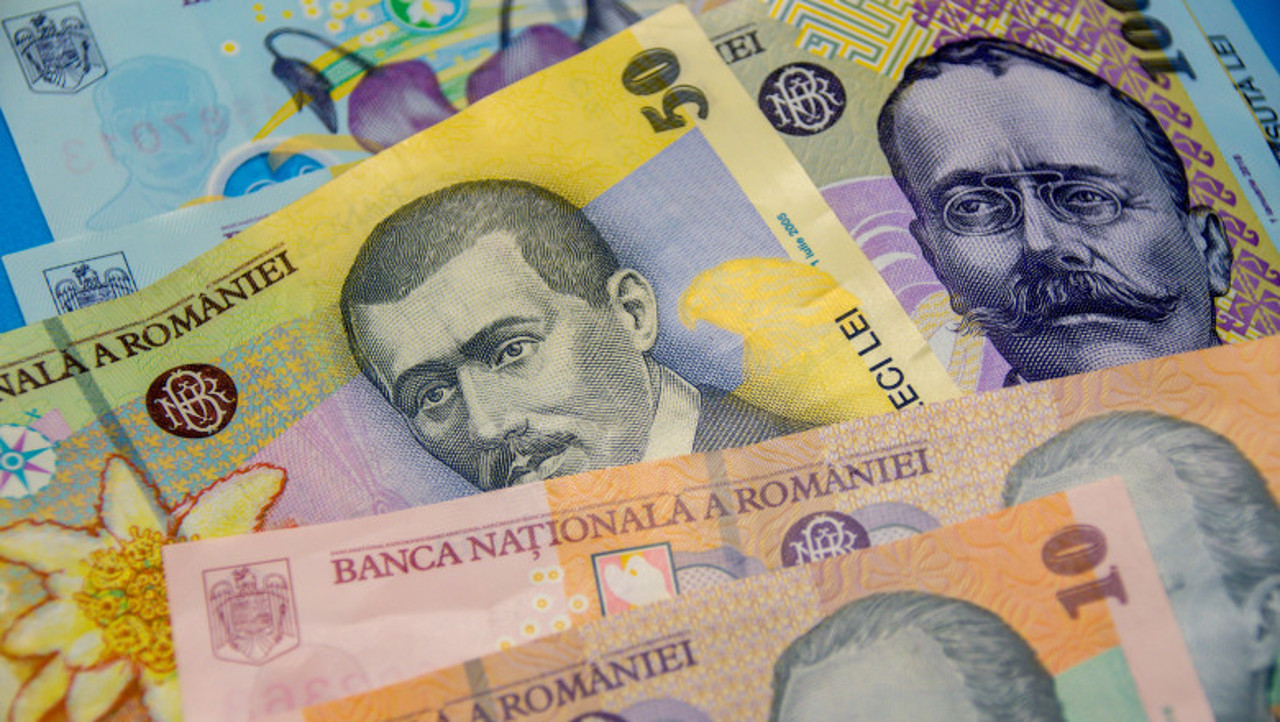
On a related note, the depreciation of the Romanian leu may benefit Romanian economic agents by stimulating exports and reducing the appeal of imports. However, this situation could negatively affect Moldova's exports to Romania. Economic expert Veaceslav Ioniță commented that there is currently no immediate cause for concern, as the recent depreciation has been minimal.
Ioniță explained that if there had been a sudden and significant depreciation, such as a 20-25% drop similar to what happened in Ukraine, the consequences would have been severe. In this case, though, we are only seeing a depreciation of a few percent, which is more psychological in nature, particularly around the symbolic threshold of 5 lei to the euro.
On May 6, the Romanian leu experienced a significant drop against the euro, with the National Bank of Romania reporting that the euro had crossed the 5 lei mark for the first time in history. This situation affects individuals with loans in foreign currency, as well as those looking to buy homes or pay rents calculated in euros. Political uncertainty is also a concern for those repaying loans in lei. The Romanian media has warned that severe economic risks could emerge depending on the outcome of the second round of presidential elections scheduled for May 18.