Major investments support greening and land restoration in southern Moldova
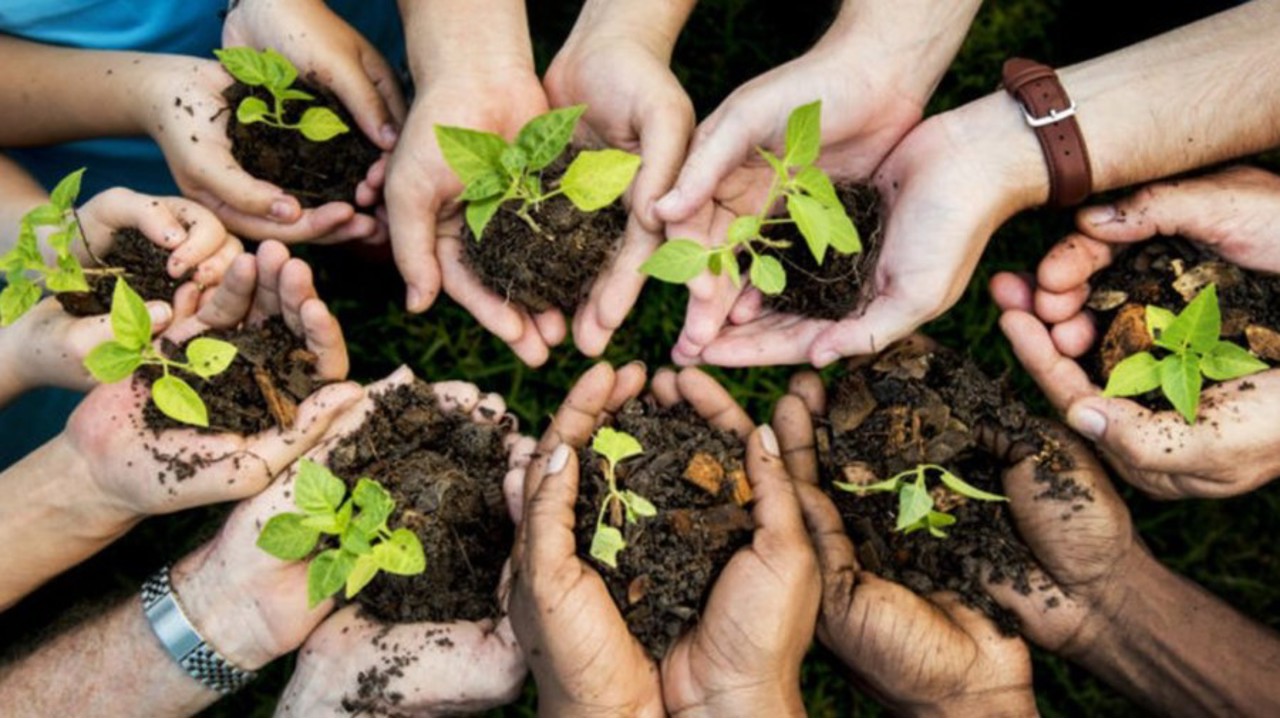
By the end of 2029, the southern region of the Republic of Moldova will receive significant investments aimed at greening and restoring degraded and eroded lands. Additionally, the project will support the involvement of women in agricultural businesses by introducing and testing new species of fruit trees and shrubs that are suited to the specific climatic conditions of the area. These statements were made by Pavel Gavrilița, the manager of the project "Advancing Climate Resilience and Women’s Empowerment in Moldova" during the "Zi de zi" show on Radio Moldova. The project will be implemented over the next four years by the United Nations Development Programme Moldova and UN Women, in collaboration with local authorities.
In the southern part of the republic, we face degraded lands, particularly the Bugeac steppe, along with significant moisture losses. Restoring forests is crucial. By implementing silvopastoral management, we can restore the natural water cycle, which will reactivate springs and provide more opportunities for economic activities. This initiative will contribute to increased resilience and higher income for the rural population," explained Pavel Gavrilița.
The two organizations, UNDP Moldova and UN Women, will assist local authorities in the south of the country in developing forest management plans essential for ecosystem restoration. To ensure the availability of planting materials, the project plans to establish a nursery where 200,000 seedlings will be grown annually, and city halls will be equipped with the necessary tools for forest management, Gavrilița added.
"It is vital to avoid isolated interventions, as all eroded and degraded lands must be restored. In this regard, we will collaborate with each local authority on an individual basis. Forest management plans will be developed, specifying which species will be planted and outlining the planting scheme. Afterward, these areas will be afforested. Additionally, this project will include the establishment of a nursery with a production capacity of at least 200,000 seedlings per year to ensure we have enough to meet the project's objectives," emphasized Gavrilița.
The total budget for the project is $4.5 million. According to authorities, the afforestation rate in the southeastern region of the Republic of Moldova is the lowest in the country, approximately 11 percent, which is significantly lower than the European average of over 37 percent.