Sugar imports from Serbia restricted in the Republic of Moldova
Sugar prices will not increase, despite restrictions on the import of cheap production from Serbia. The assurances were given by the Government, which approved a project on Wednesday, October 8, that limits sugar imports from Serbia to no more than 1,000 tons.
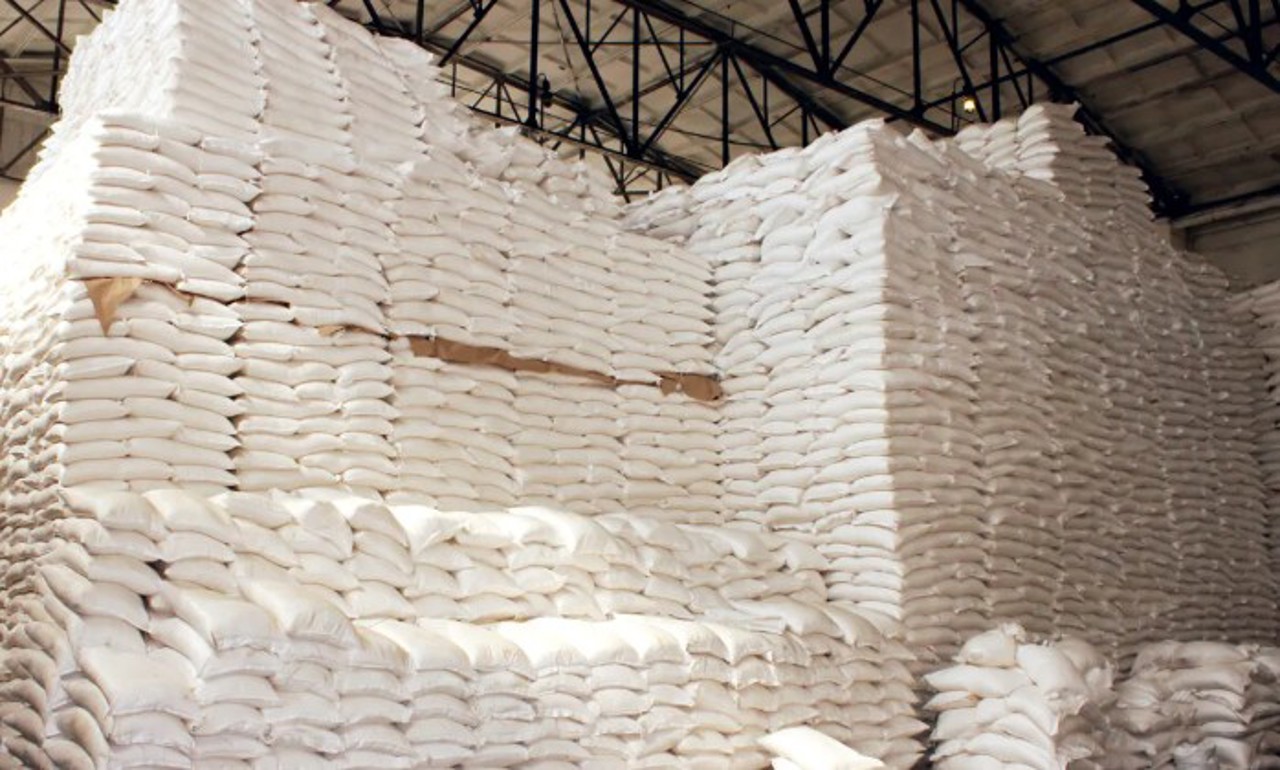
There are now 78,000 tons of sugar in stock, which is enough to cover domestic consumption for 2025 and 2026. Deputy Prime Minister and Minister of Economic Development and Digitalization, Doina Nistor, warned that failure to implement protective measures could lead to the replacement of domestic production with imported sugar and jeopardize the value chain built over the last two decades, as well as the investments made in the sector.
"Regarding imports from Serbia, in 2024 and 2025 they exceeded 14,000 tons, according to the CEFTA agreement, which provides for a liberalized trade regime. However, sugar from Serbia is sold below the production price, being subsidized and benefiting from cheaper energy resources. For this reason, we are temporarily restricting, for a period of 200 days, sugar imports from Serbia, until additional policies are developed to balance and protect the domestic market," said Doina Nistor.
The representative of one of the largest producing companies, Nicolae Ciubuc, told Radio Moldova that this is about returning to the general taxation conditions, applicable to other states.
According to Ciubuc, the situation has become paradoxical: the Republic of Moldova has a ceiling of approximately 15 thousand tons of sugar imported from the European Union, but from Serbia it could be imported unlimitedly and without taxes, which means an injustice towards domestic producers.
The producer claims that the local sugar industry faces unequal competition conditions, as Serbia benefits from cheap gas from Russia and state subsidies, advantages that Moldovan factories do not have.
“I recall that since 2006, we have had a free trade agreement with CEFTA countries, including Serbia, and sugar is one of the products that benefits from a preferential regime, meaning it could be imported duty-free and without a quantity limit. We welcome this decision of the Government,” Ciubuc told Radio Moldova.
The Ministry of Economic Development and Digitalization came up with this measure to correct the imbalance that appeared in 2025 on the sugar market, caused by imports at prices lower than domestic costs. The imbalance appeared after the severe drought in 2024, which affected over 60% of sugar beet crops, forcing the Republic of Moldova to import larger volumes for domestic consumption.
At the same time, the Government approved an amendment that allows producers of sweets, pastries and ice cream to import the necessary sugar, depending on needs directly.