STAR, Tupras ramp up Iraq, Kazakhstan oil imports over Russian supply
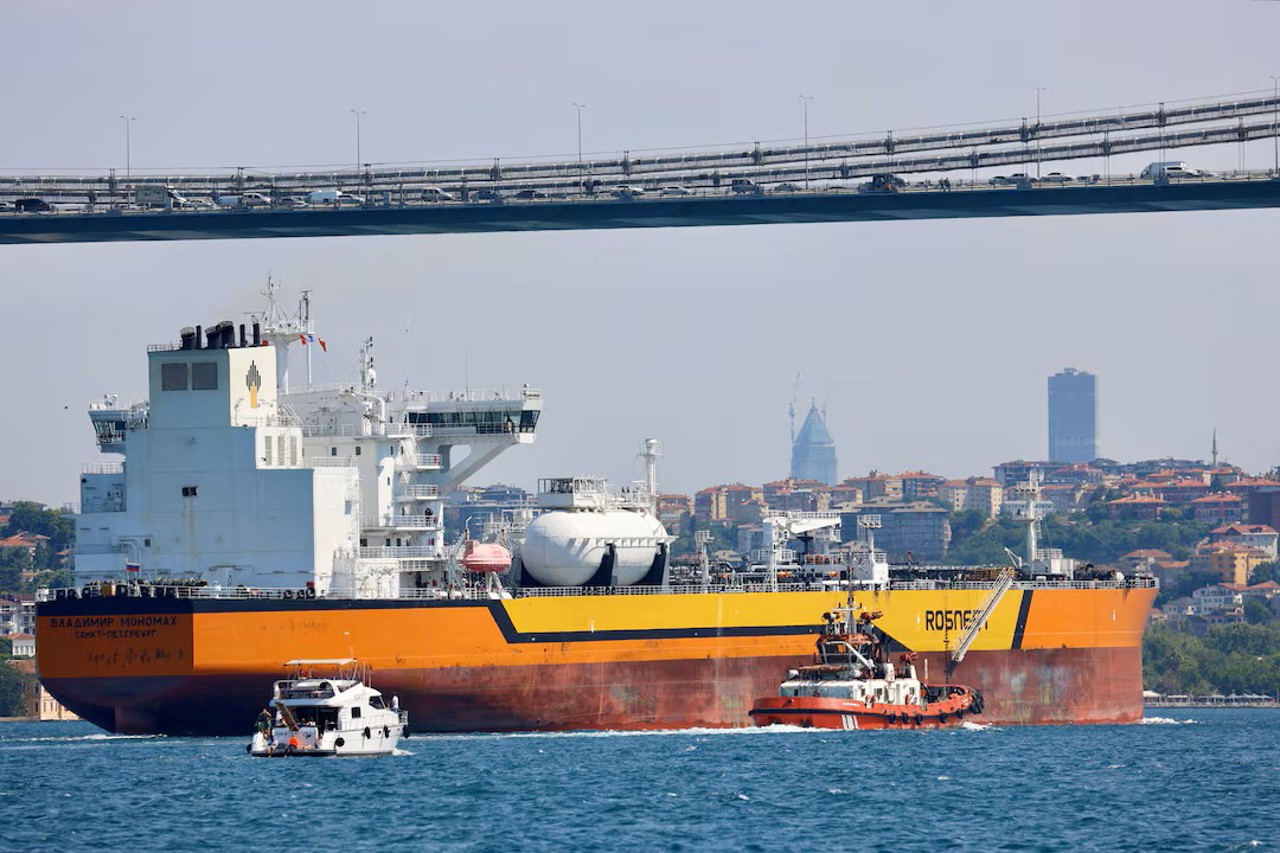
Turkey's largest oil refineries are ramping up purchases of crude oil imported from other countries, reacting to the new Western sanctions against Moscow.
This shift was confirmed by two sources familiar with the situation and several industry sources who spoke to Reuters.
Turkey, alongside China and India, has been one of the most important buyers of Russian crude oil imports. Now, however, Turkish oil refineries are following the model of those in India, a clear sign of the effect that pressures from the US, the European Union, and the United Kingdom are having on Russian exports, as Western pressure aims to curb exports that finance the war in Ukraine.
The STAR Refinery (SOCAR Turkey Aegean Refinery), one of Turkey’s largest and controlled by Azerbaijan's SOCAR, recently acquired four shipments of non-Russian oil from Iraq, Kazakhstan, and other states, with delivery scheduled for December, according to the sources.
These acquisitions represent a significant commitment of between 77,000 and 129,000 barrels per day (bpd) of crude oil diversification, depending on the shipment size. This move signals a deliberate reduction in the refinery's dependence on Russian oil.
In September and October, STAR was processing almost exclusively Russian crude—about 210,000 bpd, according to Kpler data. Two sources specified that one of the recent shipments contains KEBCO crude from Kazakhstan—the Kazakh equivalent of the Urals-like crude grade. STAR had imported only one KEBCO shipment all this year and none in 2024.
Tupras, another major refinery, is also increasing its purchases of non-Russian crude oil with specifications similar to Urals, including Iraqi oil, according to two industry sources, who did not provide further details.
According to two other sources, Tupras may completely stop Russian oil imports at one of its refineries. This strategic move is likely intended to maintain its fuel exports to Europe in the context of upcoming EU sanctions. Its other refinery, however, is expected to continue processing Russian oil.
SOCAR refused to comment, and Tupras did not respond to Reuters' requests. Tupras has already demonstrated its commitment to crude oil diversification in 2024, purchasing its first shipment of Brazilian crude and awaiting a second shipment from Angola, the Mostarda grade, with delivery in early November.
Turkey is set to receive 141,000 bpd of Iraqi crude oil in November, up from 99,000 bpd in October and an average of about 80,000 bpd this year, per Kpler. Data for December is not yet available.
Between January and October, Turkey imported approximately 669,000 bpd of oil in total, of which 317,000 bpd—or 47%—came from Russia. In the same period of 2023, total imports were 580,000 bpd, with 333,000 bpd originating from Russia.
Translation by Iurie Tataru