US oil sanctions throw EU into chaos as Romania refinery faces November 21 deadline
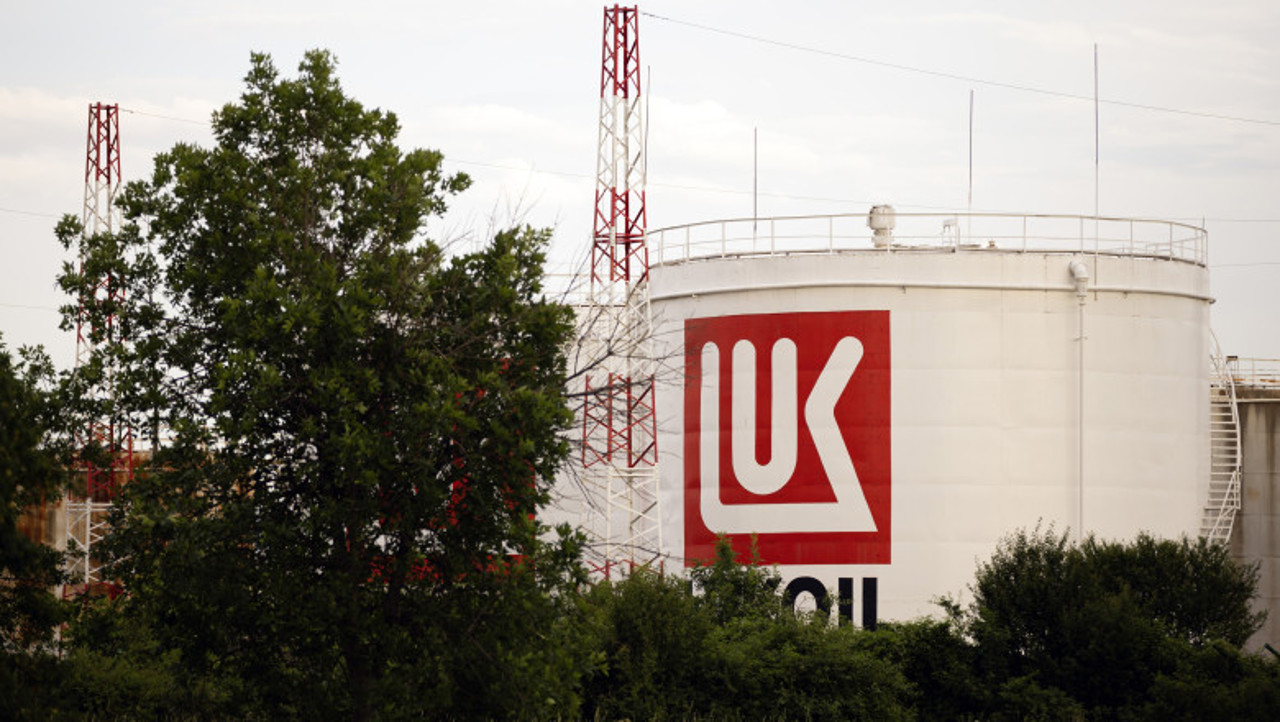
The looming US sanctions against Lukoil and Rosneft have thrown European Union nations—where the two Russian oil giants operate—into chaos. Countries are scrambling to secure fuel supply before the Lukoil sanctions take full effect on November 21.
Romania and Bulgaria are in a race against time to prevent the shutdown of their critical oil refineries, owned by Lukoil, before US sanctions become binding this month. The petrol supply chain for the Republic of Moldova could also be severely impacted, according to Politico.
Technically, securing waivers or appointing a state-backed administrator for the refineries should be manageable. However, the immediate risk is stark: For Bulgaria, where the Russian-owned facility supplies up to 80% of the nation's fuel, Sofia risks running out of supply "by the end of the year," stated Martin Vladimirov, senior analyst at the Center for the Study of Democracy think tank, highlighting critical energy security concerns.
In response, Bulgarian parliamentarians approved a new bill on Friday. This legislation empowers the government to appoint an administrator for the Lukoil-owned Burgas refinery, granting extensive authority to take operational control, approve a sale, or even nationalize the facility if required. Bulgaria is simultaneously exploring the possibility of requesting a sanctions exemption.
In contrast, the Romania refinery (Lukoil's Petrotel) supplies about 20% of the national fuel needs, noted Ana Otilia Nuțu, an energy analyst at the Expert Forum think tank. A forced closure would mean "a few months" of moderate price hikes as the country urgently seeks alternative imports.
Romania has not yet made an official decision. Nevertheless, Bucharest is weighing a request for an "extension of the sanctions application term" while formulating its strategy, a high-ranking government official who requested anonymity told Politico. Nationalization remains the "last option." However, Romania's Minister of Energy, Bogdan Ivan, assured Politico that Bucharest is operationally "ready" for any scenario. The plan aims to maintain "economic activity in Romania while simultaneously ceasing financing for the Russian Federation."
The shutdown poses a direct threat to exports to the Republic of Moldova, Nuțu added. If Moldova faces severe disruption, "it will present another huge PR opportunity for Russia," she stressed.
A former Lukoil executive noted that both refineries are "well managed." Yet, analysts caution that finding a buyer willing to assume the legal risks of the US/UK restrictions, coupled with costly transportation, high insurance premiums, and continuous modernization investments, will be "difficult," according to Politico, cited by Digi24.
The Chișinău Government is prepared to take over the sole kerosene refueling depot at the "Eugen Doga" International Airport - Chișinău. This move follows Lukoil's mandated activity cessation from November 21 due to Western sanctions. Minister of Energy, Dorin Junghietu, confirmed that authorities have offered to purchase the infrastructure to guarantee flight continuity and jet fuel market supply.
Lukoil currently operates about 110 fueling stations across Moldova and manages vital storage and distribution assets, including the aircraft refueling facilities at Chișinău International Airport. The subsidiary, Lukoil-Moldova, supplies 100% of the airport's current kerosene needs through its dedicated fuel tanks.
The sanctions imposed by the United States and the United Kingdom against Lukoil group entities take effect on November 21, 2025, as part of the Western response to the war in Ukraine and Russia's refusal to engage in peace negotiations.
The Civil Aviation Authority and the airport have been officially notified, warning of potential risks to supply continuity that could impact the flight schedule.
Translation by Iurie Tataru