Crisis of veterinarians in Moldovan villages: hundreds of vacancies, ANSA
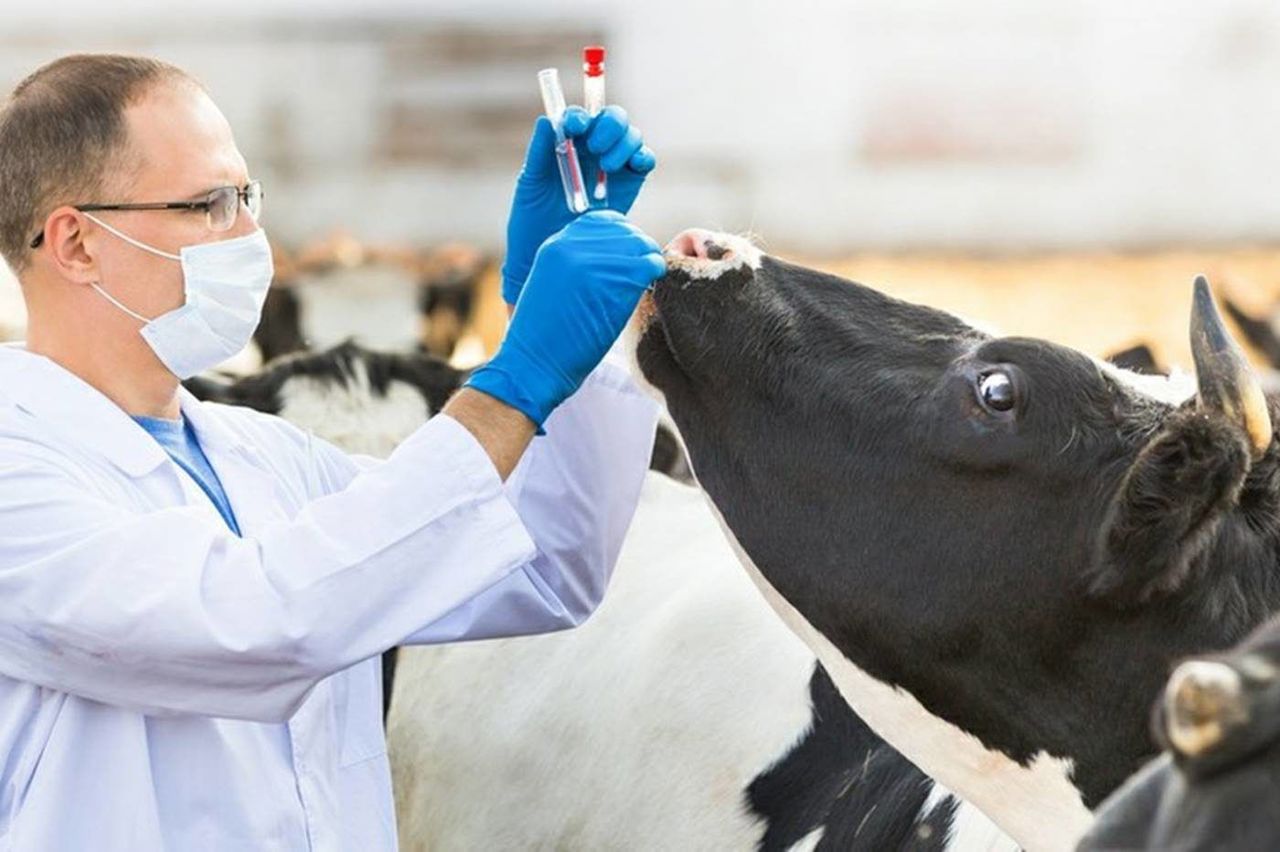
The number of active veterinarians in the Republic of Moldova is declining, despite the authorities' efforts to make the profession more appealing, including through financial incentives. However, young professionals are increasingly reluctant to work in rural areas. Experts warn that this shortage could have serious consequences for animal health and food security.
According to officials from the National Food Safety Agency (ANSA), there are currently nearly 400 vacant veterinary positions nationwide. While veterinary clinics in urban areas are adequately staffed, those in rural areas are much worse off. The lack of opportunities in these regions leads many young specialists to avoid working there, emphasized Alexandru Manciu, the deputy director of ANSA for veterinary medicine.
"Young specialists or veterinarians graduating from college are reluctant to go to rural areas. This reluctance is primarily due to the lack of amenities cities offer, such as proper roads, infrastructure, and facilities that support children's training and education", said Manciu.
He also pointed out that this issue is not unique to the Republic of Moldova, stating, "The return of veterinarians to rural areas is very complicated, not only in our country but also in others."
The shortage of veterinary specialists can have serious consequences for public health, according to Manciu. He warned, "The lack of veterinary resources can negatively impact animal health, environmental protection, and food safety."
Additionally, he highlighted the importance of regulating the use of medications in animal husbandry. "We need to discuss the rational use of medicines, especially the prudent use of antibiotics, which can lead to antimicrobial resistance—an issue with significant consequences," he said.
Until recently, there were limited facilities for young veterinarians, but in the last few years, certain measures have been implemented to attract them. Authorities are hopeful that these changes will ultimately help reduce the shortage of veterinary staff in rural areas.
Author: Alina Chiperi