Venice Commission delegation in Chisinau for talks on prosecutor’s office reform and strengthening anti-corruption efforts
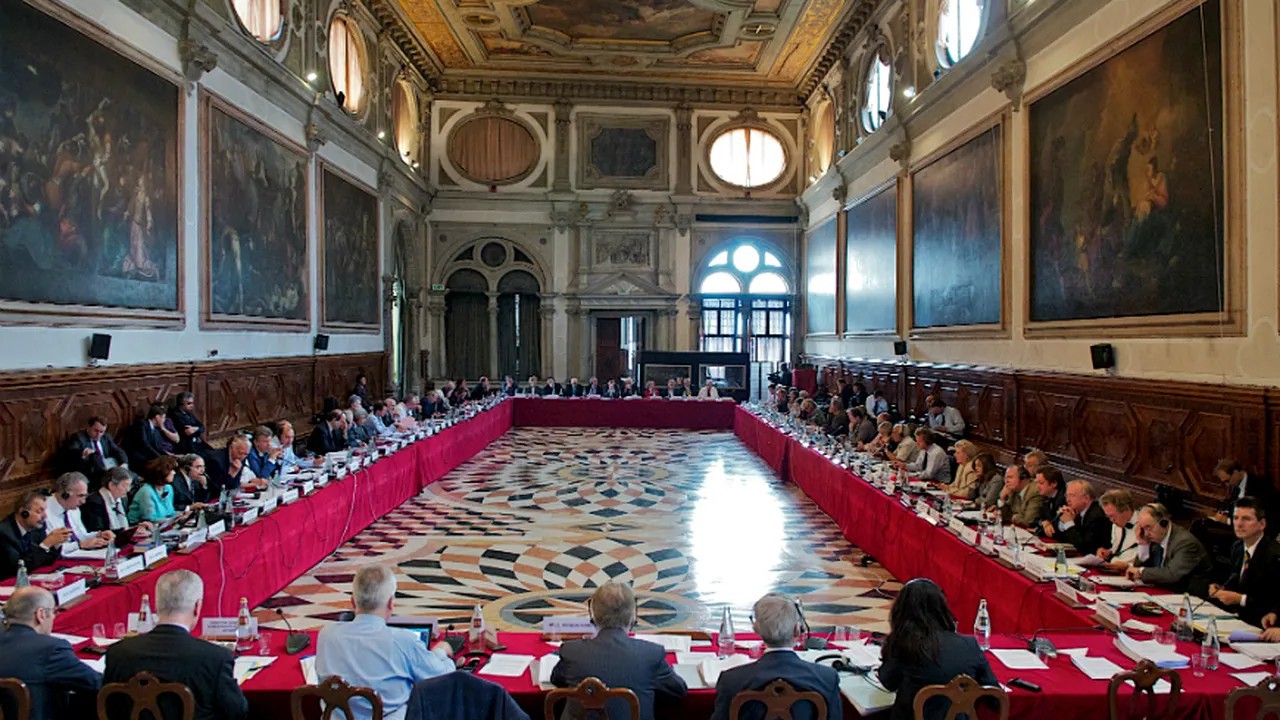
A delegation from the Venice Commission will be visiting the Republic of Moldova on November 10-11. This visit is part of the process to develop a joint opinion between the Venice Commission and the Directorate General for Human Rights and the Rule of Law of the Council of Europe regarding the initiative to establish the Anti-Corruption and Organized Crime Prosecutor's Office (PACCO).
The delegation includes Renata Deskoska, a member of the Venice Commission; Philip Dimitrov, a former member of the Commission; and Filipe César Vilarinho Marques, an expert from the Council of Europe's Directorate General for Human Rights and the Rule of Law, according to a statement from the Parliament.
During their visit, the rapporteurs will meet with members of the Legal Committee and the Appointments and Immunities Committee, as well as representatives from all parliamentary factions, including both the majority and the opposition.
Their agenda will also involve discussions with representatives of the judiciary, including the Superior Council of Magistracy and the Supreme Court of Justice, as well as officials from the Prosecutor's Office—specifically, the Prosecutor General's Office, the Anti-Corruption Prosecutor's Office, the Prosecutor's Office for Combating Organized Crime and Special Cases, and the Superior Council of Prosecutors.
Additionally, the rapporteurs will meet with representatives from the Ministry of Justice, the Ministry of Internal Affairs, and members of the Cabinet of the President of the Republic of Moldova, Maia Sandu. The visit will also include discussions with civil society organizations, professional associations, and international partners.
We remind you that the draft law concerning the Anti-Corruption Prosecutor's Office and the Fight against Organized Crime was approved in its first reading by the 11th legislature of the Parliament. This initiative aims to unify the existing competencies of the PCCOCS and the Anti-Corruption Prosecutor's Office into a consolidated specialized structure, intended to streamline efforts in the fight against corruption and organized crime.