Marcel Spatari: “European integration is our generation’s project”
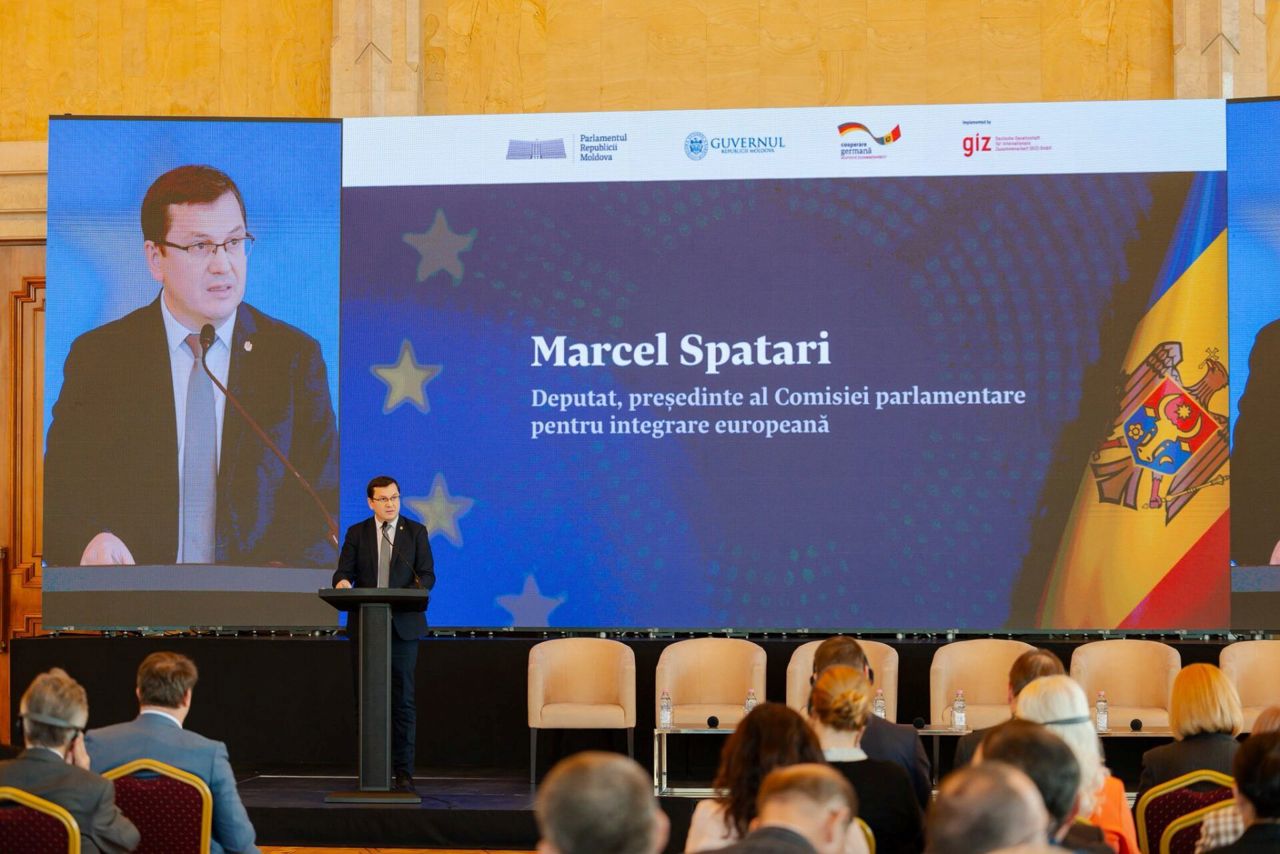
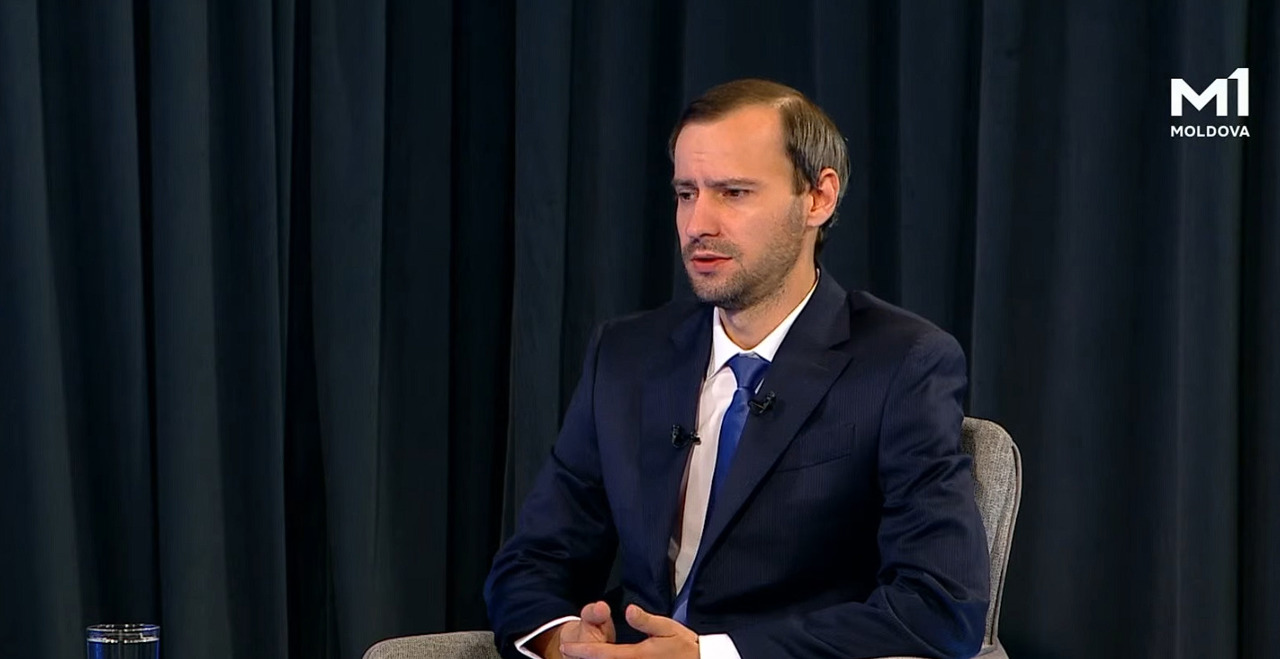
The Republic of Moldova is entering an accelerated phase of its accession to the European Union. Deputy Marcel Spatari, chairman of the newly established Parliamentary Commission for European Integration— a structure created for the first time in the country's history—states that Moldova faces critical years ahead. "We are in a race against time," Spatari remarked during an interview on the "We and Europe" show on Radio Moldova, emphasizing the urgency to align legislation and institutions with European standards.
The Commission, consisting of 11 members from the new Parliament, is tasked with coordinating the legislative harmonization process and ensuring that the necessary reforms for accession do not remain merely "texts on paper." According to Spatari, the timing is favourable, as the European Union is preparing for a new wave of enlargement.
"A window of opportunity has opened for the Republic of Moldova. The EU is supportive of a new enlargement and has expedited the processes. The speed at which we advance depends on how effectively we implement European legislation and directives. We are in a race against time and must be prepared by 2028."
He points out that accession involves not only the political support of member states but also the Republic of Moldova’s ability to demonstrate that it has functional institutions, efficient mechanisms, and standards compatible with European norms.
In terms of the accession negotiations, the MP highlights that the country is ready to open at least three chapters: "The European Commission has confirmed that we are prepared. Now, the decision rests with the 27 member states. We hope it will happen soon."
Laws, implementation, and their effects on citizens
Marcel Spatari emphasizes that while the role of Parliament is crucial, simply adopting laws is not sufficient.
"We need institutions for implementation, adequate resources, control mechanisms, and societal consensus. European standards may be costly in the short term, but they elevate our level of civilization and enhance our access to the European market," the official highlighted.
Spatari acknowledges that some areas are not yet prepared for the strictest standards; however, this will be addressed during negotiations, with proposed transition periods of 5 to 10 years depending on the country's capabilities and the Union's flexibility.
"We cannot afford inefficient collaboration"
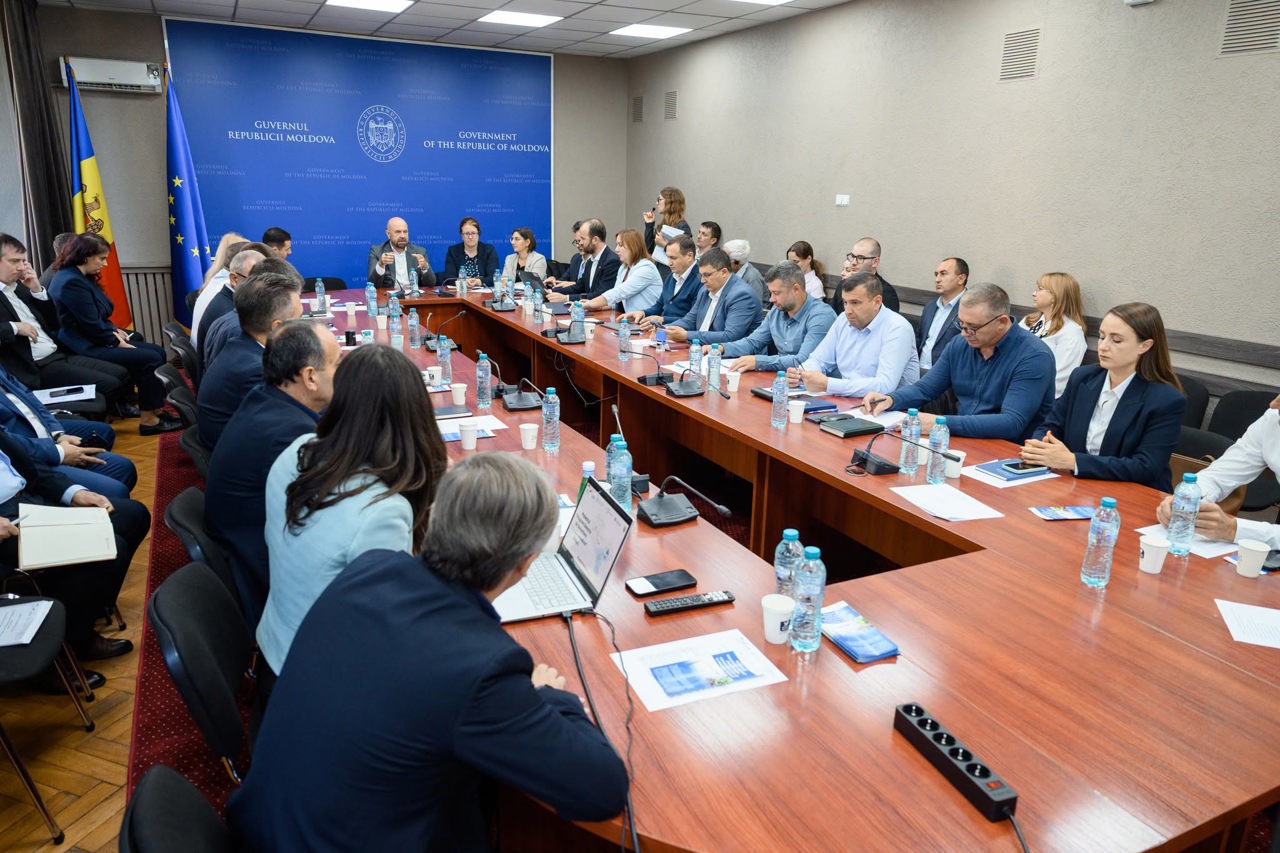
Deputy Prime Minister for European Integration Cristina Gherasimov emphasizes that time is limited and that all institutions must work in unison. "We cannot afford the luxury of inefficient collaboration between the Government and Parliament," she stated.
She reminds us that the Republic of Moldova already has a national roadmap—the National Program for Accession to the EU—which outlines the necessary reforms to be adopted over the next five years. The parliamentary committee is responsible for ensuring that the transposition of European legislation is carried out "with the necessary speed and quality."
Appeal to society:
The Chairman of the Parliamentary Committee for European Integration has made a public appeal for the formation of the Committee's Expert Council. He invites professionals from various sectors—including teachers, mayors, economists, lawyers, and students—to contribute to accelerating the reforms needed for accession. Those interested are encouraged to submit their CVs along with a brief description of their experience in the realm of public policies.