‘Electrophysiology saves hearts’, cardiologist
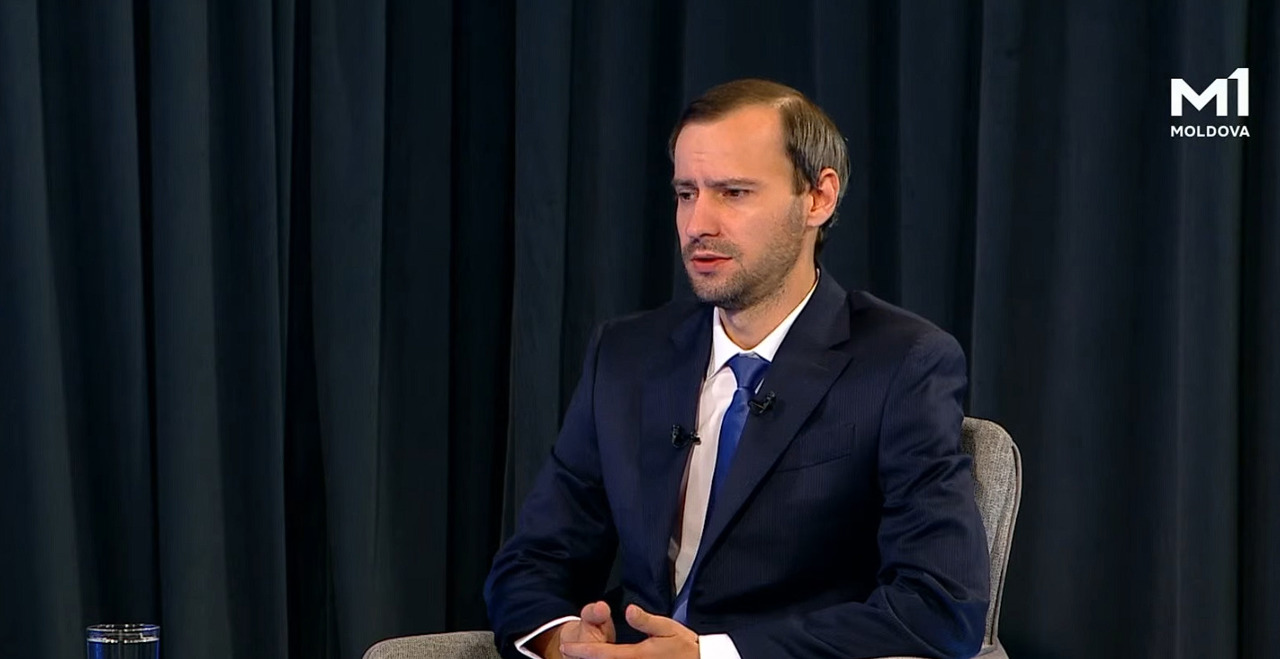
Heart disease continues to be one of the biggest threats to global health. Fortunately, with advancements in technology, more patients now have the opportunity to lead normal, healthy lives. In a recent Radio Moldova's "Health for All" show, cardiologist and electrophysiologist Ion Stepan discussed how modern interventions in heart pharmacology and electrophysiology procedures provide concrete solutions for individuals with arrhythmias. These interventions help prevent serious complications and reduce the risk of sudden death.
Dr Stepan emphasizes the importance of prevention: "Most diseases, including hypertension, arrhythmias, dyslipidemias, and acute myocardial infarction, can be prevented and diagnosed early if people are aware of the risk factors and warning signs." He believes that providing accurate information about these conditions and their treatment options can help reduce fear of medical interventions and improve adherence to treatment plans.
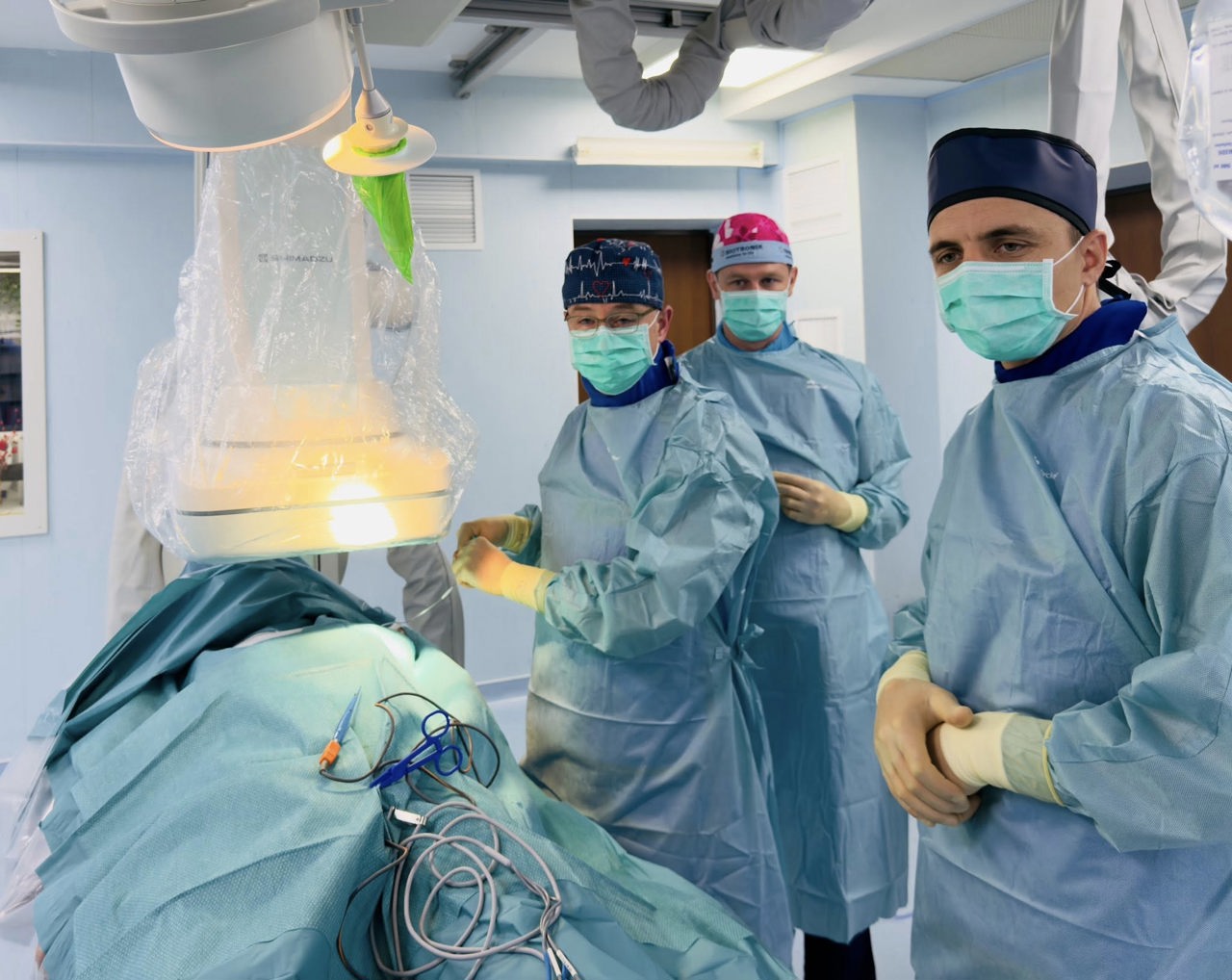
Cardiac electrophysiology consists of two main components: the electrical study of the heart and minimally invasive interventional procedures, which include ablations and the implantation of cardiac devices such as pacemakers, defibrillators, and resynchronization devices.
"Electrophysiology plays a crucial role in preventing dangerous ventricular arrhythmias and aids in the early diagnosis of atrial fibrillation. This early diagnosis helps reduce the risk of thromboembolic events and sudden death," says the doctor.
Interventional cardiology, a branch of modern heart medicine, addresses coronary and peripheral artery diseases, stenoses, and other vascular conditions. In contrast, electrophysiology specifically focuses on heart rhythm issues, where many conditions can be corrected before they become life-threatening.
Patients and their families are encouraged to consult a cardiologist if they experience symptoms such as palpitations, irregular heartbeats, dizziness, or unexplained fatigue. Early diagnosis and appropriate treatment can significantly impact the quality of life and reduce the risk of serious complications.
Doctors recommend raising awareness about risk factors such as high blood pressure, high cholesterol, diabetes, and a sedentary lifestyle, and advise consulting a cardiologist at the first signs of an irregular heartbeat. This proactive approach can lead to the successful treatment of arrhythmias that once resulted in severe consequences.
Globally, the statistics are alarming. According to the American College of Cardiology, in 2023, cardiovascular diseases caused approximately 19.2 million deaths worldwide, surpassing all other causes. In the Republic of Moldova, cardiological interventions, including electrophysiology, are key components of modern cardiovascular treatment, benefiting thousands of patients each year.