Canada-EU defense cooperation: Ottawa is first non-EU country to access the SAFE fund
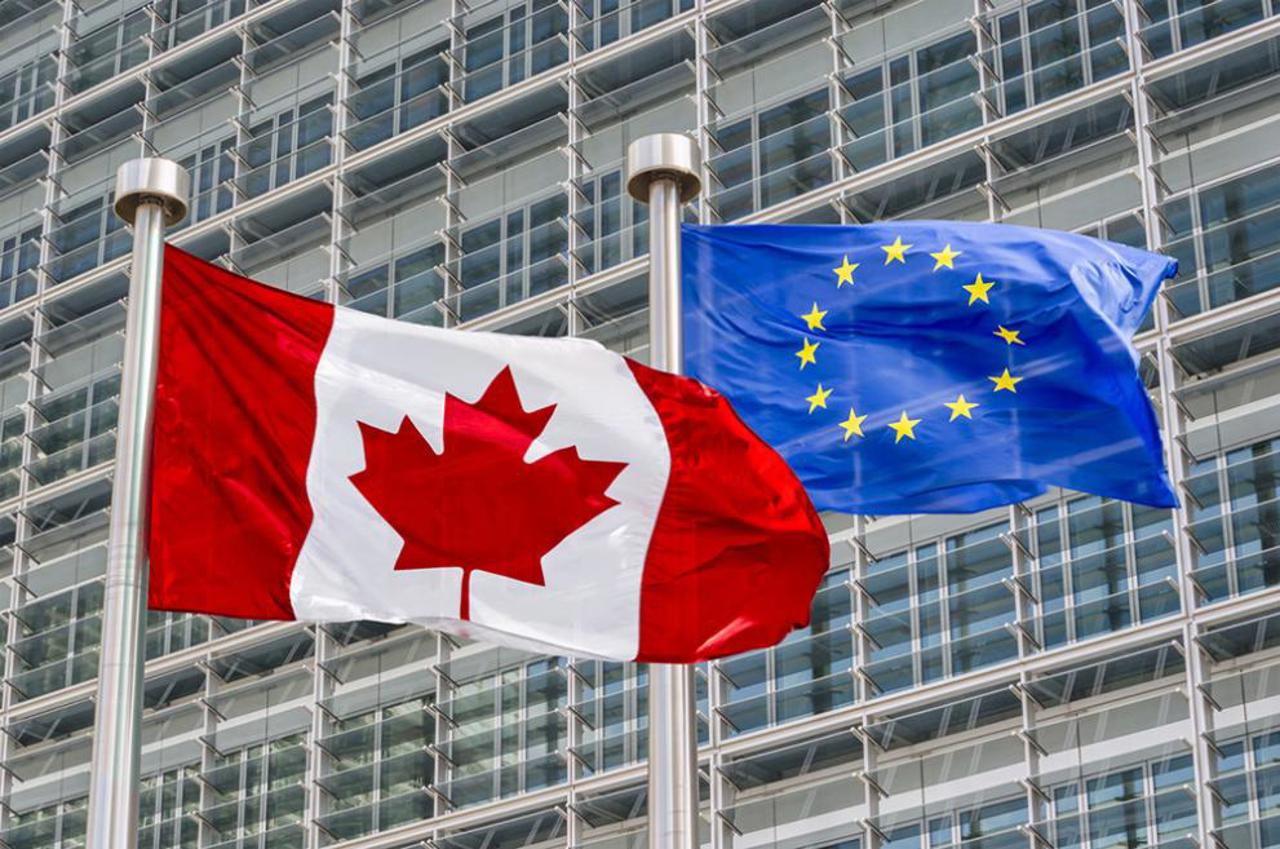
The European Union and Canada announced Monday, December 1, the official accession of the Ottawa government to the European defense program, Security Action for Europe (SAFE).
The SAFE initiative, launched in 2025, aims to consolidate the European defense industry and reduce military dependence on the United States, DW reports.
Canada's accession grants it full access to the SAFE fund, which is valued at 150 billion euros. This allows Canadian companies to secure preferential loans guaranteed by the EU for the purchase of military equipment and the development of common industrial capabilities.
In a joint statement, European Commission President Ursula von der Leyen and Canadian Prime Minister Mark Carney specified that this landmark Canada EU defense cooperation marks a major step in securing international supply chains in the defense sector.
“Together we will create resilient supply chains between our industries at a critical time for global security,” the two leaders said.
Canada becomes first non-EU SAFE partner
Canada thus becomes the first country outside the European Union to gain access to the SAFE fund. Prime Minister Mark Carney stated that the partnership with the EU is a strategic opportunity for the modernization of Canada’s defense industry.
“Canada's participation in SAFE will allow for the coverage of critical capability gaps, the expansion of markets for Canadian suppliers, and the attraction of European investments in our defense industry,” he added.
The United Kingdom also previously expressed interest in joining, but London rejected what it considered to be too high a level for the initial contribution.
What is the Security Action for Europe (SAFE) program?
The Security Action for Europe (SAFE) initiative was created in May 2025 as a direct response to growing threats from Russia and the need to strengthen European strategic autonomy. Its core objectives include:
The development of the European defense industry.
Strengthening the resilience of supply chains.
Reducing military dependence on the United States.
Supporting Ukraine in the context of the war with Russia.
Translation by Iurie Tataru