Mayor from Moldova volunteers to clear villagers’ gardens after work
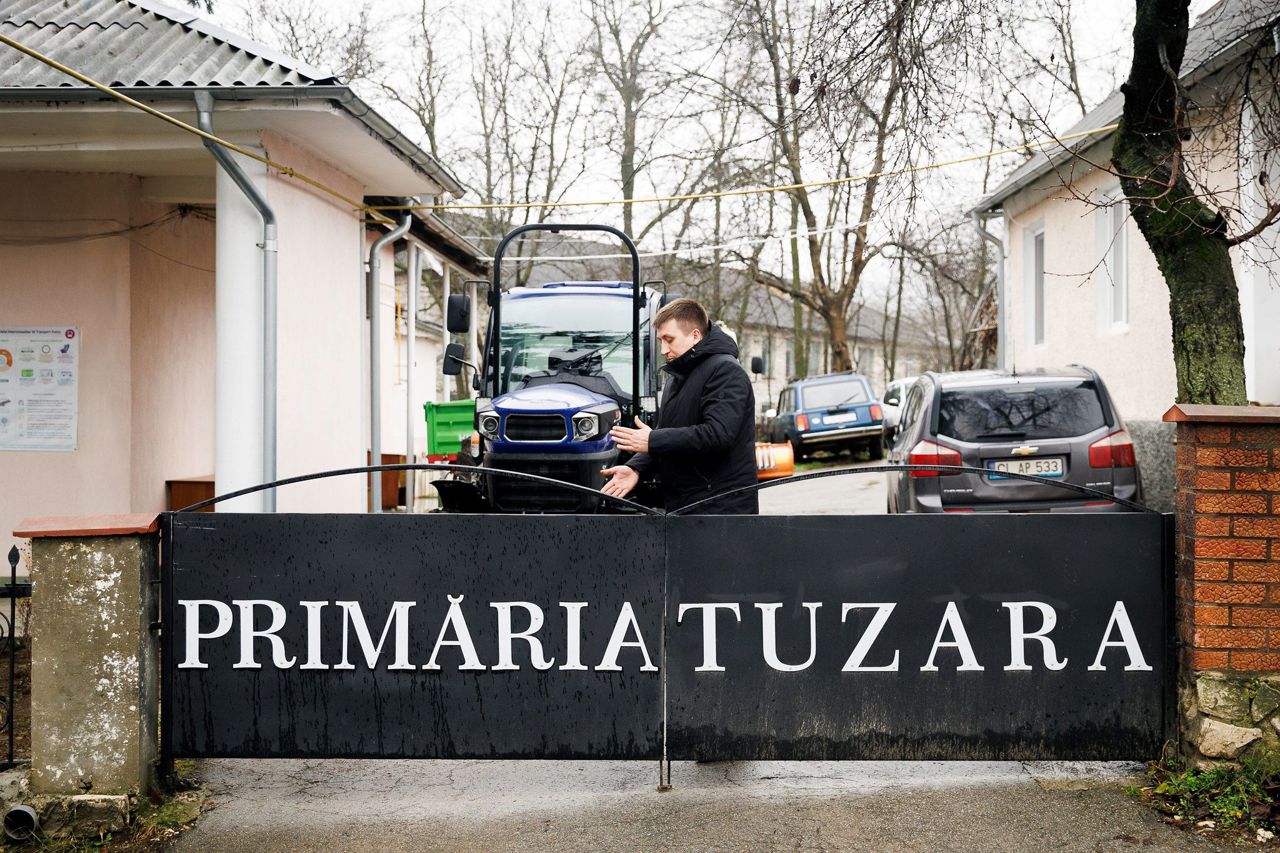
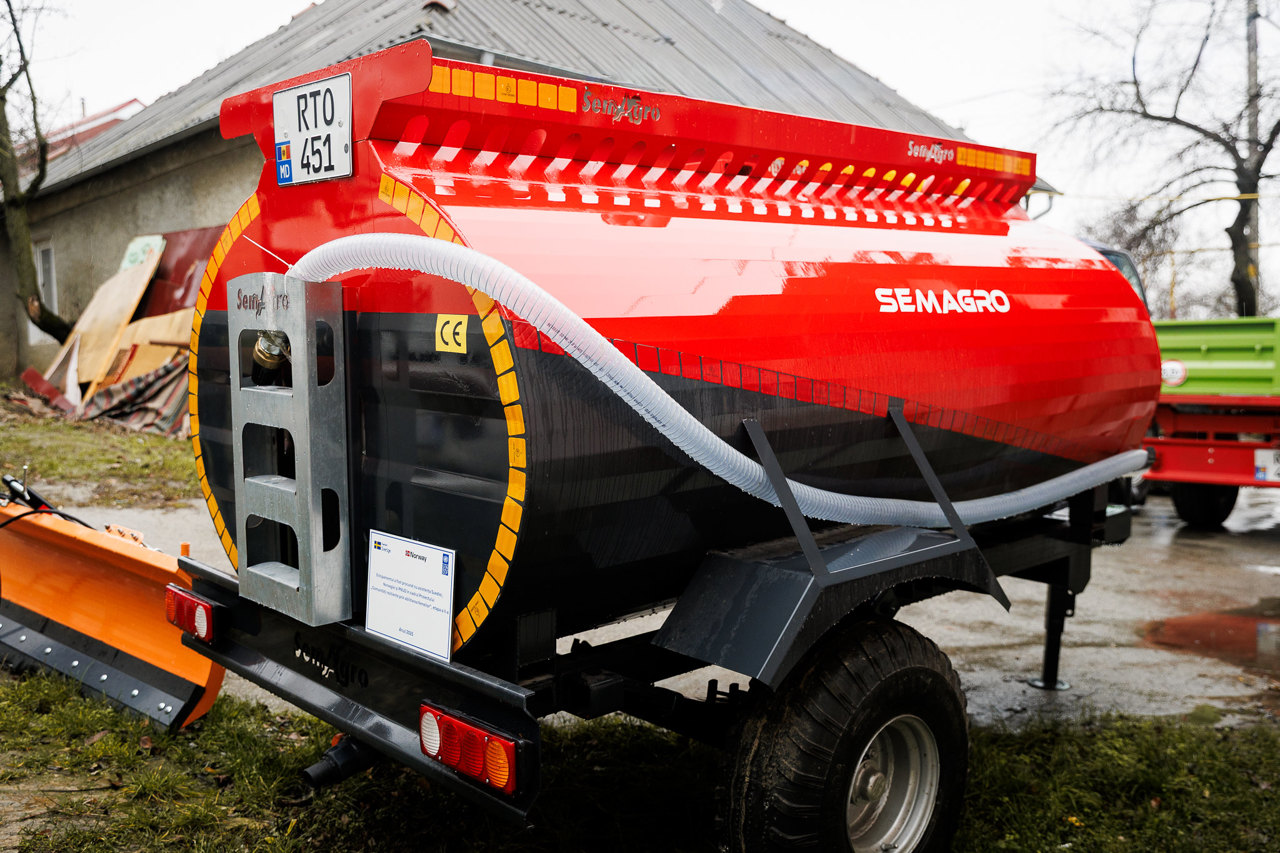
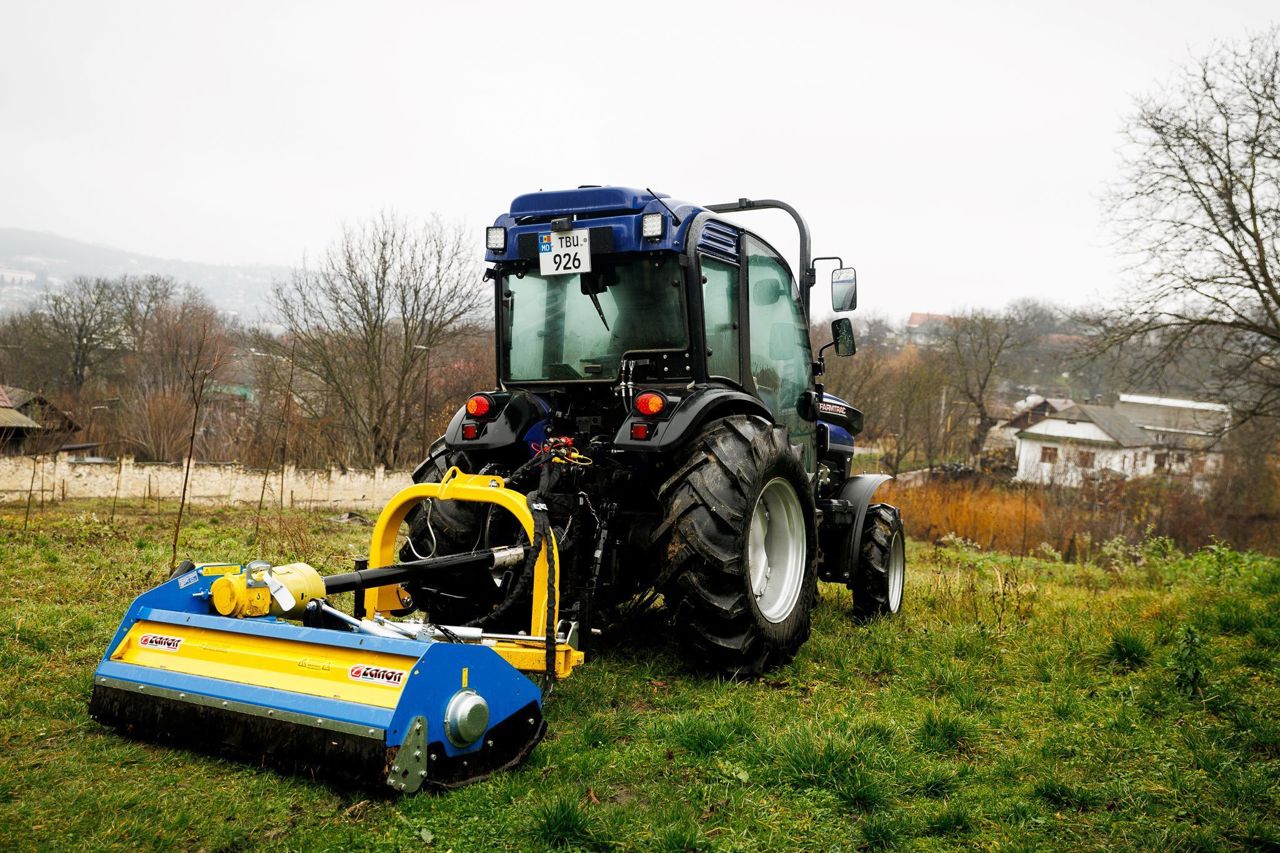
The Tuzara commune in the Călărași district is now better equipped to tackle fires, heavy snowfall, and prolonged droughts. The city hall recently acquired a multifunctional tractor along with a complete set of equipment, including a trailer, a snowplow, a fire pump tanker, and a vegetation shredder. This new equipment will support local efforts to combat the increasingly severe effects of climate change.
The tractor and equipment were purchased through the "Resilient Communities through Women's Empowerment" project, which is implemented by UNDP with financial support from Sweden and Norway.
The locality, situated on a hill, faces greater exposure to early snowfall, sleet, prolonged droughts, and wildfires than the surrounding villages. Tuzara, along with Seliștea Nouă and Novaci, was among the first to experience these weather events.
In 2025, Tuzara ranked first in the district for the number of fires, many of which were caused by abandoned agricultural land.
For the locals, rapid intervention is not just a trend; it is essential for safeguarding their households.
"Due to our location, we are the first to face snowfalls, sleet, or drought. With this special technique, we can intervene in a timely manner to mitigate the calamities," stated Ion Rîpă, the mayor of Tuzara.

The absence of a hired operator did not stop the locals from benefiting from the equipment.
After office hours, the mayor leaves his suit in the office and hops into the tractor whenever necessary.
The first results are already becoming evident: dry vegetation in fire-prone areas has been cleared, and vulnerable residents have received assistance directly at their homes.
“We recently received a request from an elderly lady who was alone. Her garden had been unattended for years, so we used the equipment to help her. The equipment was specifically designed for situations like this, to provide assistance where it is needed,” says Ion Rîpă.
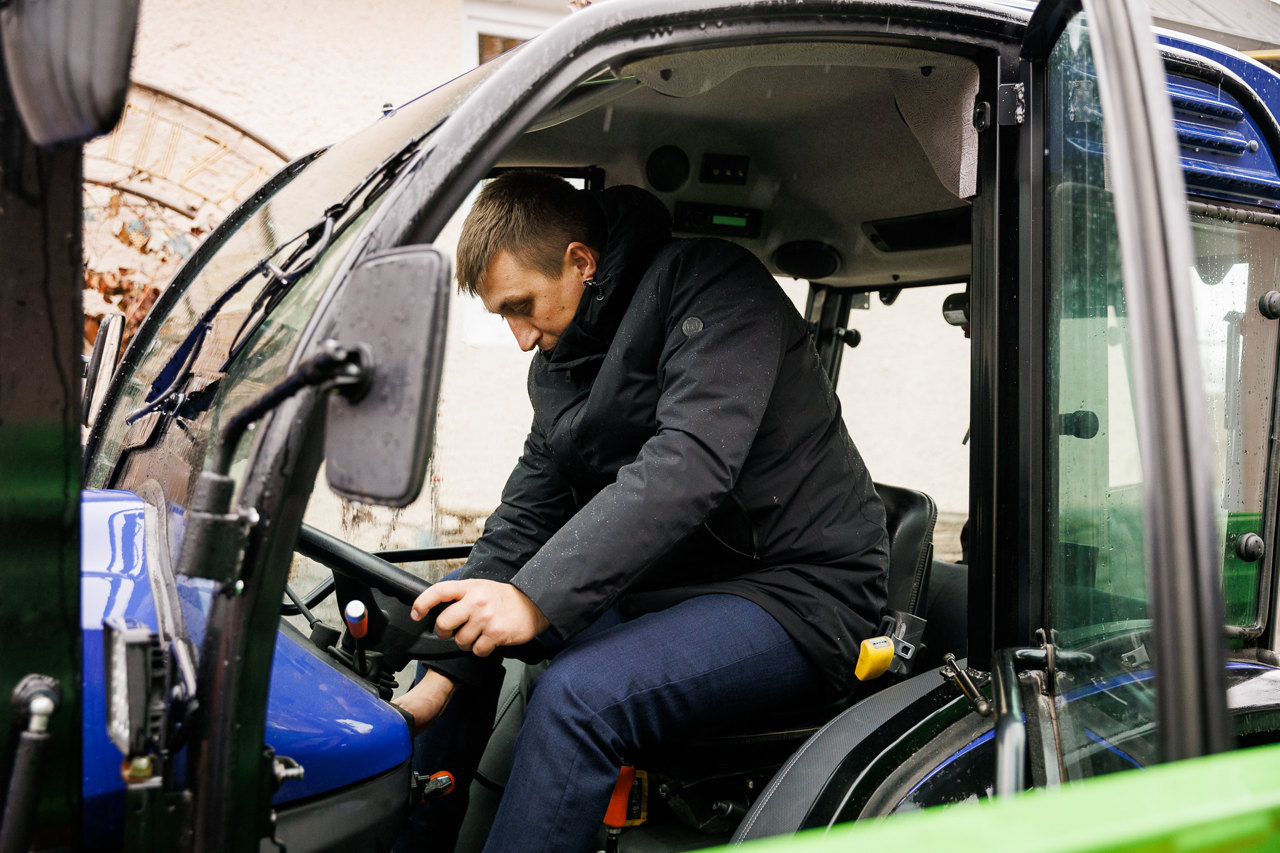
The most significant improvement has been in the management of vegetation fires. Last year, firefighters and volunteers responded to incidents almost weekly. However, with the addition of a new shredder, protective strips have been installed between uncultivated land and the forest, greatly reducing the risk of flames reaching residential areas.
Furthermore, the tanker serves a dual purpose: it will be used to extinguish fires and distribute water during drought conditions.
The kindergarten in the village of Novaci, which currently lacks a water supply system, will now have access to water for hygiene purposes.
In the winter, roads will be cleared more quickly, and during the warmer months, green spaces can be properly irrigated.
The city hall also plans to use this technique to maintain over 60 hectares of forests planted in the last two years, many of which were established on land converted from former landfills.
“People are satisfied and respond positively. They are simple folks from the countryside. They desire action, clean roads, and timely assistance and support for mothers and the elderly,” says the mayor.
The investment in Tuzara is part of a broader initiative to strengthen climate resilience in rural communities.
With support from UNDP, Sweden, and Norway, the Culture House in Ciorești, in the Nisporeni district, will be equipped with a 21 kW photovoltaic system and efficient air-conditioning units. This upgrade is expected to save over 22 MWh of energy annually and reduce carbon dioxide emissions by 9.8 tons.
In Cișmichioi, situated in the Gagauzia Autonomous Region, efficient air conditioning systems are already in place to provide comfort in the most frequently used areas of the Culture House, including its 500-seat hall. In 2026, this locality will also receive a 10.5 kW photovoltaic system, further enhancing its energy independence.