New EU rule bypasses veto risk to keep Russian assets frozen
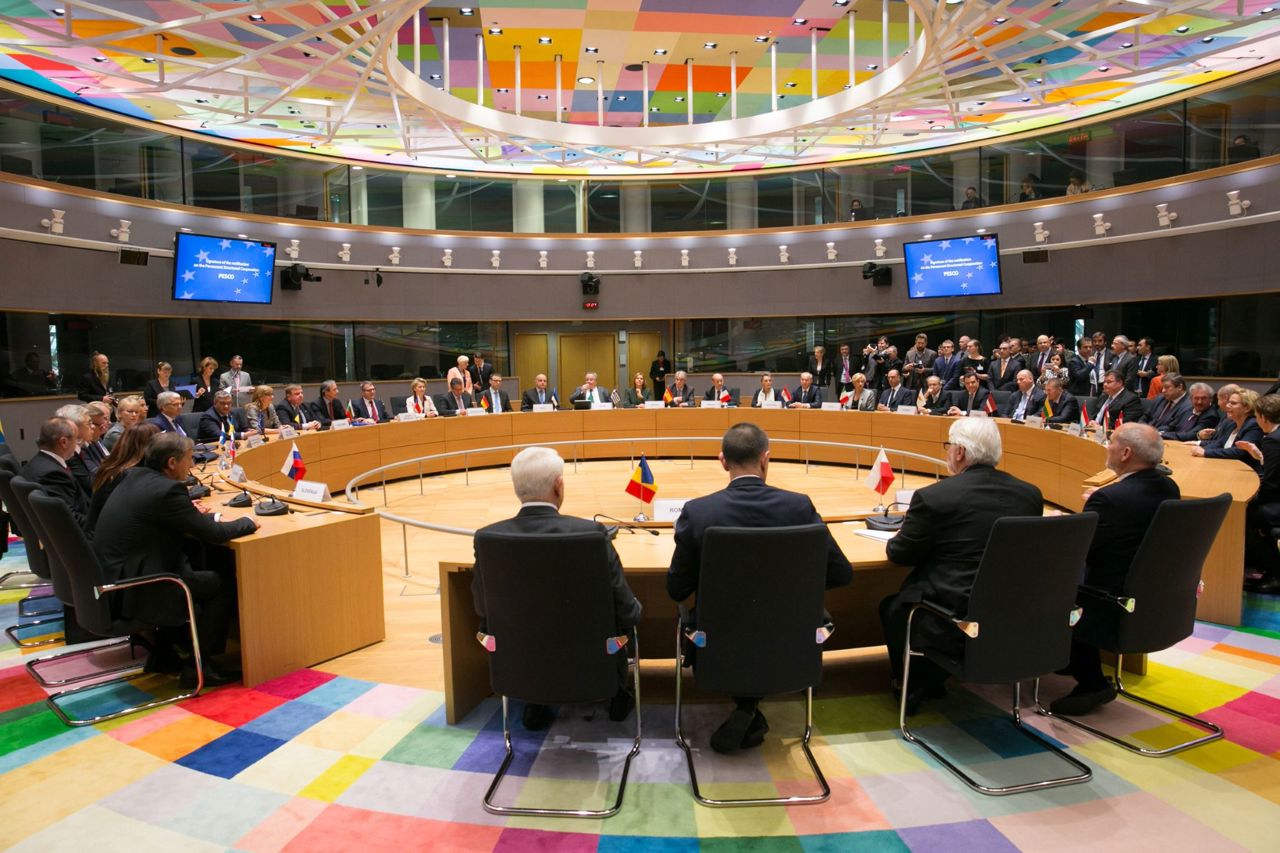
The European Union has reached a political agreement on the indefinite freezing of Russian Central Bank assets located on EU territory.
This landmark decision ends the need for the periodic renewal of EU sanctions and establishes the legal framework for using the resulting revenue to provide significant Ukraine funding. The announcement was confirmed by EU member states' ambassadors in Brussels, Reuters reports.
Previously, maintaining the frozen Russian assets required a unanimous vote from all 27 member states every six months, a process susceptible to political gridlock. The new mechanism allows decisions to be adopted by a qualified majority, by invoking the 'emergency brake' provision of Article 122 of the EU treaties, used in situations of severe economic pressure. This change ensures the continuity of sanctions imposed on Moscow following its February 2022 invasion of Ukraine.
The decision targets Russian assets worth approximately €210 billion, with the majority held by financial services firm Euroclear in Belgium. This measure is crucial for the EU's plan to offer Ukraine a so-called "reparations loan," which could reach about €90 billion as early as next year to support its economy and defense effort.
Belgium, Bulgaria, Malta, and Italy requested that the effective decision on utilizing these assets be taken at the upcoming EU summit on December 18–19. As the key state holding the majority of the funds, Belgium is seeking specific, binding financial and legal guarantees from its European partners. This is intended to protect the country from eventual financial and legal risks, given the high probability that Russia will initiate international lawsuits.
Belgian Prime Minister Bart de Wever has repeatedly warned that a direct confiscation of the funds could expose Belgium and the EU to expensive international lawsuits, stressing that his country "is not at war with Russia." However, several European states, including Poland and the Baltic countries, are urging the European Commission to go further and definitively confiscate the Central Bank assets for the benefit of Ukraine.
Currently, the EU's legal basis permits the freezing of an aggressor state's assets but not their definitive confiscation. European officials concede that should peace be established in Ukraine, the funds might have to be returned to Russia, potentially forcing member states to cover the costs from national budgets.
Through this decision, the European Union is attempting to balance unwavering support for Ukraine, internal political unity, and the major legal risks generated by the use of frozen Russian assets under international law.
Translation by Iurie Tataru