Lukashenko pardons 123 political prisoners after US deal
Belarusian President Alexander Lukashenko pardoned 123 detainees on Saturday, December 13. Those released include political opponents, activists, journalists, and five Ukrainian citizens.
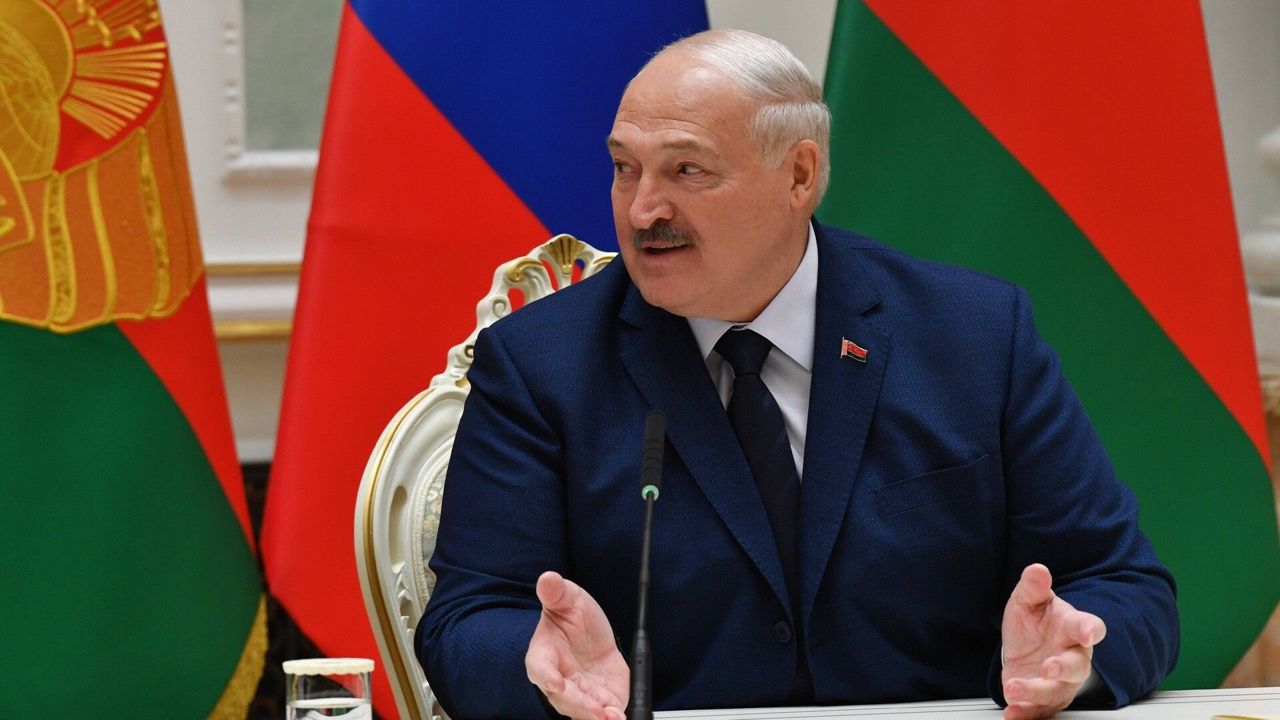
The decision followed two days of high-level talks in Minsk with an envoy of US President Donald Trump. It is directly linked to the United States' lifting of sanctions on Belarusian potash exports.
Among those freed are Ales Bialiatski, human rights activist and 2022 Nobel Peace Prize co-laureate, and Maria Kalesnikava, a leading figure of the pro-European opposition. The American delegation, led by envoy John Coale, confirmed the information. Minsk authorities have not yet published a complete official list.
Sources cited by international media indicate that the pardoned detainees also include Viktar Babaryka, a former banker and candidate in the widely disputed 2020 presidential election, which the West refuses to recognize. A Telegram channel affiliated with the Belarusian presidency confirmed Lukashenko pardoned "123 citizens from different countries," without detailing the full list of political prisoners.
In Kyiv, Ukrainian President Volodymyr Zelensky announced the five Ukrainian citizens held in Belarus were freed following a US-facilitated agreement. Available information suggests 114 of the released individuals headed to Ukraine, with the rest transferred to Lithuania.
Maria Kalesnikava and Viktar Babaryka have already arrived in Ukraine, according to an NGO. Kalesnikava was a central figure in the massive 2020 protests against the Lukashenko regime. She was arrested after actively resisting expulsion by destroying her passport at the border.
In exchange for the release of the 123 detainees, Washington decided to repeal sanctions targeting Belarus's potash exports. This is a crucial lifeline for the country's economy and a major source of state budget revenue, generating billions in annual export revenue.
While Lukashenko has previously freed political detainees, this is the largest mass release of its kind since the resumption of direct dialogue with the Trump administration—a move that marks a significant political shift.
American officials told Reuters that this interaction is part of a broader US effort to reduce Belarus's dependence on Russia and the influence of President Vladimir Putin. Despite the breakthrough, the Belarusian opposition views these steps with scepticism.
Belarus has been under severe Western sanctions since 2020 following the violent repression of post-election protests. The restrictive measures were expanded in 2022 after the Minsk regime allowed the Russian military to use Belarusian territory for the invasion of Ukraine.
Translation by Iurie Tataru