EU leaders meet to bypass Hungary’s veto on Ukraine and Moldova accession
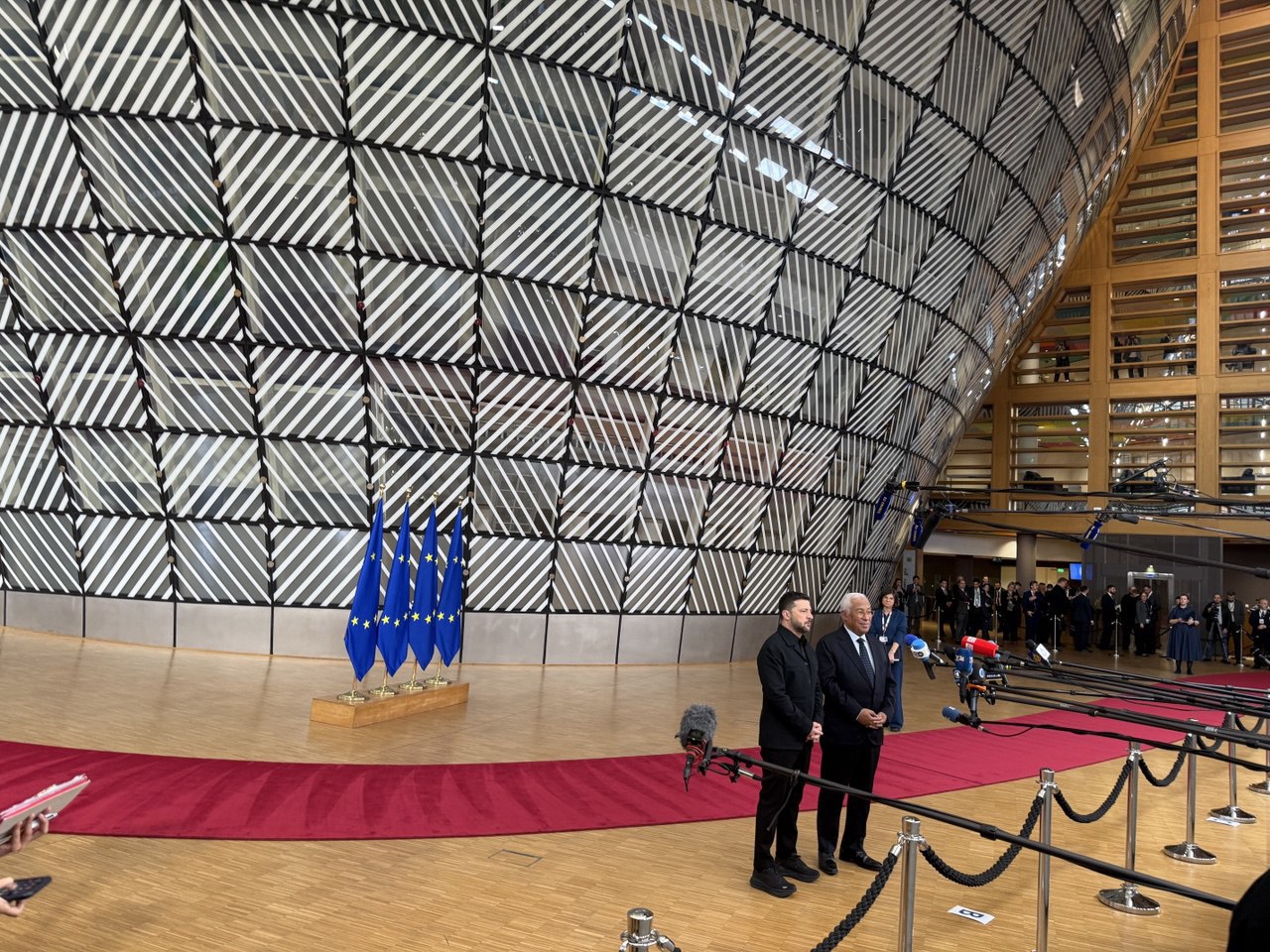
European Union enlargement dominates the agenda of the year’s final EU Council summit on December 18-19. This meeting represents the last window for EU leaders to reach a consensus on officially launching chapter-by-chapter negotiations with Moldova and Ukraine in 2025—a process currently stalled by Hungary’s persistent opposition to Kyiv's membership.
The summit unfolds against a backdrop of high-stakes security concerns and the ongoing war. In his invitation to heads of state, Council President António Costa described enlargement as the bloc's "most vital geostrategic investment in peace and prosperity," signaling that this meeting must define the next concrete steps for candidate countries.
For Moldova, the debate comes as Brussels formally acknowledges that Chișinău has cleared the technical hurdles for all six negotiation clusters (thematic groups of policy chapters). While the EU has confirmed Moldova's readiness, officials warned that the government must maintain its momentum in cleaning up the justice system and fighting corruption to ensure sustainable results.
Despite the political deadlock caused by member state disagreements, EU officials noted that Moldova will continue advancing through "technical-level" talks. This strategy is designed to keep the reform momentum alive even while the formal political decision remains blocked at the Council level.
Ukraine, security, and the EU budget: Key priorities
António Costa confirmed that leaders will open the summit by addressing Ukraine’s urgent financial needs for 2026–2027, including military and defense support. A critical goal is reaching an agreement by year-end on a loan for Ukraine backed by frozen Russian assets held within the EU. Leaders will also explore ways to increase pressure on Russia to strengthen Kyiv’s eventual negotiating position.
The summit will also look toward the long-term future, debating the EU's Multiannual Financial Framework for 2028–2034. The goal is to set the course for negotiations to ensure an agreement is reached by late 2026, allowing new funding programs to launch on schedule in 2028.
Other agenda items include the EU’s global competitiveness, the push for a permanent ceasefire in Gaza, and the roadmap for European defense through 2030. The leaders will also review progress on migration policies based on previous EU agreements.
The summit begins Thursday with an exchange with European Parliament President Roberta Metsola, followed by an address from Ukrainian President Volodymyr Zelenskyy, before the 27 member states move into closed-door sessions.
Translation by Iurie Tataru