Farmers challenge Moldova’s strategic agricultural plan over 'insufficient' €3.16 million budget
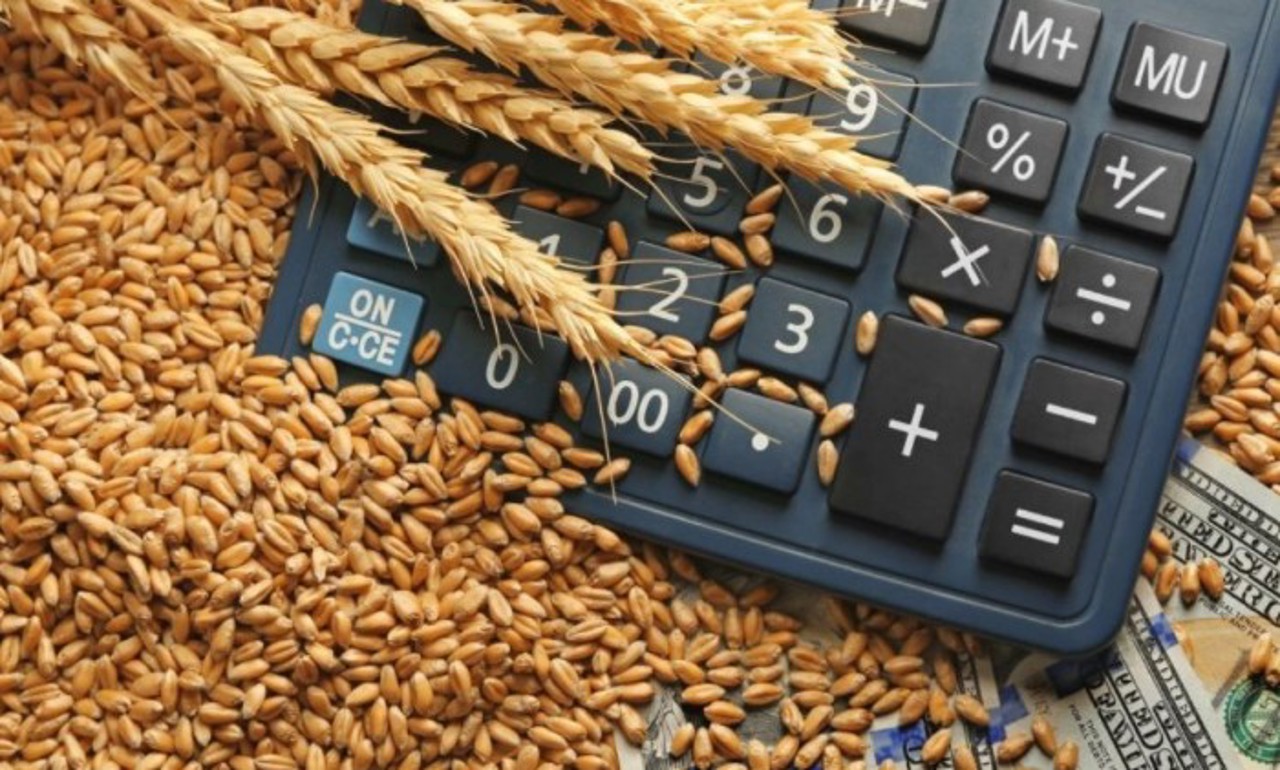
The Moldovan Ministry of Agriculture and Food Industry (MAIA) has extended the public consultation period for the 2026–2030 Strategic Agricultural Policy Program until February 16. The decision follows a sharp backlash from major grain and oilseed producers who argue the proposed funding is insufficient for modernizing the sector.
The "Forța Fermierilor" Association has criticized the government's plan to allocate only €3.16M (approx. 62M MDL) starting in 2027 to support the grain and oilseed industry. This budget is expected to cover massive transitions, including no-till cultivation, irrigation, and energy efficiency.
Alexandru Bădărău, Executive Director of the association, highlighted the economic irony: while unprocessed seed exports contributed €612M (approx. 12B MDL) to the economy last year, the new policy caps total sector support at roughly €306,000 (6M MDL).
"Under the new policy, this cap means only seven or eight farmers will realistically benefit from the funds," Bădărău told Radio Moldova. He warned that the lack of processing incentives keeps Moldova trapped as a low-value raw material exporter rather than a competitive producer of processed goods.
Fruit and nut growers have also voiced concerns, claiming the strategic documents lack clear priorities for their sectors. Oleg Tîrsînă, President of the Nut Growers Association, stated that a formal list of counter-proposals is being drafted following an internal review of the 2026–2030 roadmap.
In response, MAIA officials emphasized that the program underwent several rounds of analysis with industry stakeholders during its drafting phase. The Ministry reaffirmed its commitment to institutional dialogue, promising to resubmit the project for review after adjusting for the feedback received by the new February deadline.
The government aims to create a "predictable and sustainable" framework, though farmers maintain that without a significant capital injection, the sector cannot reach the export competitiveness required for European integration.
Translation by Iurie Tataru