Kremlin loyalists join opposition in rare backlash against Russia’s digital censorship
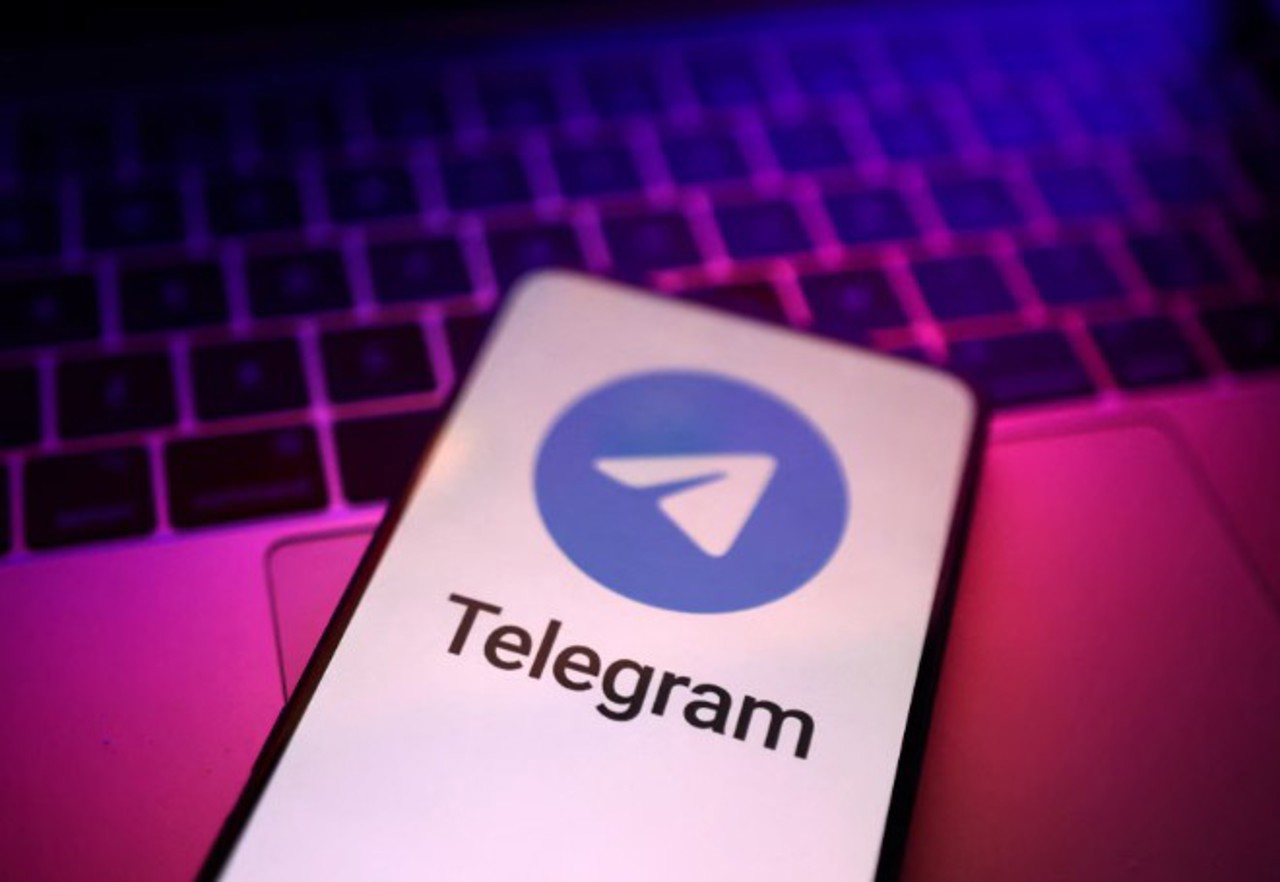
The liberal Yabloko party has formally notified Moscow authorities of its intent to hold a rally on March 1 in support of Telegram and freedom of speech. The proposed event, scheduled for the central Zaryadye Park, expects a turnout of up to 5,000 participants.
Party Chairman Nikolai Rybakov emphasized that the Russian Constitution guarantees the right to assemble. He warned that any official prohibition would be a "political decision rather than a legal one," as authorities continue to use 2020-era pandemic restrictions to block opposition gatherings.
Systemic throttling and state control
Since mid-2025, Russian regulators have intensified efforts to degrade Telegram’s functionality, specifically targeting video calls. On February 10, reports confirmed a deliberate "throttling" strategy. Roskomnadzor, the state media watchdog, described these as "consistent restrictions" necessary to protect citizens.
This digital crackdown has triggered an unprecedented rift within the Kremlin’s own support base. Pro-war bloggers, Duma deputies, and state media personalities—who rely on Telegram as their primary communication tool—have voiced rare public indignation against the government's actions.
A strategic shift in public sentiment
Political analyst Tatiana Stanovaya of the Carnegie Russia Eurasia Center notes that Telegram has effectively replaced traditional media for the Russian elite. The app’s disruption is causing fragmentation among usually loyalist communities, who now find their information channels threatened.
State Duma deputies have gone as far as demanding internal investigations into those obstructing the messaging service. As the March 1 deadline approaches, the City Hall’s response will serve as a key indicator of the Kremlin’s tolerance for dissent amidst this growing internal pressure.
Translation by Iurie Tataru