Brussels weighs Article 7 and frozen assets to bypass Orban’s veto on Ukraine aid
The European Union faces a critical test of solidarity as Hungary blocks a vital €90 billion financial aid package for Ukraine. This obstruction comes as the continent marks the four-year anniversary of Russia’s full-scale invasion.
During the Foreign Affairs Council in Brussels, Budapest also halted the 20th package of sanctions against the Russian Federation. EU High Representative Kaja Kallas confirmed that Hungary linked its approval to the resumption of Russian oil flows through the "Druzhba" pipeline.
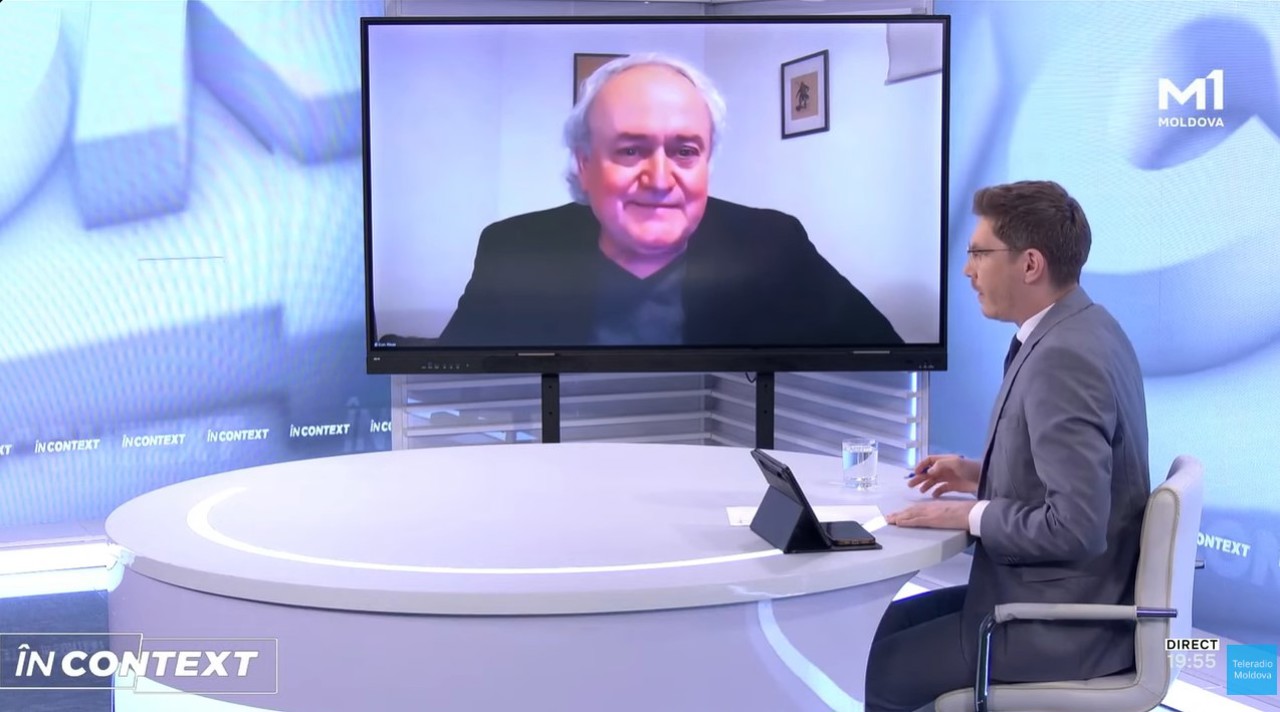
Brussels correspondent Dan Alexe reports that the €90 billion package intended for the next two years represents half of all EU aid provided since 2022. Total European contributions currently stand at €190 billion, surpassing the €150 billion provided by the United States.
Strategic levers against obstruction
To bypass the Hungarian veto, the European Commission is considering the "nuclear option": invoking Article 7 of the EU Treaties. This legal mechanism could strip Hungary of its voting rights, effectively neutralizing its ability to block collective decisions.
Additionally, the EU continues to freeze roughly €19 billion in funds earmarked for Hungary. These assets remain suspended due to Budapest’s ongoing failures to uphold the rule of law, judicial independence, and media freedom.
Frozen assets as a fiscal bridge
EU officials are also exploring the use of windfall profits from frozen Russian assets. Experts suggest these interest payments could bridge Ukraine's immediate fiscal gap and provide essential support through the winter months.
While the EU remains Ukraine’s primary financial lifeline, its diplomatic influence in peace negotiations remains limited. Analysts note that Washington and Moscow continue to dominate the direct dialogue, leaving Brussels searching for a formal seat at the negotiating table.
Translation by Iurie Tataru