Anti-bullying training planned for teachers from over 100 schools
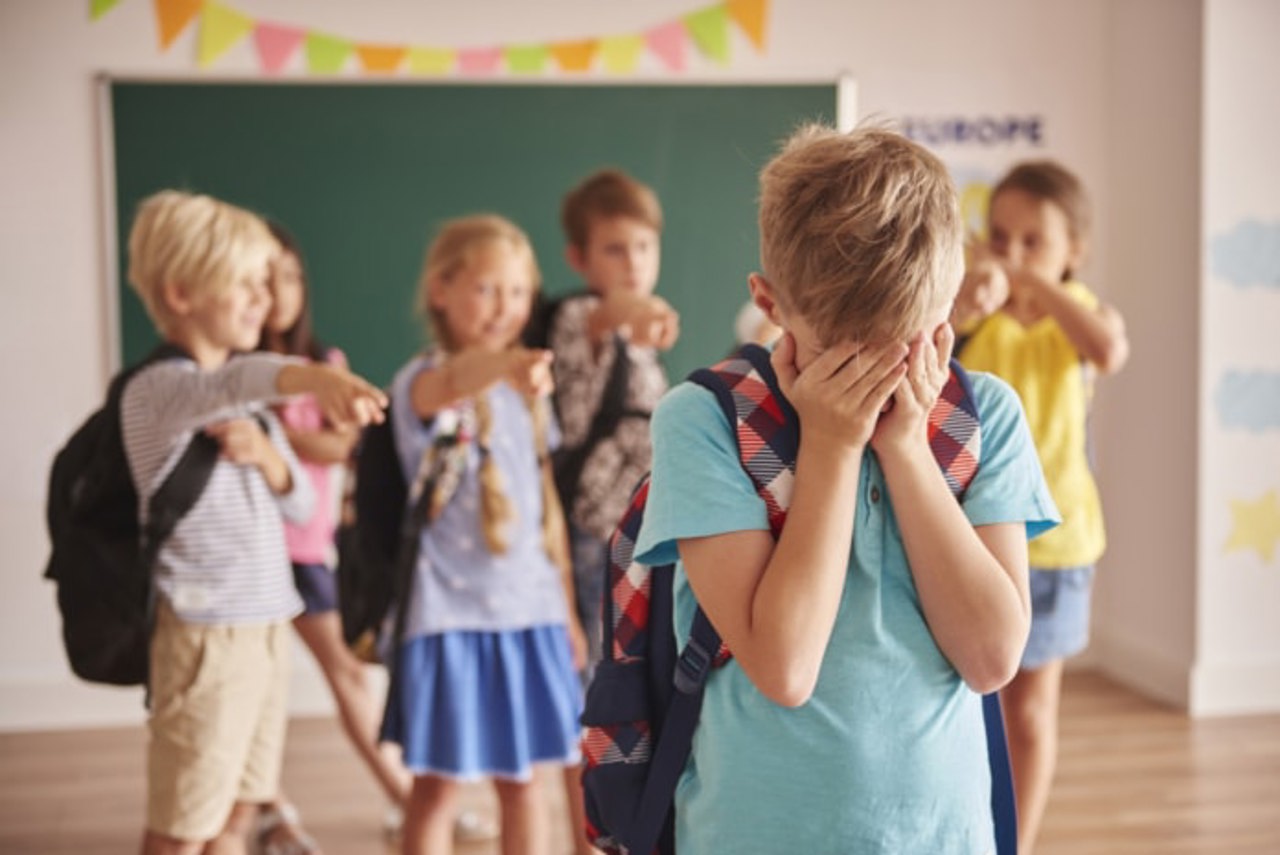
Experts warn that ordinary conflicts between students are often mistaken for bullying. To prevent this misunderstanding, it is crucial to clearly define both concepts. In response, the Ministry of Education and Research has initiated a comprehensive national anti-bullying training program for over 2,000 teachers. The program aims to change how aggression among children is identified and managed.
It is essential for teachers to differentiate between various forms of violence—physical, verbal, and psychological—and to clearly understand the distinctions between bullying, aggression, neglect, and other similar behaviors. This was emphasized by Inga Grosu, a senior consultant within the Directorate of Management in General Education at the Ministry of Education and Research (MEC), in the show "Zi de Zi" on Radio Moldova.
The ministry's initiative focuses on practical activities and developing a comprehensive institutional-level intervention model.
Inga Grosu emphasized, “It is crucial that students, who also have decision-making power, participate in this process. All activities will be conducted in person, as we must recognize that direct interaction—peer-to-peer, with case studies and team activities—is the best approach.”
She also pointed out that students involved in situations of violence should not be labeled as “aggressors.” According to Grosu, “They have different roles as defined in the methodology, ranging from the 'initiator' of the bullying to 'witnesses' of the situation and the 'child exposed' to this phenomenon.”
Grosu mentioned that educational institutions have an obligation to ensure the safety of every child and must report any identified cases of violence. Teachers play a crucial role in this process, as they are responsible for informing all involved parties when they observe or suspect cases of abuse, bullying, or violence, including the students’ parents.
Parents must also be partners in this process and support the child. However, Grosu noted that there are instances in which a parent may initially refuse to acknowledge the problem or to collaborate with the educational institution.
She explained, “There are cases where the parent does not accept the situation, but we need to understand the underlying reason for this non-acceptance: it may stem from a fear that the student will be labelled or publicly exposed. In such situations, it is natural for parents to have certain fears. However, with assertive and constructive communication, we can clarify that such behavior will not be tolerated under any circumstances, and this usually leads to greater awareness of the problem.”
Grosu further stated that, often, children’s aggressive behaviors are rooted in specific causes. “There is usually a reason behind these behaviors, and most often it involves unmet needs—whether physiological or emotional. If a parent understands that these needs can be met through love, empathy, acceptance, and active listening to the child, many of these situations could be prevented,” she believes.
The training program launched by the Ministry of Education and Research to prevent bullying will be implemented this year, involving approximately 2,200 teachers from 110 educational institutions.
According to data from the General Inspectorate of Police, confirmed by the Ministry of Education and Research, one in five students in the Republic of Moldova is a victim of bullying in schools. In 2024, there were 1,718 reported cases of bullying in educational institutions, and in 2025, this number increased by 108 cases.
Specialists attribute this rise to increased awareness and reporting of the phenomenon by children, parents, and teachers.