Modern agriculture increasingly relies on drones
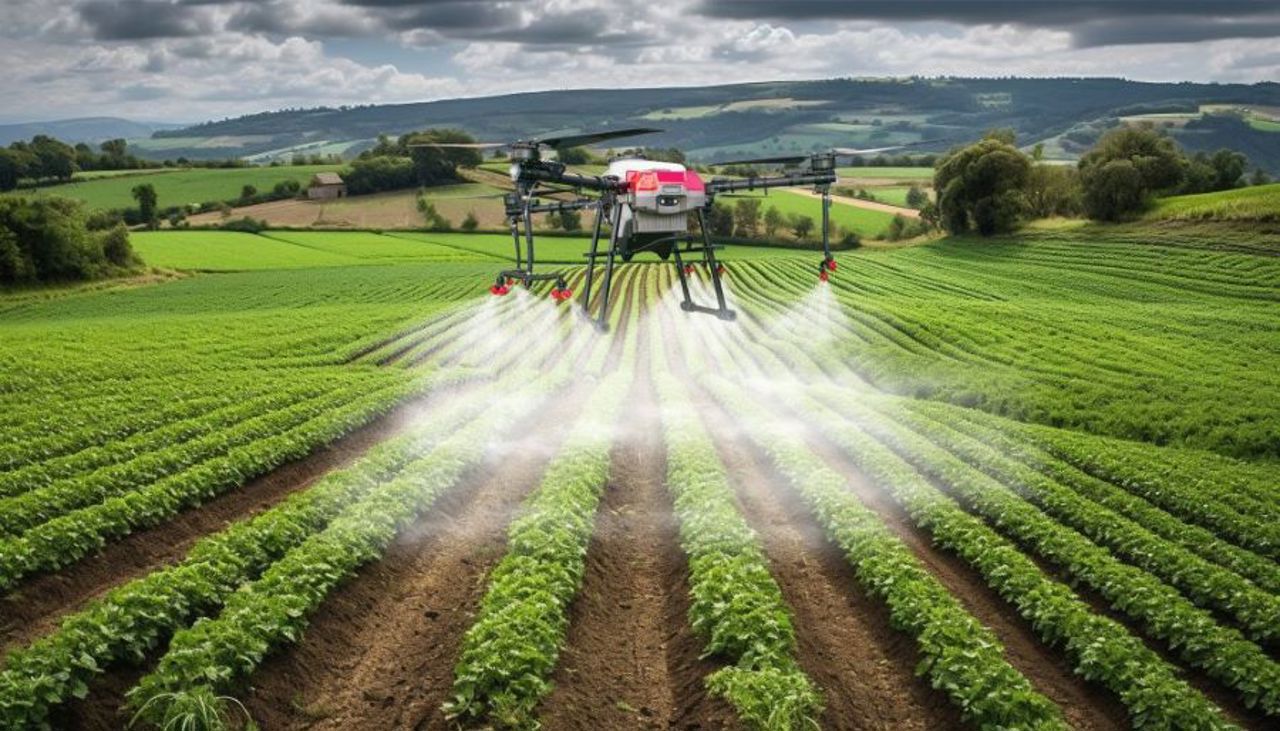
Modern agriculture is increasingly dependent on technology. Farmers are using drones to monitor crops, identify issues in the field, and apply treatments. These devices help farmers operate more efficiently and minimize losses.
Technology is increasingly influencing agriculture. In recent years, farmers have begun using drones to monitor crops, analyze soil conditions, and even spray plants. These modern devices help farmers save time and resources.
“We have been in the Moldovan market since 2020. We were the first to import agricultural drones and obtain the necessary permits from the Civil Aeronautical Authority. We have evolved significantly; with the T100, we are now 100% competitive with tractors. The amount of liquid that this drone can carry rivals that of any tractor, even in terms of price. We also provide training for pilots who will be flying drones,” said Andrei Lai, the manager of a company that imports such equipment, during the “Zi de Zi” show on Radio Moldova.
"Every year, we introduce a new drone. Currently, we have the DJI Agras, which has been highly anticipated in the agricultural sector. Many farmers have expressed their interest in collaborating once the DJI Agras becomes available. In the past, I faced criticism for offering drones smaller than the capacities farmers needed. Now, we offer a solid tank with a capacity of 150 liters. Until recently, it wasn’t convenient to spread pesticides with a drone, but now we have a strong argument for its efficacy," Andrei Lai added.
A common question among farmers is: how easy is it to pilot a drone?
"The drone is 90% autonomous, requiring minimal human intervention; it does most of the work by itself. We only need to feed it and change its battery. With this drone, we can apply pesticides without creating technological pathways. We can even operate after it has rained and the ground is wet. Additionally, we use a type of pesticide that is spread in very small granules—around 50 microns. These granules do not fall on the plants, ensuring very high spraying quality. We can compete on price with traditional tractor methods of pesticide application," the entrepreneur explained.
According to him, there is a significant difference in capabilities between tractors and drones.
"The drone can spray approximately 100 hectares using just one and a half tons of water, while a farmer would typically use around 30 tons of water with traditional tractor methods. This is a substantial difference. Currently, we are facing a water deficit in the Republic of Moldova. Furthermore, our method does not pollute the soil, as we use a very small dose of pesticides. The small drops remain on the plant and do not contaminate the soil, which aligns with our commitment to developing ecological solutions. We achieve a working speed of approximately 200 hectares per day, a level of productivity that not all types of tractors can match," he added.
Andrei Lai emphasized that drones used in agriculture have made significant advancements in recent years.
"I don’t think we need larger drones, as we generally spray between 10-15 liters per hectare, and up to 20 or 60 liters per hectare in vineyards and orchards. This drone is sufficient for those tasks," concluded Andrei Lai.
Author: Natalia Mogîldea