Global energy security at risk as allies bypass Hormuz escort roles
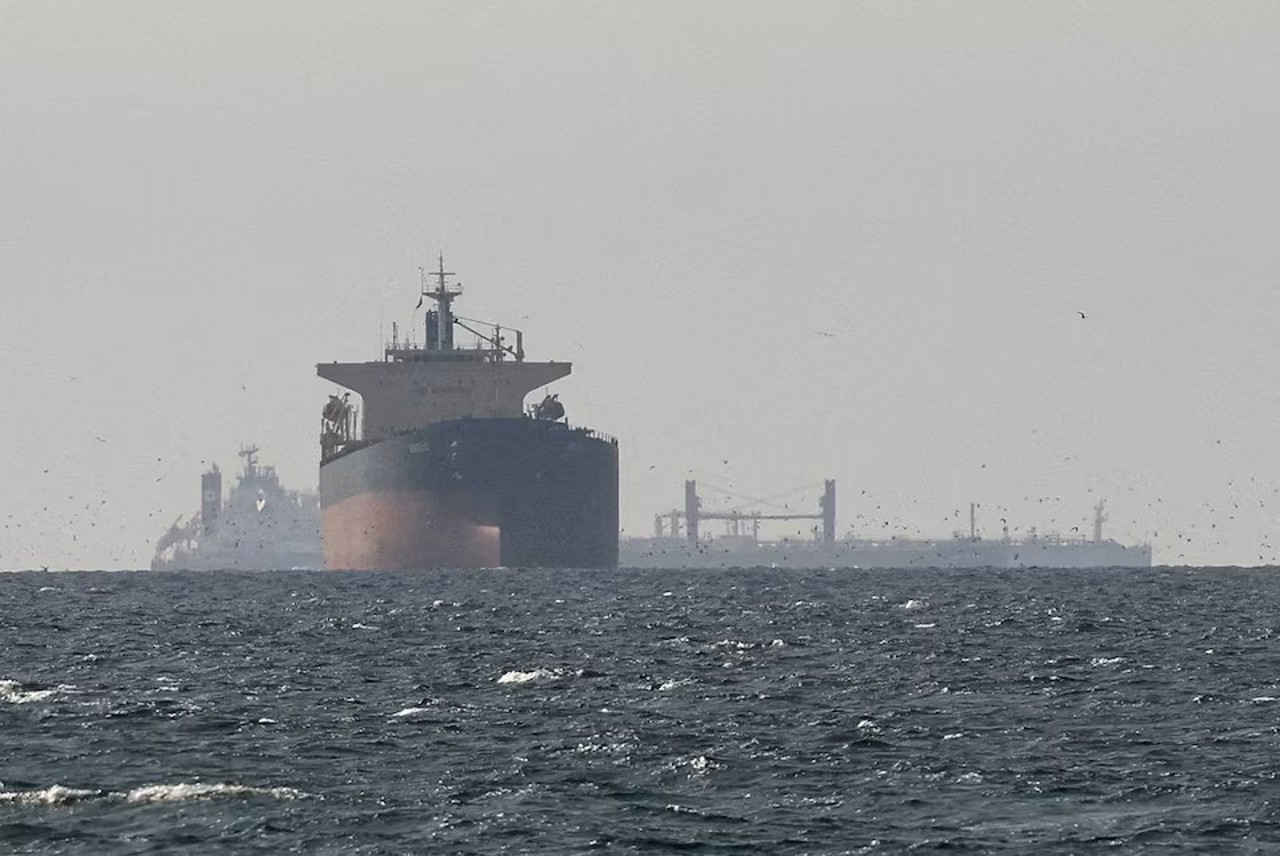
Tokyo and Canberra have declined to deploy naval assets to the Strait of Hormuz, despite pressure from US President Donald Trump to secure the vital maritime chokepoint.
The refusal comes as the ongoing conflict between the US, Israel, and Iran enters its third week. The hostilities have paralyzed regional energy markets, with the Strait of Hormuz—handling 20% of global energy transit—currently facing near-total gridlock.
Trump demands global burden-sharing
Speaking from Air Force One, President Trump insisted that nations dependent on Gulf oil must protect their own interests. He argued that the US should not bear the sole responsibility for securing international trade routes.
The White House has reportedly approached seven nations for a maritime coalition. While not officially named in the formal request, Trump identified China, France, Japan, South Korea, and the UK as primary candidates for the task force.
Constitutional and diplomatic barriers
Japanese Prime Minister Sanae Takaichi cited the country's pacifist constitution as a major hurdle. Tokyo remains cautious, stating that any independent action must strictly adhere to existing legal frameworks.
Similarly, Australian Infrastructure Minister Catherine King confirmed that Canberra has not committed any military vessels. She emphasized that while the route is critical, Australia has not received or accepted a formal deployment request.
Pressure mounts on China and NATO
President Trump signaled that Beijing’s cooperation in Hormuz is a prerequisite for a successful upcoming summit with President Xi Jinping. He noted that 90% of China's oil imports transit the strait.
Furthermore, the US President warned that NATO’s "future looks bleak" if European allies fail to support maritime security. EU foreign ministers are currently discussing the expansion of existing naval missions, though no immediate breakthrough is expected.
Translation by Iurie Tataru