Trump criticizes allies over Hormuz blockade as US forces strike Iranian missile sites
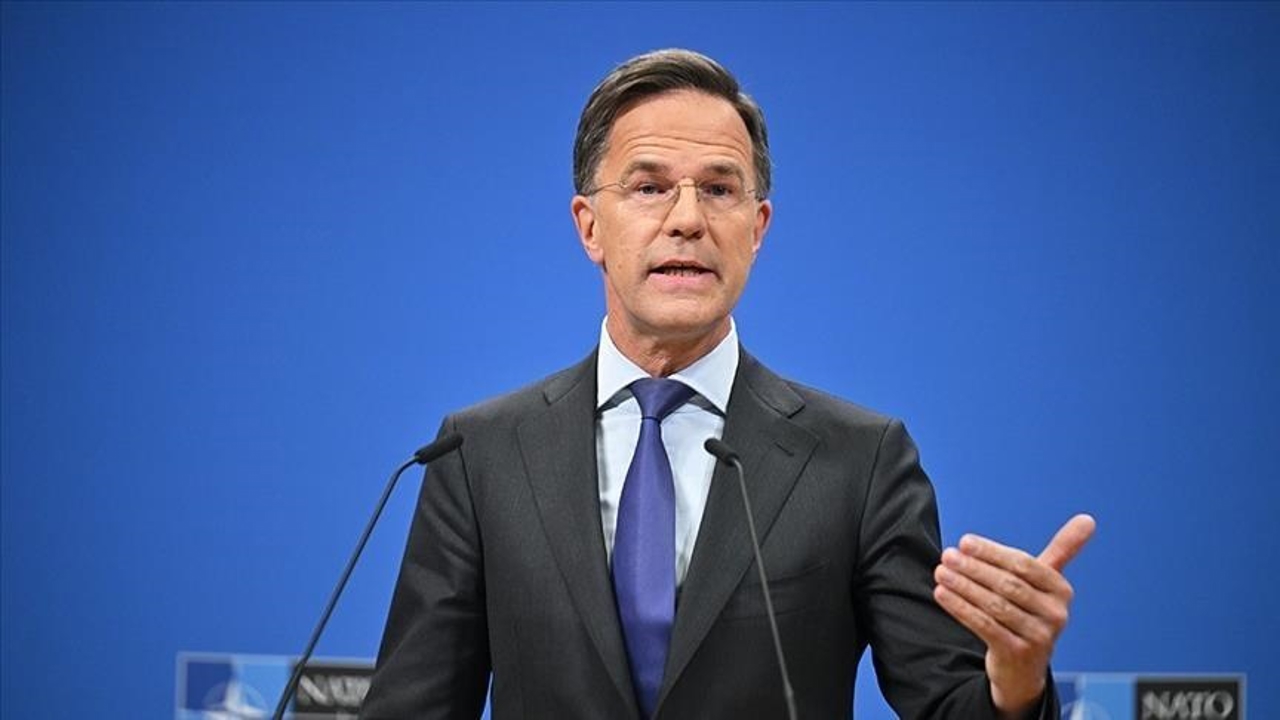
NATO Secretary General Mark Rutte confirmed on Wednesday that alliance members are actively discussing the best methods to reopen the Strait of Hormuz. The strategic waterway remains blocked by Iran following a series of American-Israeli strikes.
Speaking from northern Norway during the Cold Response military exercise, Rutte emphasized that allies are collaborating to find a viable solution. "We all agree that the strait must be reopened," Rutte stated, signaling a push for collective action.
Cracks in the Transatlantic alliance
The diplomatic push comes as President Donald Trump intensified his criticism of key NATO allies, including France and the United Kingdom. Washington is frustrated by their refusal to assist in military efforts to clear the passage.
The blockade has paralyzed nearly 20% of the world’s crude oil and liquefied natural gas (LNG) transit. This disruption has caused global energy prices to skyrocket over the past 14 days, threatening economic stability.
Escalating military pressure
While calling the allies' refusal a "truly stupid mistake," President Trump suggested that US assistance might not ultimately depend on NATO support. He maintained that the US possesses the necessary capability to act independently if required.
Simultaneously, the US military has escalated its kinetic response. American aircraft recently deployed precision bunker-buster munitions against Iranian missile depots positioned near the Strait of Hormuz to neutralize immediate threats to navigation.
Translation by Iurie Tataru