Moldova accuses Russia of polluting the Nistru River, urges international pressure; Parliament approves declaration
The Parliament of the Republic of Moldova firmly condemns the actions of the Russian Federation that led to cross-border contamination of the Dniester River and affected water supply security and public health. The declaration was adopted during the plenary session on March 20, with 63 votes from deputies of the PAS majority and from the “Democracy at Home” and “Partidul Nostru” factions. The communists, socialists and deputies from “Alternativa” did not support the document, choosing either to vote against it or to abstain.
The document states that the Russian Federation bears direct responsibility for the ecological and humanitarian crisis in the Republic of Moldova, caused by the contamination of the country’s main source of drinking water. “The total volume of petroleum products discharged into the Nistru River exceeds 1.5 tonnes, creating a major and imminent risk to the environment, water resources, biodiversity, public health, the security of water supply, and the vital interests of the state and citizens of the Republic of Moldova,” the Parliamentary Declaration reads.
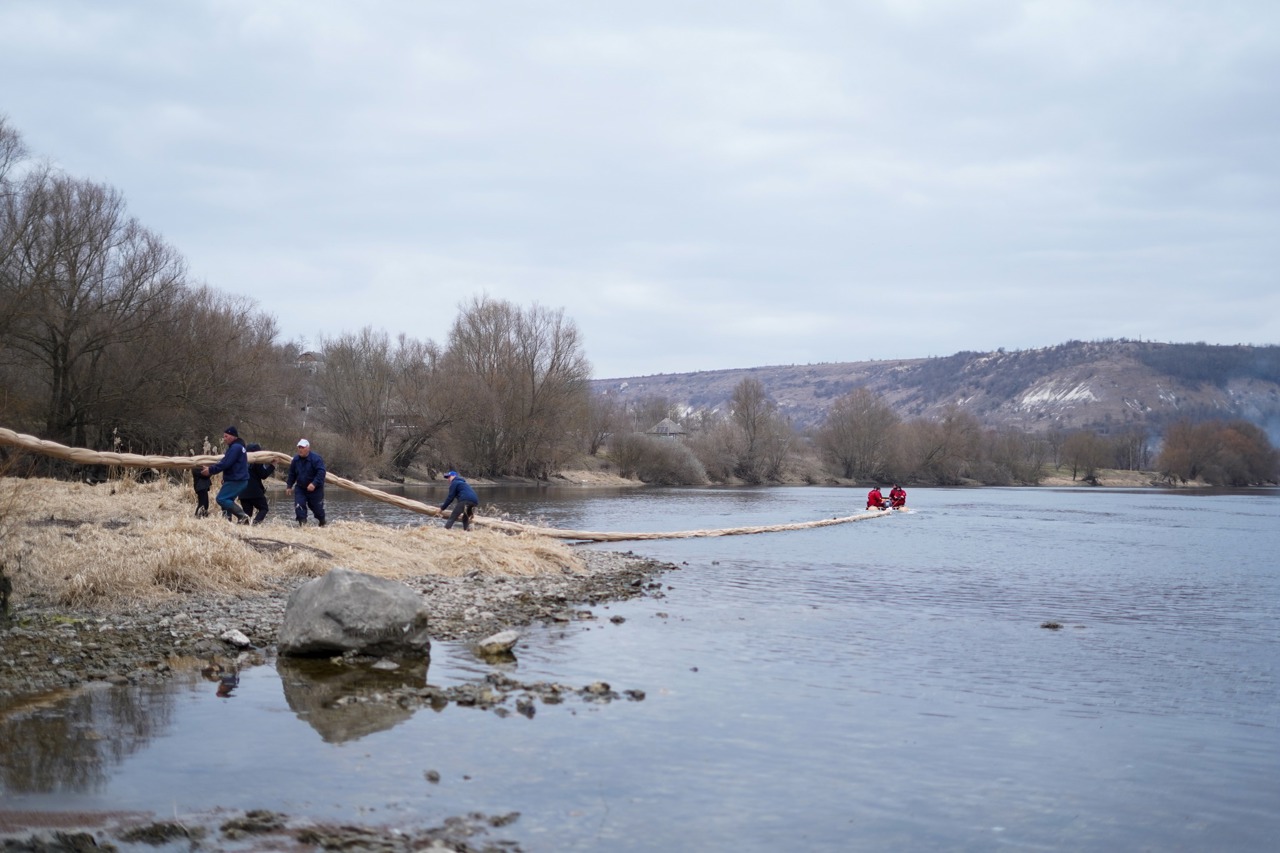
The legislature also draws attention to the wide-ranging impact of the pollution, which disrupted water supply in several localities and required emergency interventions, including the installation of anti-pollution barriers, mobilization of state resources and the involvement of responsible institutions to limit the consequences.
The declaration was approved after the Minister of Environment, Gheorghe Hajder, presented the situation regarding the Nistru pollution and its effects on the environment and public health. The minister stressed that the incident cannot be treated as an isolated case but as a direct consequence of the war in Ukraine, with implications for the Republic of Moldova's environmental security.
According to the minister, field interventions involved 850 people and 266 units of equipment. Absorbent filters were installed, and drinking water supplies were ensured for localities in the north of the country. The resumption of centralized water supply was possible only after laboratory tests showed compliant values for two consecutive days.
Parliament also condemns the spread of disinformation related to this crisis and urges citizens to seek information from credible sources. At the same time, the authorities are called upon to continue measures to reduce the impact of pollution and to ensure prompt and transparent communication with the public.
“The Nistru River is the main source of drinking water for the Republic of Moldova, and its cross-border contamination is a direct consequence of the armed attack by the Russian Federation, which was fully aware of the specific nature of the targeted critical infrastructure and the inevitable ecological catastrophe it would trigger. The Russian Federation is the state responsible for the ecological and humanitarian crisis in the Republic of Moldova, as well as for any potential long-term negative consequences for the health of the citizens of the Republic of Moldova,” the Parliament's Declaration states.
The deputies also call on the international community to exert pressure on the Russian Federation to stop attacks on Ukraine’s critical infrastructure, which directly affect the Republic of Moldova as well. The legislature reaffirms its support for the sovereignty and territorial integrity of Ukraine and welcomes the assistance provided by external partners, including Romania and the European Union, in addressing the crisis's consequences.
The declaration refers to the March 7, 2026 attack on Ukraine’s energy infrastructure, including the Novodnestrovsk Hydropower Complex, which resulted in the discharge of petroleum products into the Nistru River. The first traces of pollution were detected on March 10 in the north of the Republic of Moldova, leading to temporary interruptions in water supply and the introduction of a 15-day state of environmental alert.