Moldova battles cross-border pollution after Russian drone attack
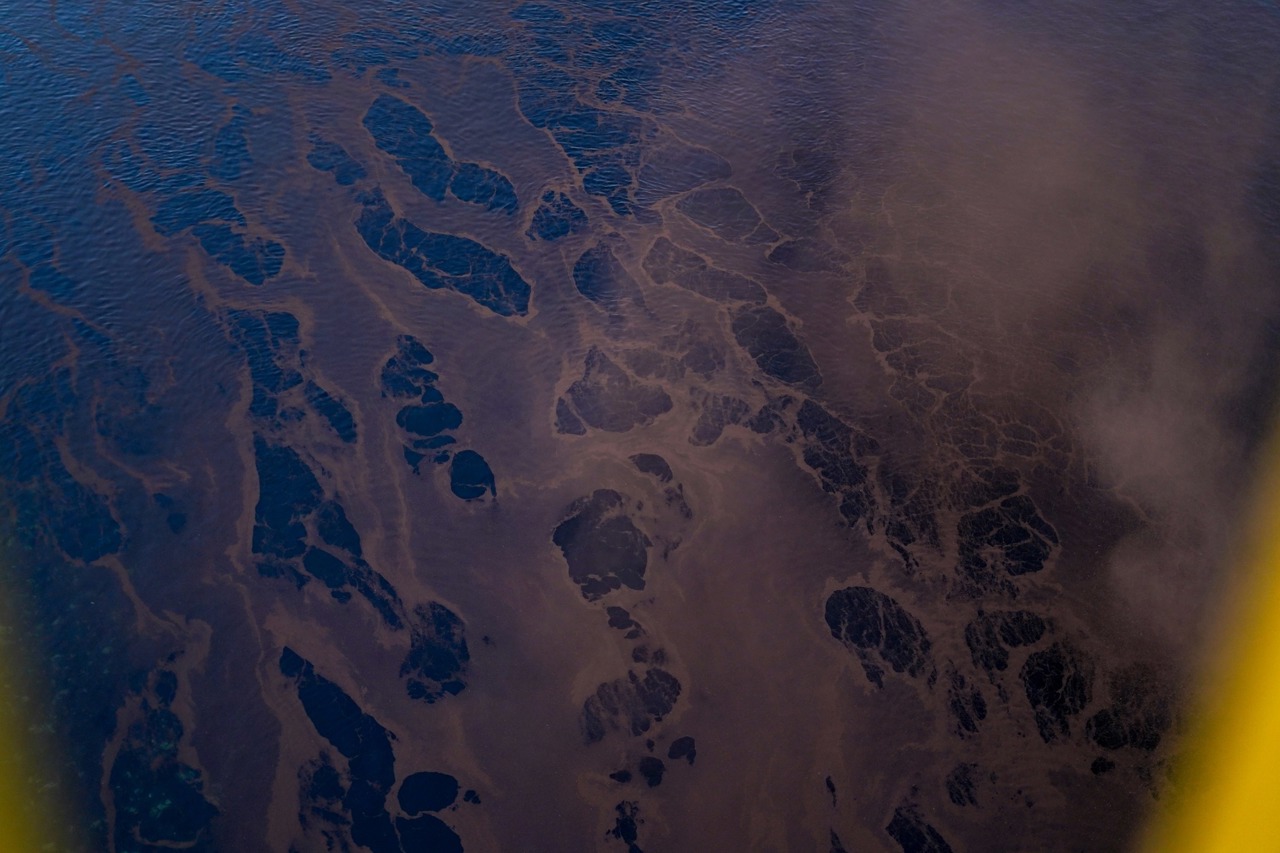
Moldova is struggling to contain an "unprecedented" cross-border oil spill on the Dniester River, following Russian drone strikes on Ukraine’s energy infrastructure earlier this month.
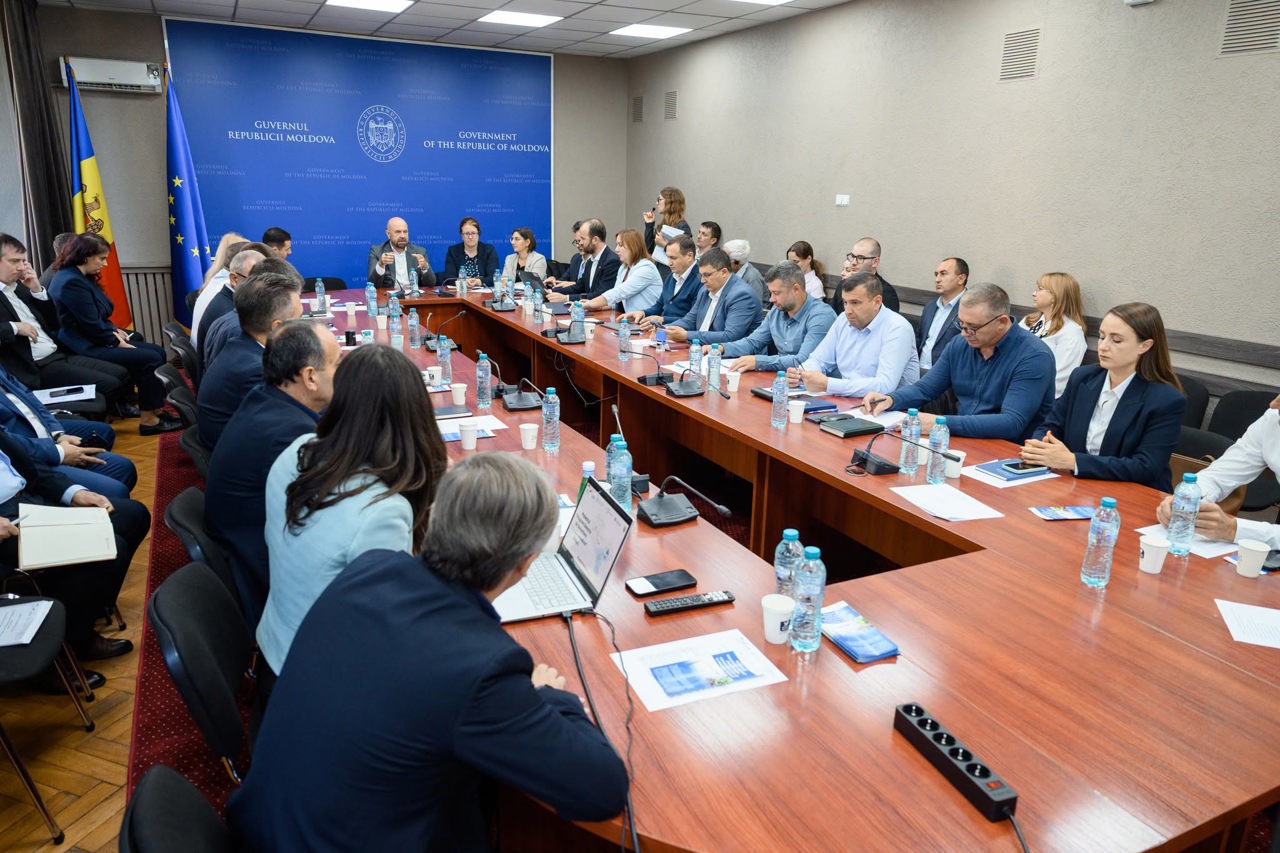
Environment Minister Gheorghe Hajder confirmed on Tuesday that new oil slicks continue to float downstream from Ukraine. This persists despite Kyiv’s earlier assurances that the source of the leak had been sealed.
Containment efforts in Soroca
Authorities have deployed seven absorbent booms near Arionesti to halt the spread of the pollutants. Hajder stated that the new slicks likely originate from "settling ponds" upstream, where oil accumulated following the initial disaster.
"We remain vigilant and are monitoring the situation constantly," Hajder said. He added that environmental experts are currently investigating reports of dead birds found along the riverbanks to determine if the deaths are directly linked to the toxicity.
Origin of the crisis
The environmental emergency began on the night of March 6, when Russian drones targeted the Novodnestrovsk hydroelectric plant in Ukraine. The explosions released massive quantities of transformer oil and petroleum products into the Dniester.
The pollution wave entered Moldovan territory on March 10 near Naslavcea. Laboratory tests have since confirmed hazardous levels of hydrocarbons, with officials estimating the spill volume could be significantly higher than the 1.5 tonnes initially reported by Ukraine.
Political and legal fallout
The Moldovan Prosecutor General’s Office has opened a criminal investigation into the incident, citing the constitutional right to a healthy environment. The probe will assess the long-term ecological damage and potential risks to public health.
President Maia Sandu stated that "Russia bears full responsibility" for the disaster. In response, the Moldovan Ministry of Foreign Affairs summoned the Russian ambassador to hand over a formal note of protest.
The European Union has activated support mechanisms, providing satellite imagery to track the spill's movement. Meanwhile, technical teams from Romania have joined Moldovan forces on the ground to deploy specialised equipment.
Translation by Iurie Tataru