Europe’s energy paradox: More green power, same price volatility
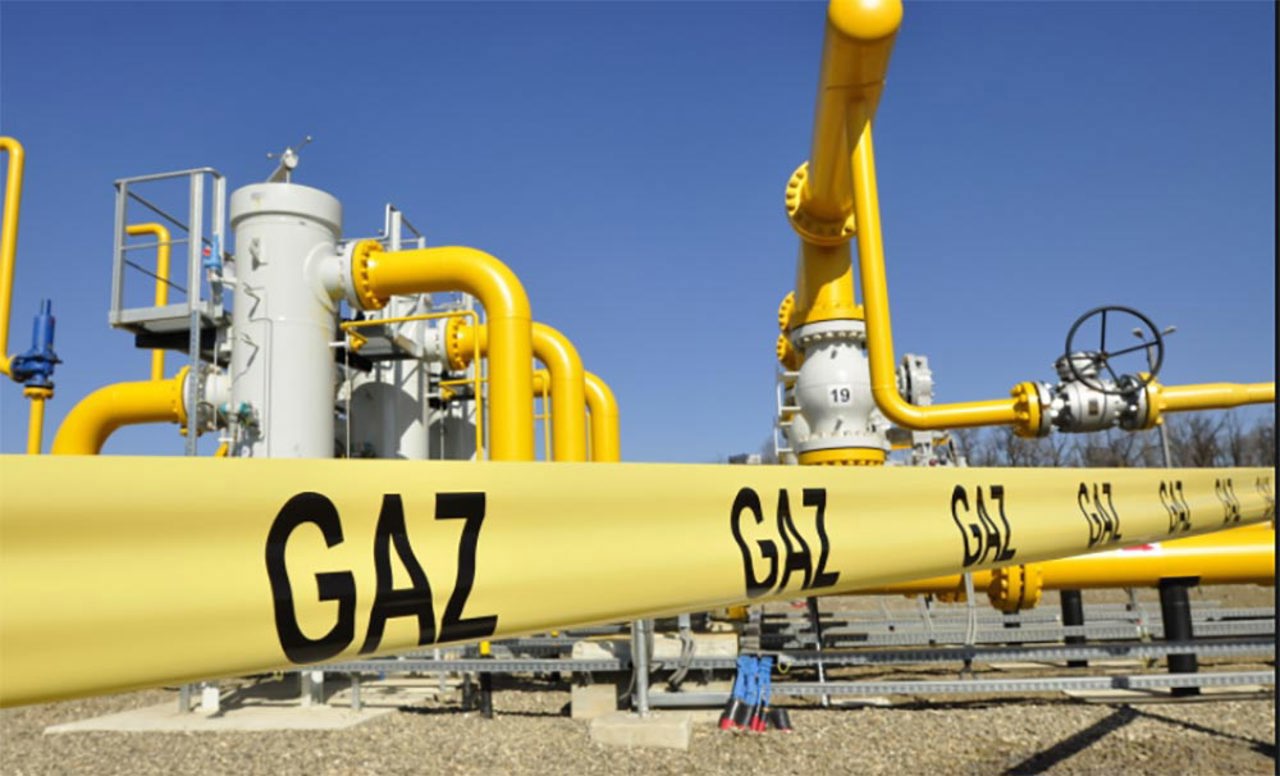
The European Commission has requested that all 27 member states reduce gas reserves ahead of next winter. This move comes despite a significant drop in consumption since 2022.
Strategically, Europe remains heavily dependent on hydrocarbon imports. Recent geopolitical shocks, including conflicts involving Iran and infrastructure targets in Ukraine, continue to expose the continent's energy vulnerabilities.
The decoupling challenge
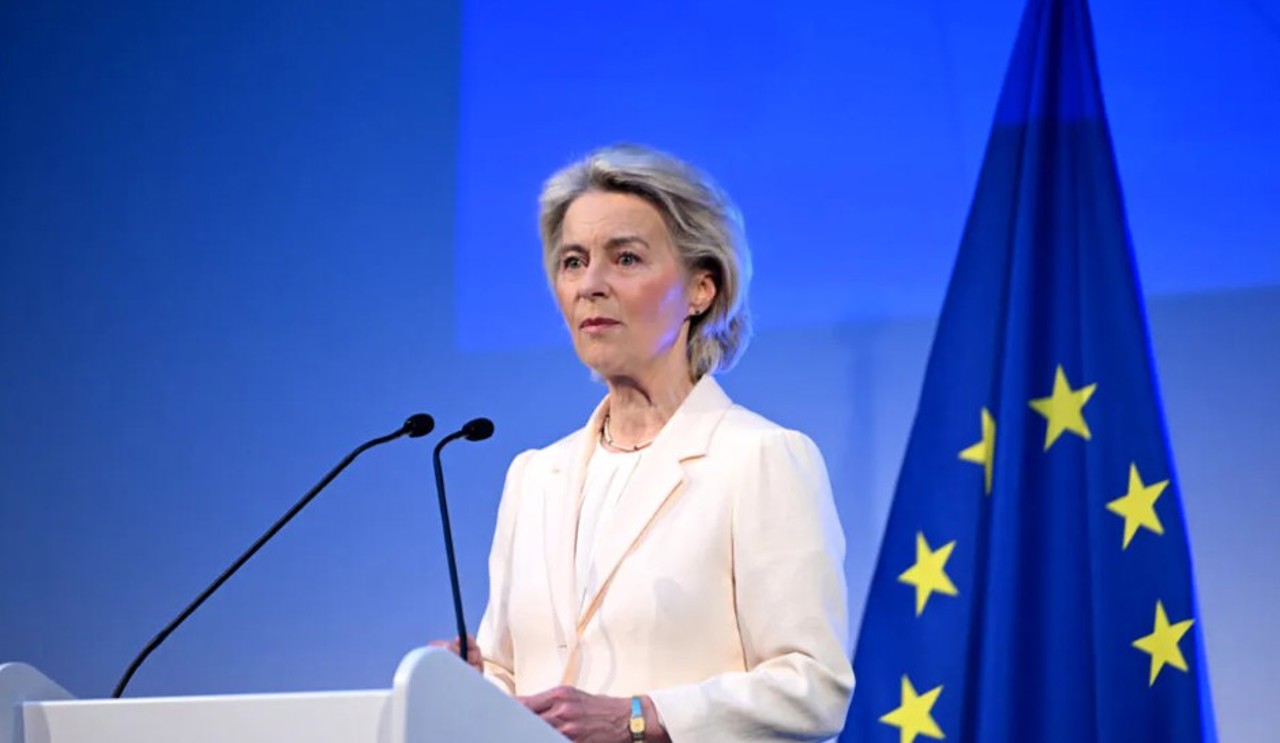
In September 2022, Commission President Ursula von der Leyen pledged to reform the energy market. She aimed to end the dominant influence of gas on electricity prices. On 11 March 2026, as Middle Eastern tensions spiked energy costs, she reiterated the urgency of this goal.
Significant shifts have occurred in gas sourcing. Russian imports, which accounted for 45% of the total in 2022, have fallen to 13%. The EU's target to phase out Russian gas entirely by October 2027 remains on track, despite potential resistance from Hungary and Slovakia.
Renewables vs. Market Reality
Progress in the electricity sector is more visible but yields mixed results. By 2025, wind and solar power generated 30% of EU electricity, surpassing fossil fuels at 29%. Total renewable output, including hydro and bioenergy, reached 48%.
When combined with a stable 23% share from nuclear energy, over two-thirds of EU power now comes from domestic sources. Theoretically, this should shield the continent from the impacts of the war in Iran.
Regional price disparities
However, the link between gas and electricity prices persists in major economies. In March 2026, average power prices in Italy and Germany reached €136 and €100 per megawatt-hour, respectively. In contrast, prices in Spain and France remained stable at €55 and €61.
To replace Russian supply, the EU opened 11 new liquefied natural gas (LNG) terminals, increasing import capacity by a third. While this prevents shortages, it has traded one dependency for another. The United States now provides over a quarter of EU imports, leaving European industry exposed to global price volatility.
Translation by Iurie Tataru