Moldova’s rail sector remains 'most difficult' chapter in EU bid
Moldova is making steady progress in aligning its transport sector with European Union standards, yet the process faces significant structural vulnerabilities and implementation gaps.
A new annual evaluation report, presented in Chisinau on March 24, warns that the rapid pace of reform is clashing with a critical shortage of technical experts and limited administrative capacity. While legislative alignment is advancing, the "Transport Community" international organization emphasizes that practical application remains the primary hurdle.
Implementation vs. legislation
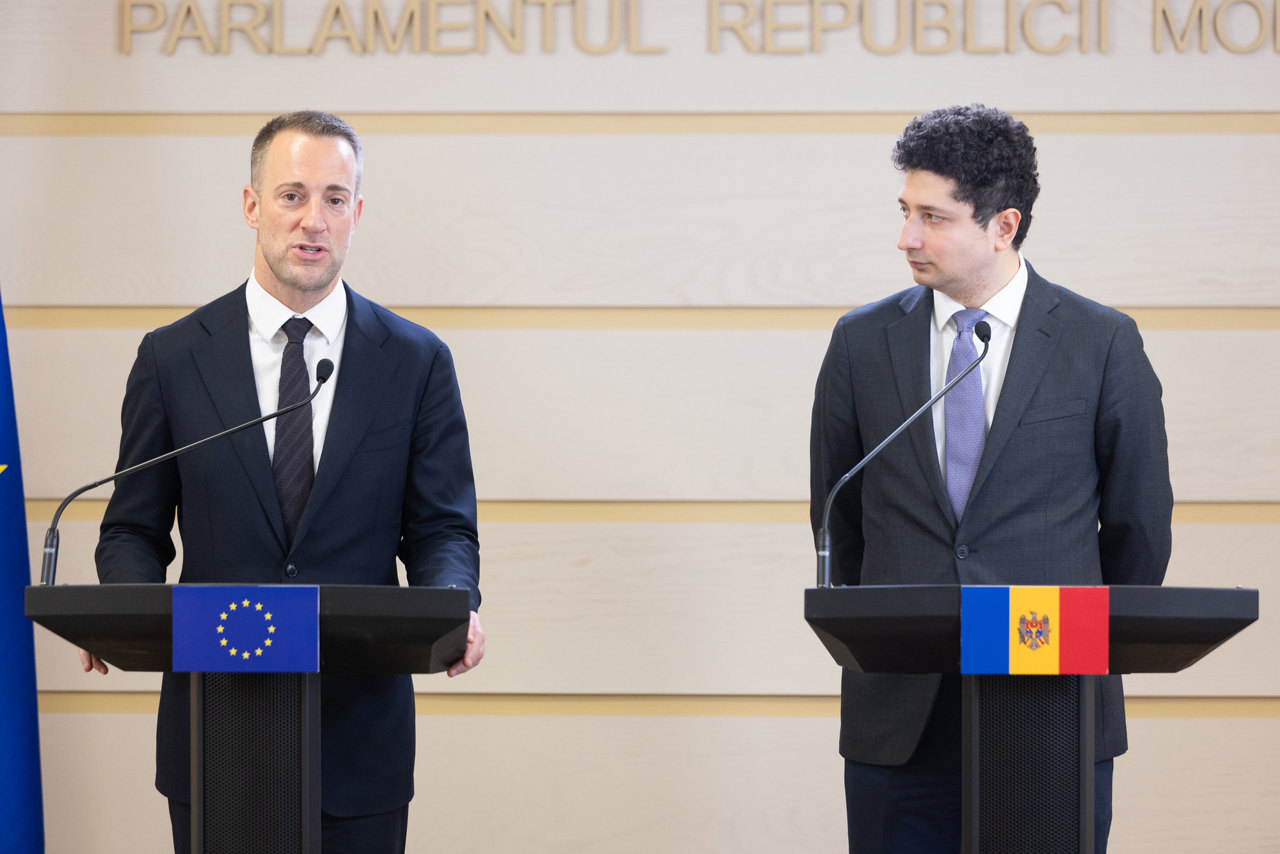
"Progress is constant, particularly in preparing smart transport systems for roads, rail, and maritime sectors," said Matej Zakonjšek, Director of the Permanent Secretariat of the Transport Community. "However, it is not just about adopting laws; it is about a deep reform of the entire sector where all institutions must move in the same direction."
Zakonjšek noted that the lack of qualified personnel is the most pressing challenge. He stressed that institutional capacity-building is vital in areas that have faced systemic neglect over the last few decades.
The rail challenge
The report identifies the railway sector as the most complex chapter in Moldova’s EU integration. This area requires both sweeping structural restructuring and massive infrastructure investment to deliver results for citizens.
Radu Marian, head of the Moldovan Parliament's economy committee, stated that the evaluation helps guide strategic investments. Moldova currently manages two major rail projects and five road projects aimed at modernizing the system.
"EU support must translate into tangible benefits," Marian said. "These strategic projects are essential for meeting European safety and infrastructure standards."
Regional connectivity
The Transport Community also highlighted that Moldova’s infrastructure planning must be viewed through a regional lens. Efficient border crossings and integrated networks with neighboring countries are essential for the system to function.
Moldova participates in this evaluation mechanism as an observer state, alongside Georgia and Ukraine, as part of its broader push for EU membership.
Translation by Iurie Tataru