Pakistan brokers last-minute truce to reopen Strait of Hormuz amid regional volatility
The United States and Iran have secured a 14-day humanitarian and strategic ceasefire. The agreement followed intense negotiations concluded only minutes before a final ultimatum issued by President Donald Trump expired.
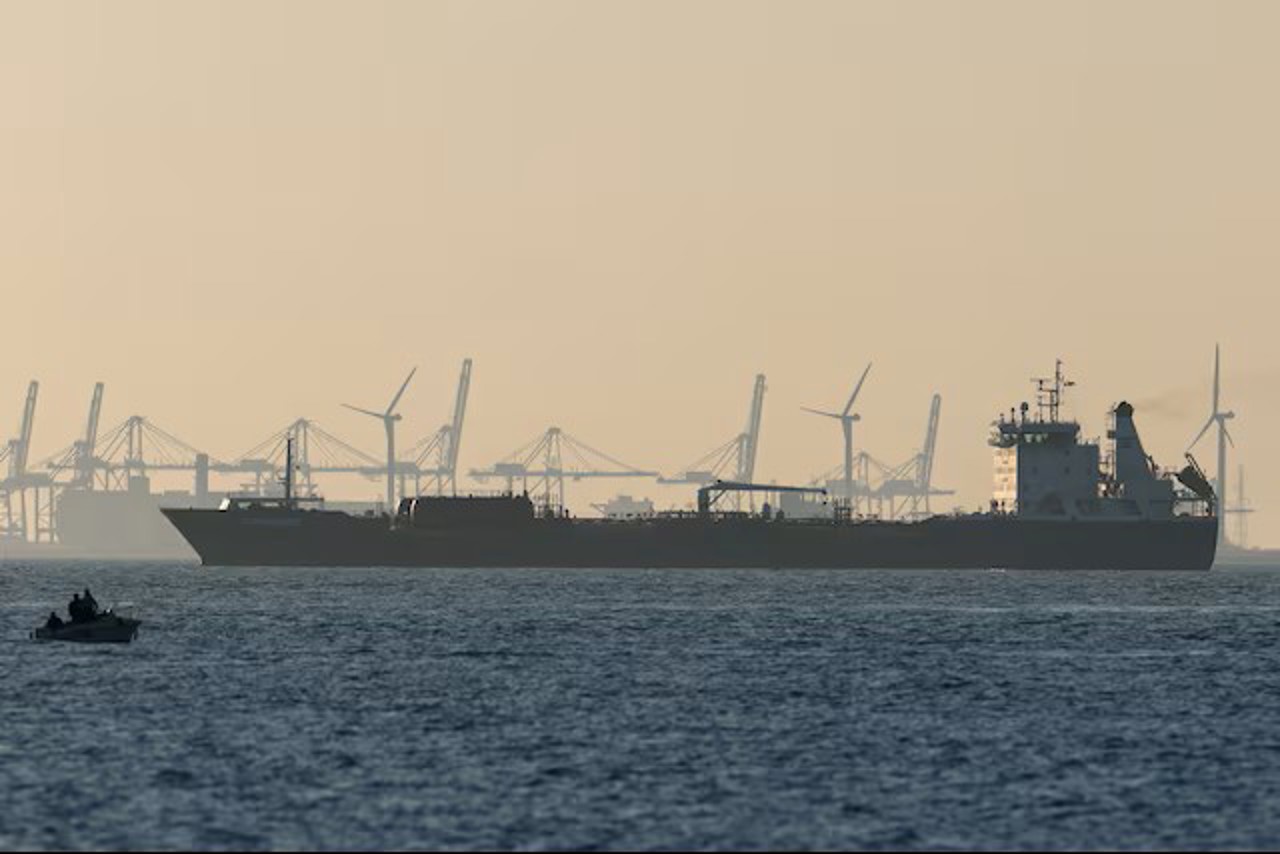
President Trump confirmed the suspension of scheduled airstrikes against Iranian targets. This de-escalation remains strictly contingent upon Tehran immediately unblocking the Strait of Hormuz, a chokepoint responsible for 20% of global oil and liquefied natural gas (LNG) transit.
"I have agreed to suspend strikes on Iran for two weeks to finalize a broader deal," Trump stated via social media. The President described a new 10-point proposal received from Tehran as a "viable baseline for negotiations."
Iranian Foreign Minister Abbas Araghchi and the Supreme National Security Council confirmed the truce and the reopening of maritime traffic. However, Iranian state media characterized the move as a diplomatic victory, framing it as Washington’s acceptance of Tehran’s core demands.
The deal was finalized through "shuttle diplomacy" led by Pakistan. Prime Minister Shehbaz Sharif announced the ceasefire took effect immediately, noting the agreement was signed just ten minutes before the U.S. military intervention was set to begin.
Despite the official truce, the regional security environment remains precarious. Air raid sirens were activated across Israel, the UAE, and Saudi Arabia today, with the IDF reporting the interception of several missiles launched from Iranian territory.
The Netanyahu administration expressed conditional support for the U.S. decision. Israeli officials clarified that the ceasefire does not extend to operations in Lebanon, where confrontations with Hezbollah militants continue unabated.
The blockade of the Strait of Hormuz has severely disrupted global trade since late February. While oil prices began to retract following the announcement, market analysts note they remain significantly higher than pre-conflict levels.
Tehran’s 10-point proposal reportedly includes demands for a regional end to hostilities, the total lifting of sanctions, and the unfreezing of national assets. The document also seeks security guarantees and the recognition of Iran's civil nuclear program, with direct talks proposed in Islamabad within 15 days.
Translation by Iurie Tataru