Record 100 tons of food recovered in nationwide solidarity campaign
The paradox of food waste reaches a critical point in Moldova during the Easter holidays. While half of the population struggles to afford a basic food basket—costing roughly €143 (approx. 2,800 MDL)—the nation discards between 1.1 and 1.5 million food portions every day.
Record-breaking recovery efforts
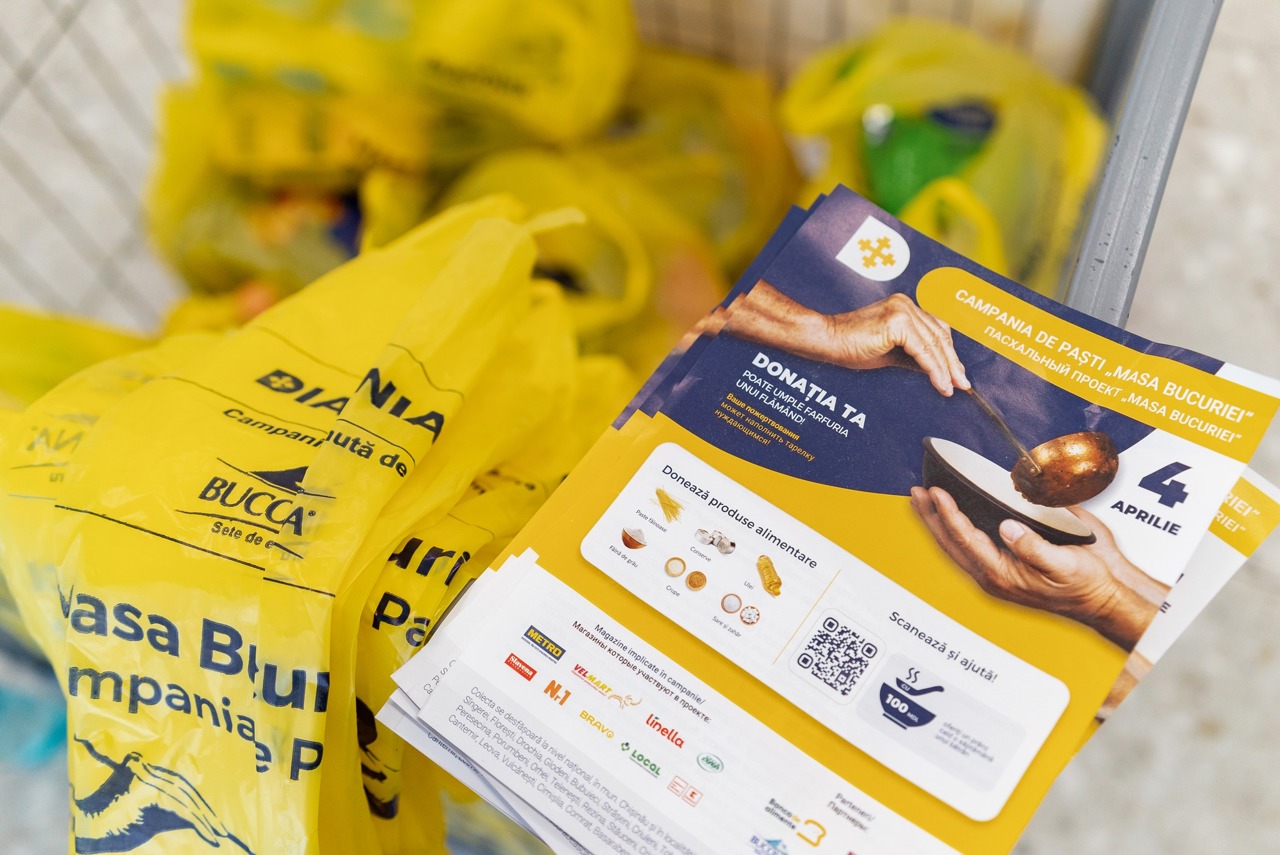
The "Masa Bucuriei" (Table of Joy) campaign, organized by the "Diaconia" Social Mission, recently marked a historic milestone. Over 1,300 volunteers across 156 collection points recovered nearly 100 tons of food in a single day to support the vulnerable.
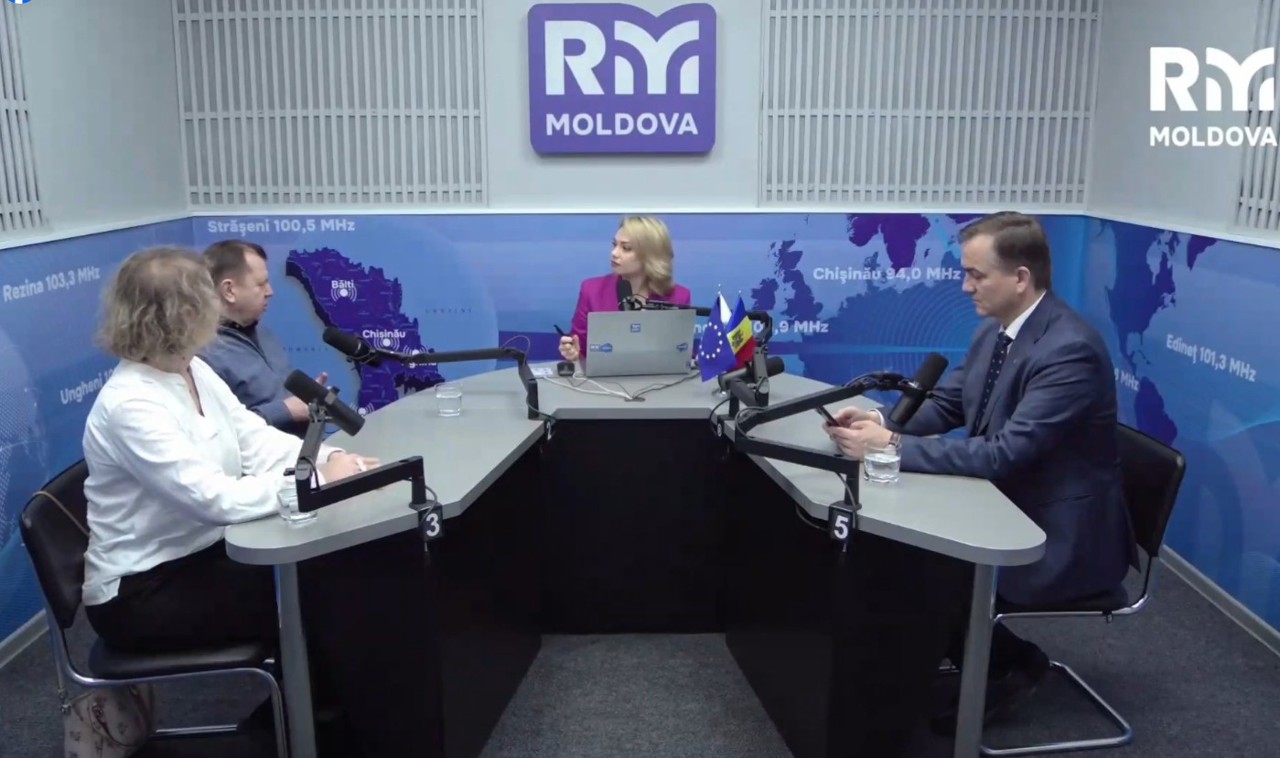
Igor Belei, Executive Director of Diaconia, noted a 50% increase in parish involvement this year. He emphasized that while the campaign cannot bridge the entire poverty gap, it serves as a vital call for community solidarity.
Shifting corporate responsibility
The Food Bank of Moldova is spearheading the transition from waste to redistribution. Director Oleg Paraschiv reported that 33 tons of food were recovered in the first quarter of 2026 alone, all of which were redirected to social services.
"Businesses are increasingly prioritizing social responsibility over pure profitability," Paraschiv stated. This shift is crucial, as current data from IDIS Viitorul shows that Moldova wastes 180,000 tons of food annually, with only 0.15% currently being recovered.
Institutional and diplomatic support
Social kitchens remain the frontline defense against hunger. One foundation, supported by the Embassy of the Sovereign Order of Malta, provides 300 daily meals and home deliveries for the elderly.
Strict safety protocols are maintained, accepting only packaged products with visible expiration dates and certificates of conformity. This ensures that aid meets high-quality standards before reaching those in critical health situations.
Education as a long-term solution
The Food Bank has partnered with the Ministries of Education and Agriculture to integrate anti-waste guidelines into schools. By educating children on responsible consumption, the initiative aims to change household behaviors across generations.
"It is about how we manage food in our own homes," Igor Belei concluded. Through these combined efforts, surplus food is being transformed from waste into a source of dignity and support for Moldova's most vulnerable citizens.
Translation by Iurie Tataru