Constitutional strain and regional risk: The geopolitical fallout of Operation Epic Fury
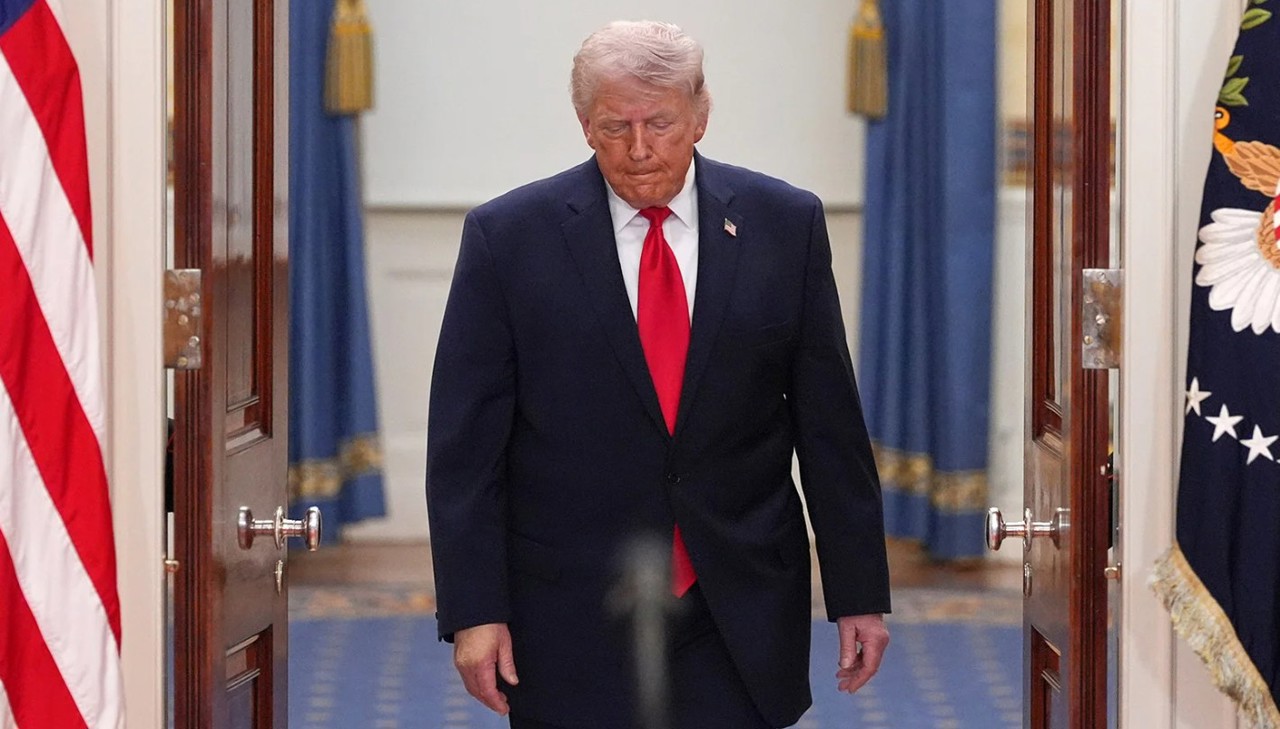
President Donald Trump has initiated "Operation Epic Fury" against Iran, a military escalation that marks a radical departure from the strategic restraint of his predecessors.
Pavel Sharikov, a senior researcher at the Russian Academy of Sciences, warns that this high-stakes gamble comes as the Republican Party's domestic influence faces significant volatility ahead of the 2026 midterms.
Internal dissent and intelligence gaps
The operation’s onset was marred by the high-profile resignation of Joe Kent, head of the National Counterterrorism Center. Kent’s public departure corroborated claims that Iran posed no immediate national security threat, suggesting the U.S. was "drawn into" the conflict by regional interests.
Meanwhile, the White House has requested an unprecedented defense budget hike to €1.42 trillion, up from the previous €950 billion. Analysts suggest up to €190 billion of this increase is earmarked specifically for the Iranian theater.
Congressional resistance and the "Gang of Eight"
Secretary of State Marco Rubio recently briefed the "Gang of Eight"—the bipartisan leadership of Congressional intelligence committees—amid rising skepticism. Democratic leaders within the group have since publicly challenged the administration, asserting that the military force used was disproportionate to the actual threat.
National Intelligence Director Tulsi Gabbard and CIA leadership faced rigorous questioning during recent public hearings. Despite the pressure, intelligence officials remained tight-lipped, citing classified protocols while warning that a failure to topple the Iranian regime could have "catastrophic consequences."
Leadership under fire
Defense Secretary Pete Hegseth is facing intensified calls for resignation. Reports suggest his briefings to the President have led to multiple tactical missteps, fueling criticism that his background as a media personality did not prepare him for the complexities of the Pentagon.
As the conflict becomes a focal point for the 2028 presidential race, Vice President J.D. Vance and Secretary Rubio are navigating a delicate balance. While Rubio maintains a hawkish stance, Vance has adopted a more restrained rhetoric, wary of the economic fallout from rising fuel prices.
Precarious truce
A recently announced two-week ceasefire has provided a temporary reprieve. While Democrats view the halt as a path toward de-escalation, the White House maintains it is a tactical component of a broader strategy, leaving the door open for a potential ground invasion.
Translation by Iurie Tataru