Moldova eyes sweeping election reforms: AI labeling and Gagauzia governance at the forefront
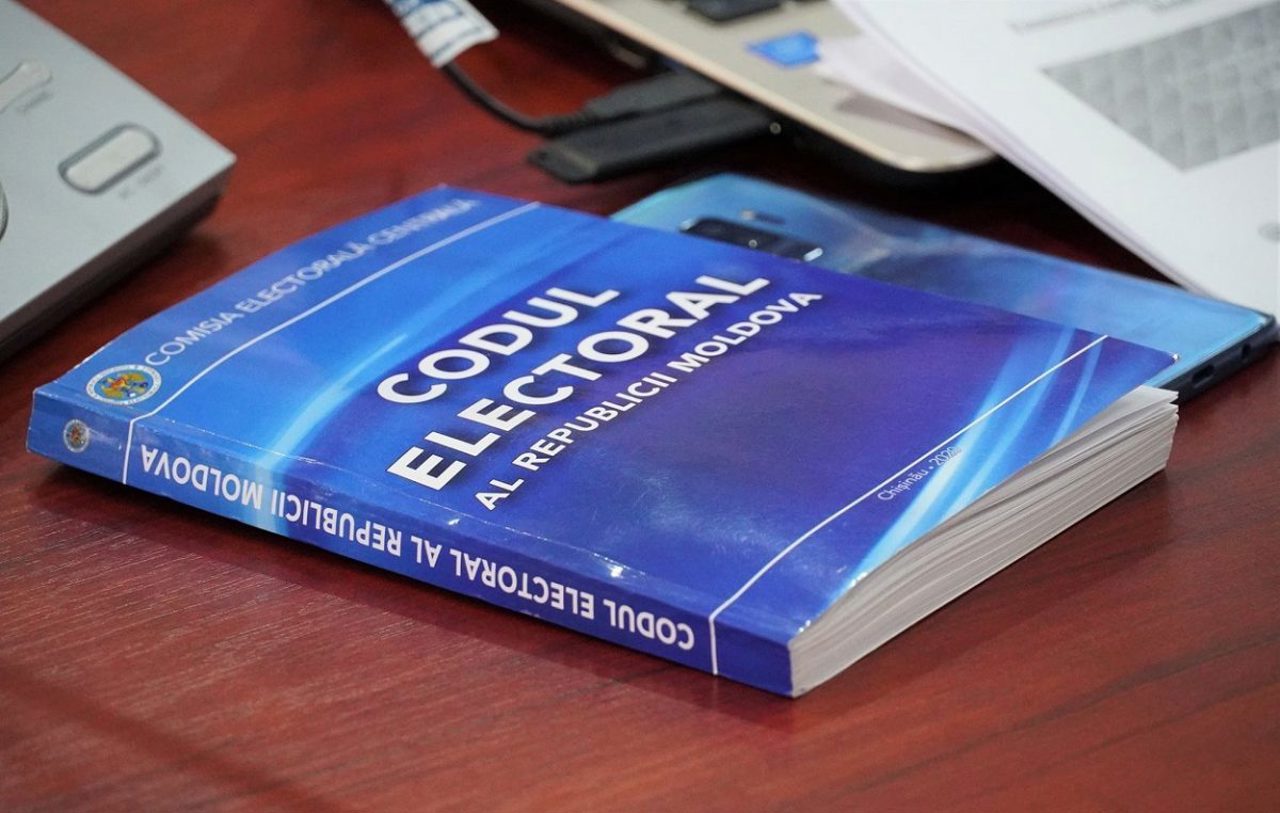
Moldova is set to modernize its legal framework to combat online manipulation and synchronize regional elections with national standards. Following public consultations on April 15, the Central Electoral Commission (CEC) unveiled proposed amendments to the Electoral Code designed to safeguard democratic integrity.
The reform, developed alongside the International Republican Institute and Promo-LEX, introduces stringent regulations for the digital landscape. A key provision mandates that all election-related content generated or significantly altered by Artificial Intelligence must carry a visible "AI-modified" label.
Securing the digital frontier
Under the new rules, electoral competitors must disclose all social media accounts and messaging app channels used for campaigning. This move aims to curb "coordinated inauthentic behavior," a tactic frequently used in disinformation campaigns to sway public opinion through shadow networks.
Furthermore, online advertising agencies will be required to publish transparent terms of service, including pricing and targeting principles. These measures are intended to eliminate dark money and ensure that digital influence is traceable and accountable.
Harmonizing Gagauzia’s electoral standards
The proposed changes also address the Autonomous Territorial Unit of Gagauzia. The region’s Central Election Council is expected to shrink from nine to seven members, with appointments streamlined across local judicial and executive branches to ensure professional alignment with national protocols.
Eligibility criteria for regional leadership will also tighten. Candidates for the Governor (Bashkan) position must be at least 35 years old, possess a university degree, and demonstrate proficiency in both the Gagauz and Romanian languages. Additionally, a 10-year residency requirement within the autonomy will be enforced.
Oversight of third-party influence
To prevent external interference, the CEC proposes a legal definition for "third parties." Organizations or individuals who are not official candidates but campaign for or against specific political themes must now register with the CEC and adhere to strict financial reporting limits.
The reform also introduces "alternative voting methods," including postal voting and multi-day polling options. To ensure stability, the core rules of the electoral system—such as voting rights and dispute resolution—cannot be modified within one year of an election.
Translation by Iurie Tataru