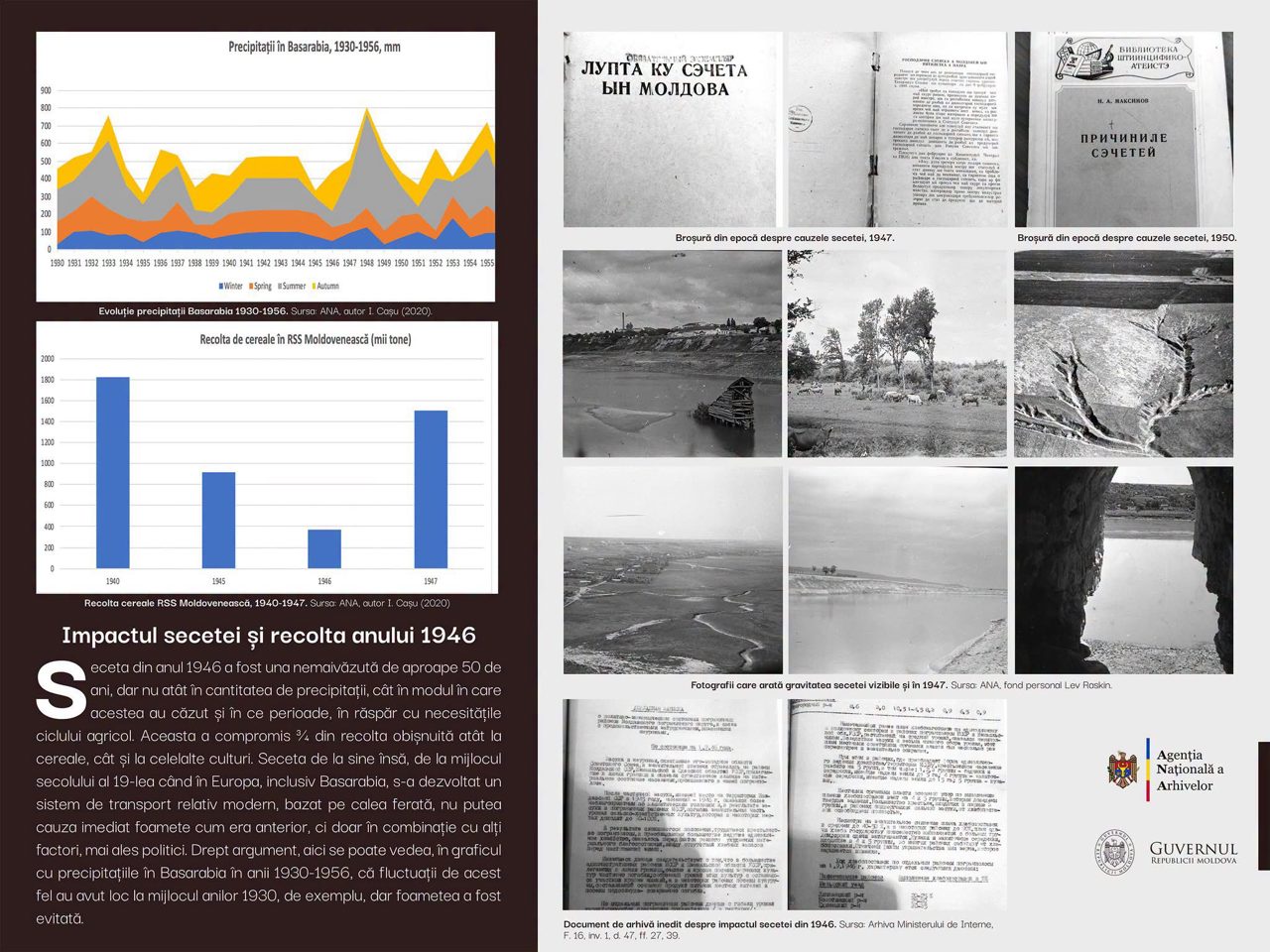
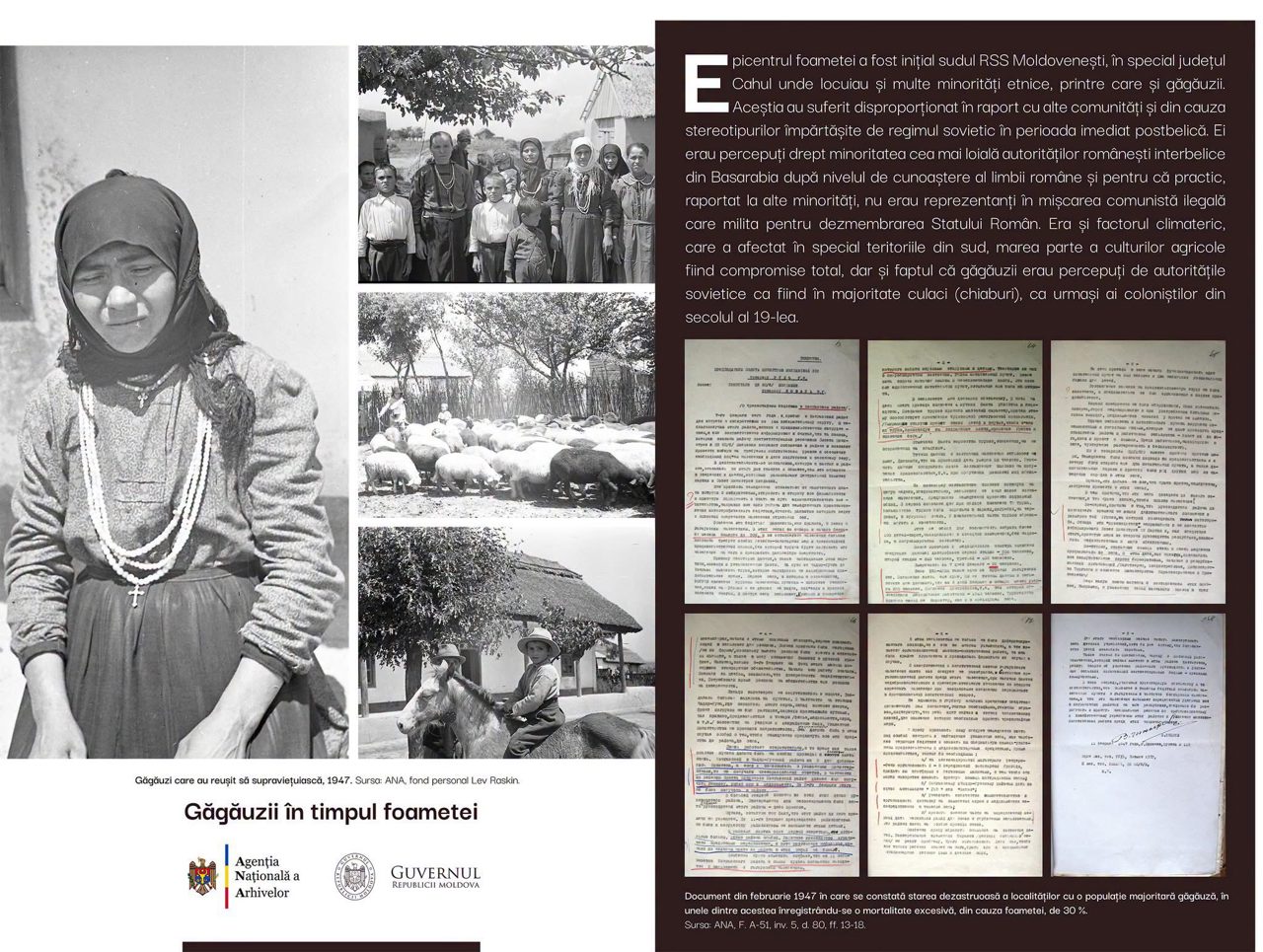
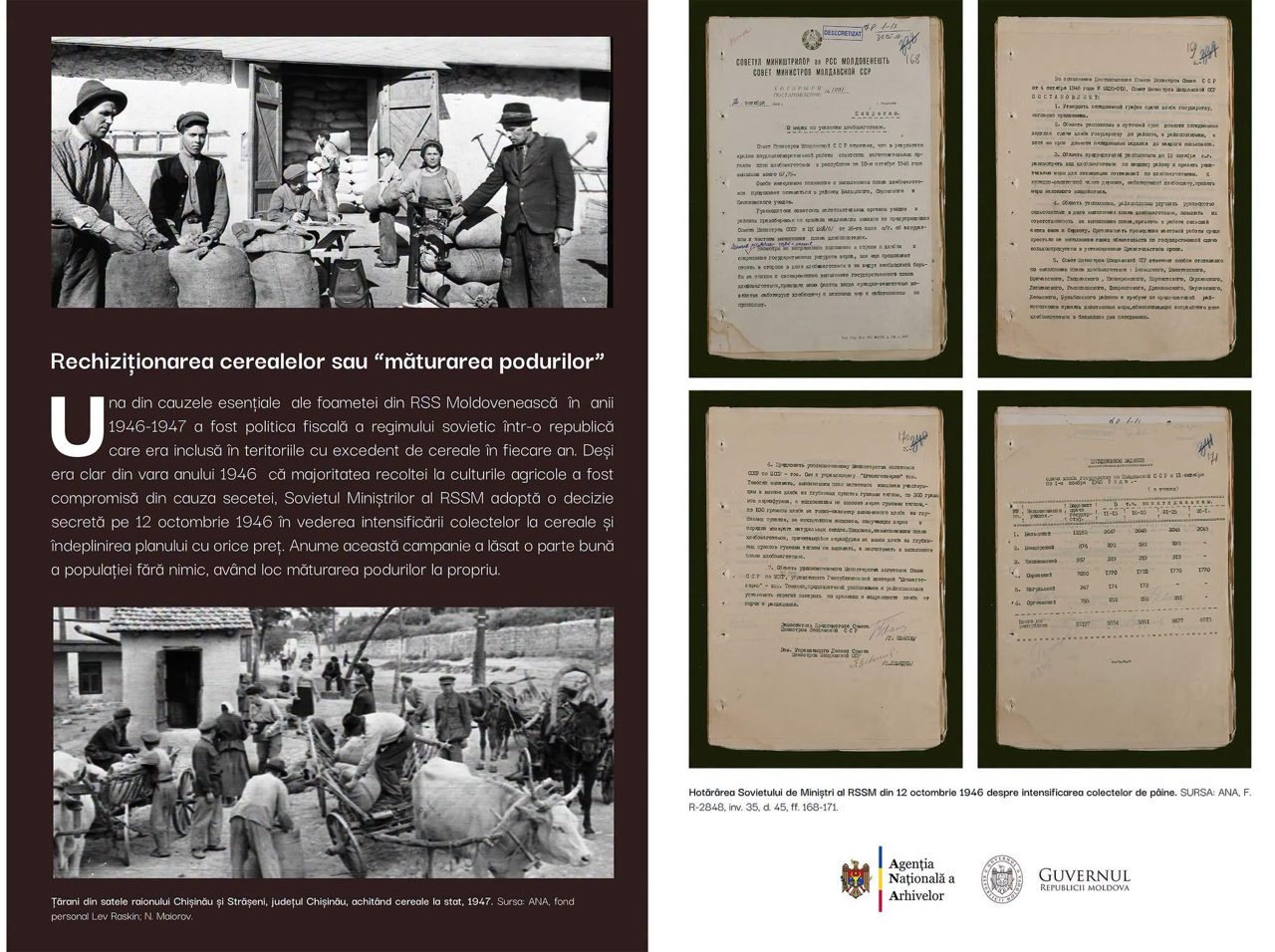
Exhibition on the 1946–1947 famine with documents, photos, maps, and graphics
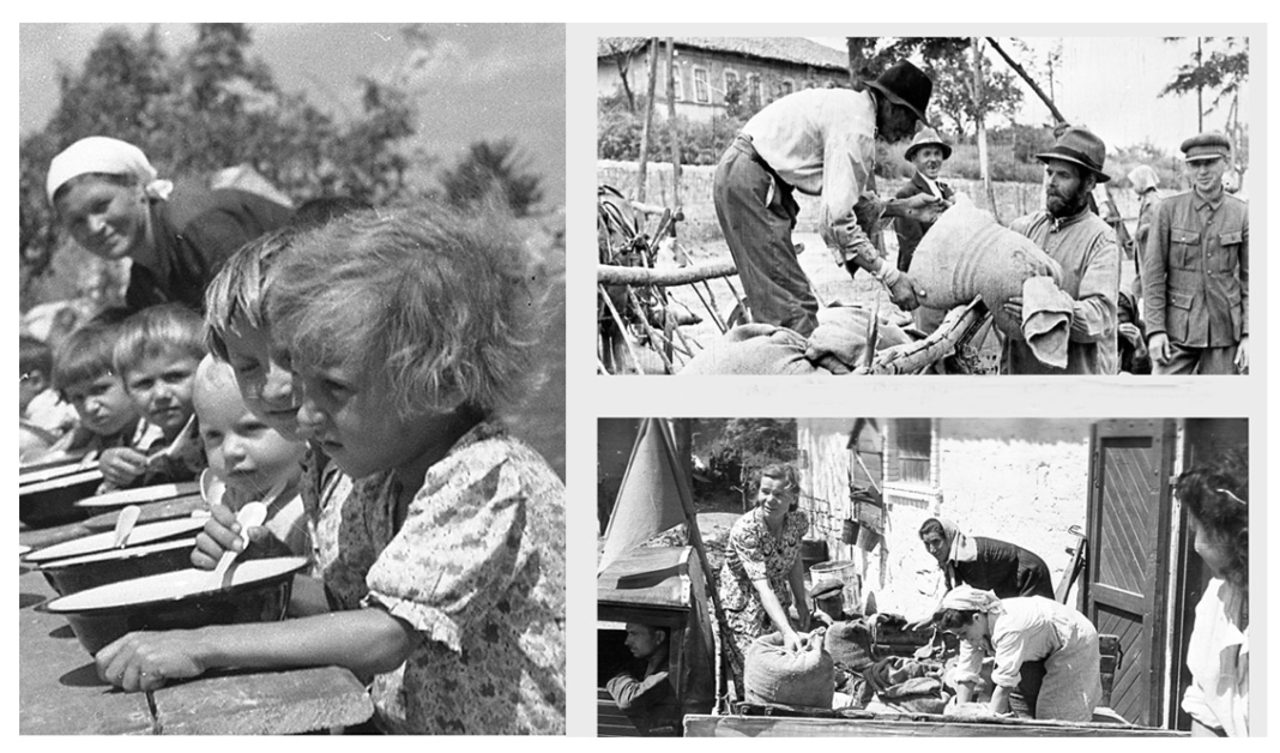
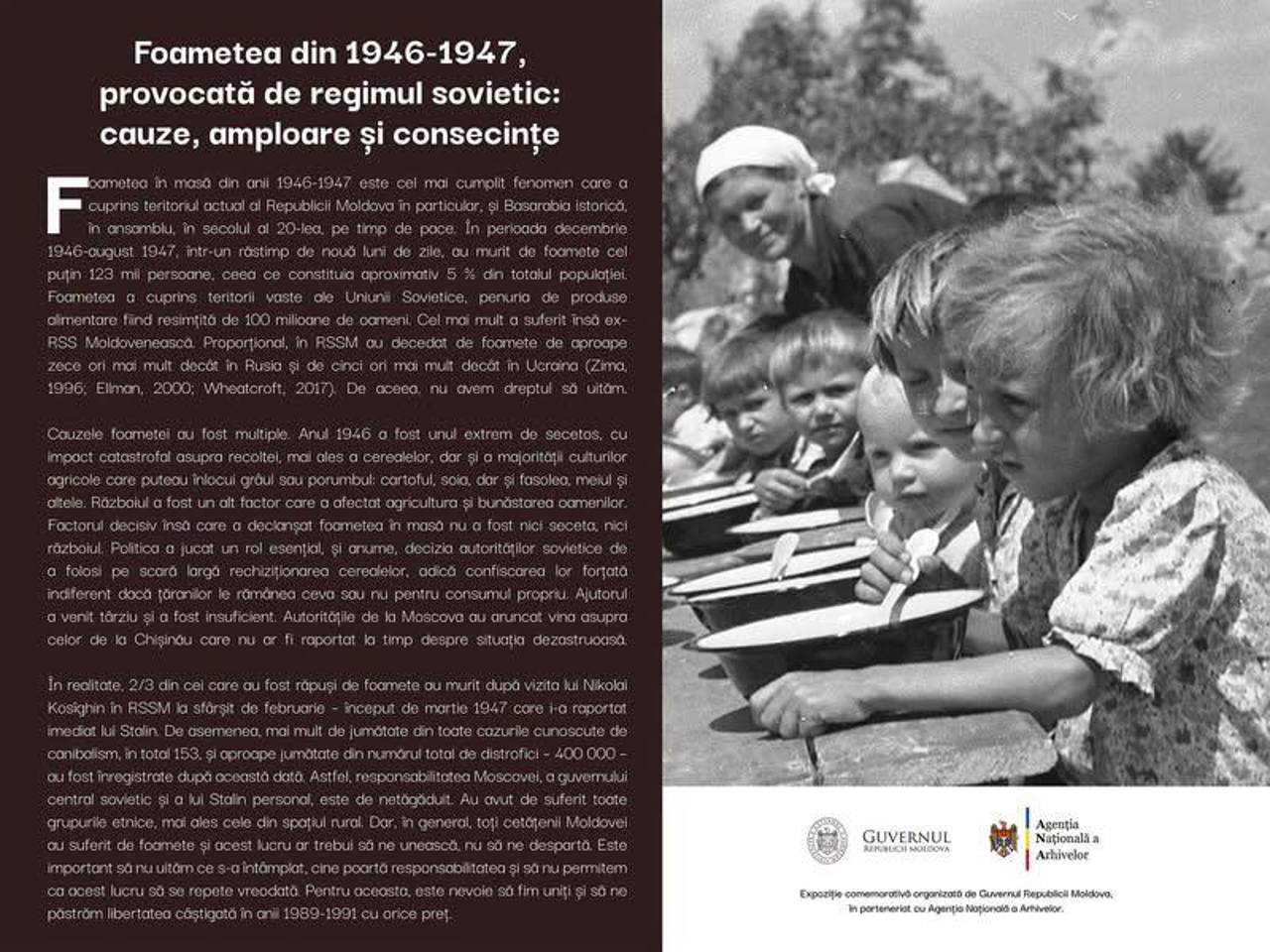
In an online exhibition, citizens can view eleven thematic posters along with an introductory poster that outlines the context and key causes of the 1946-1947 famine.
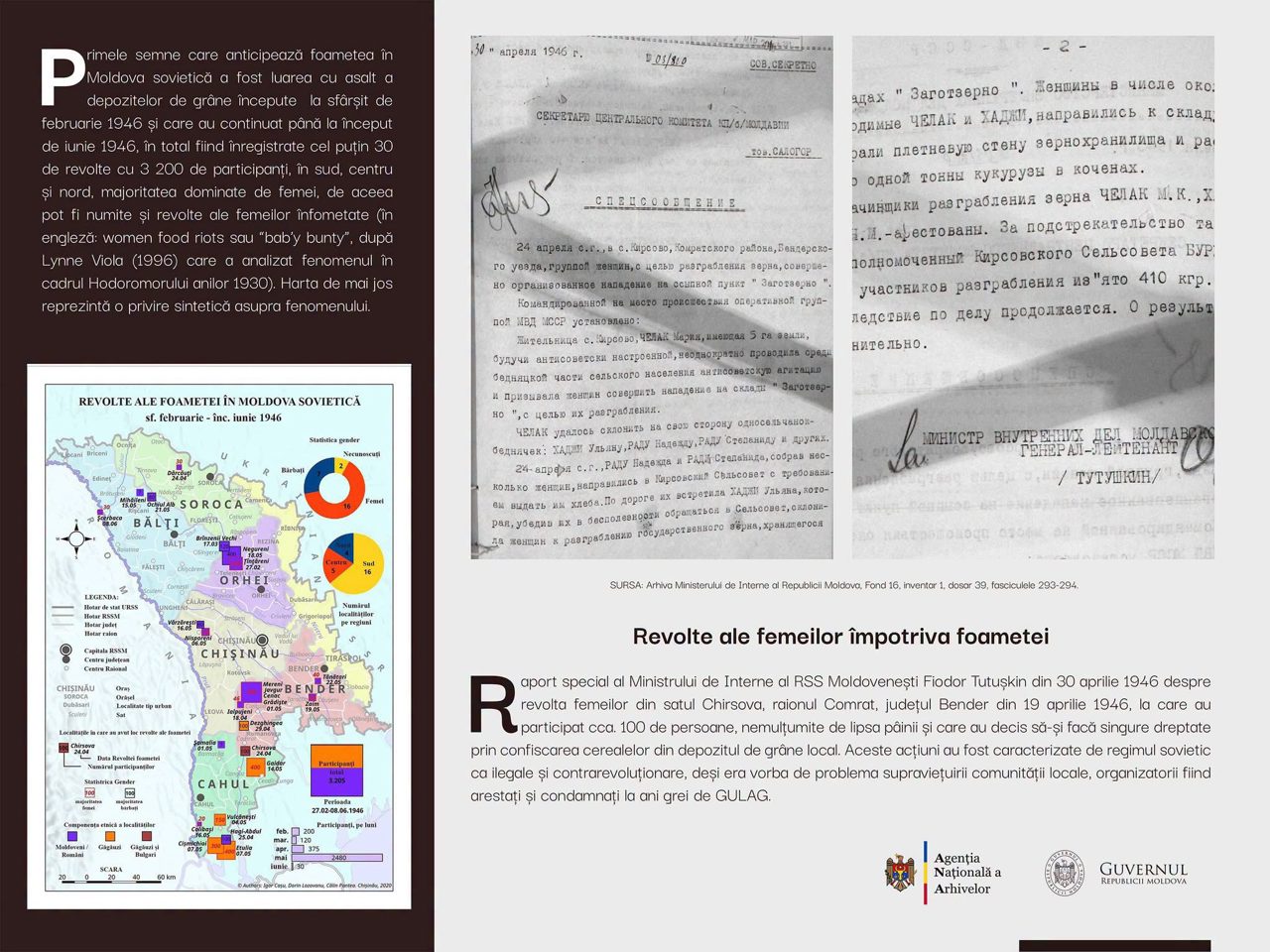
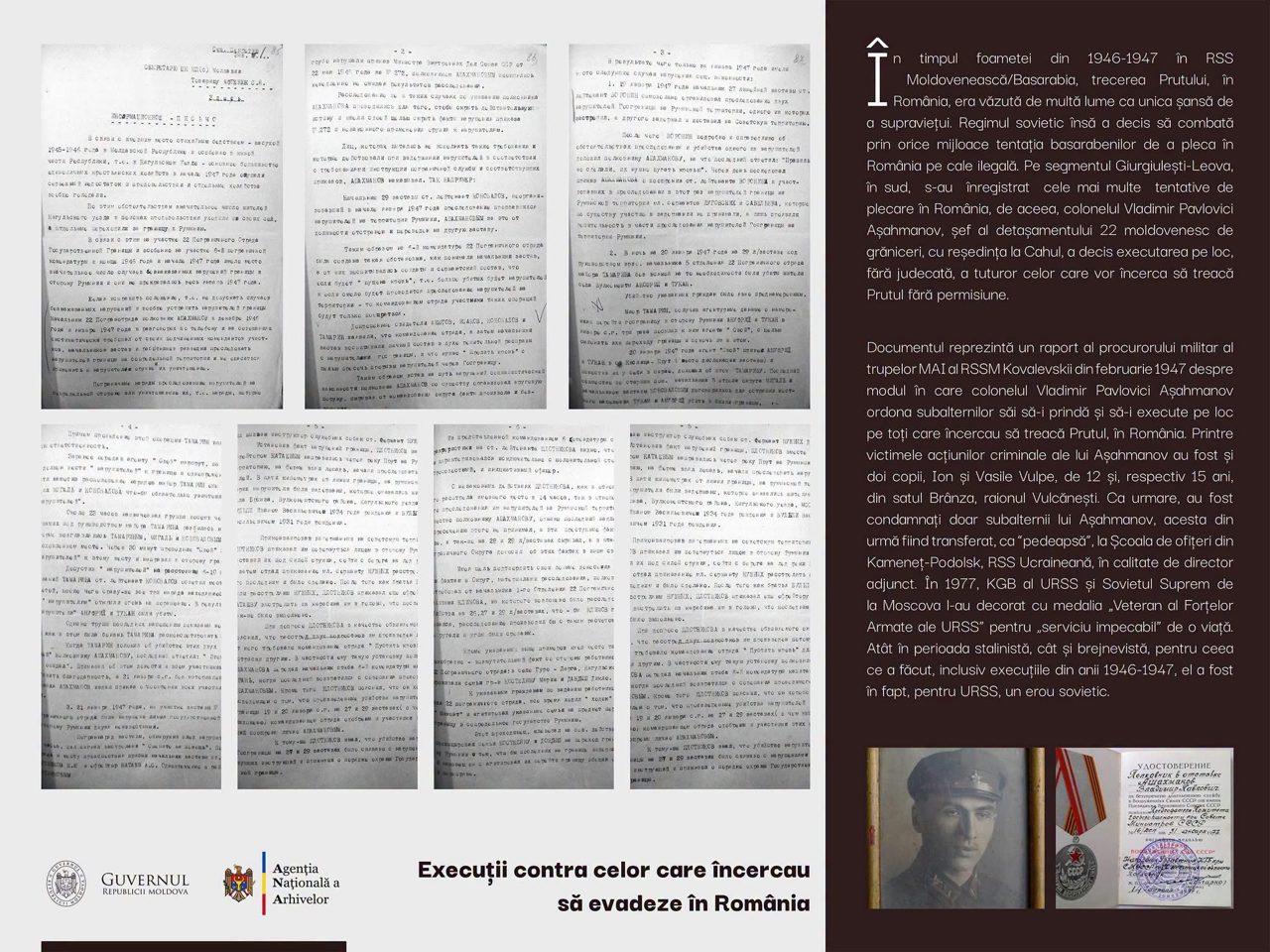
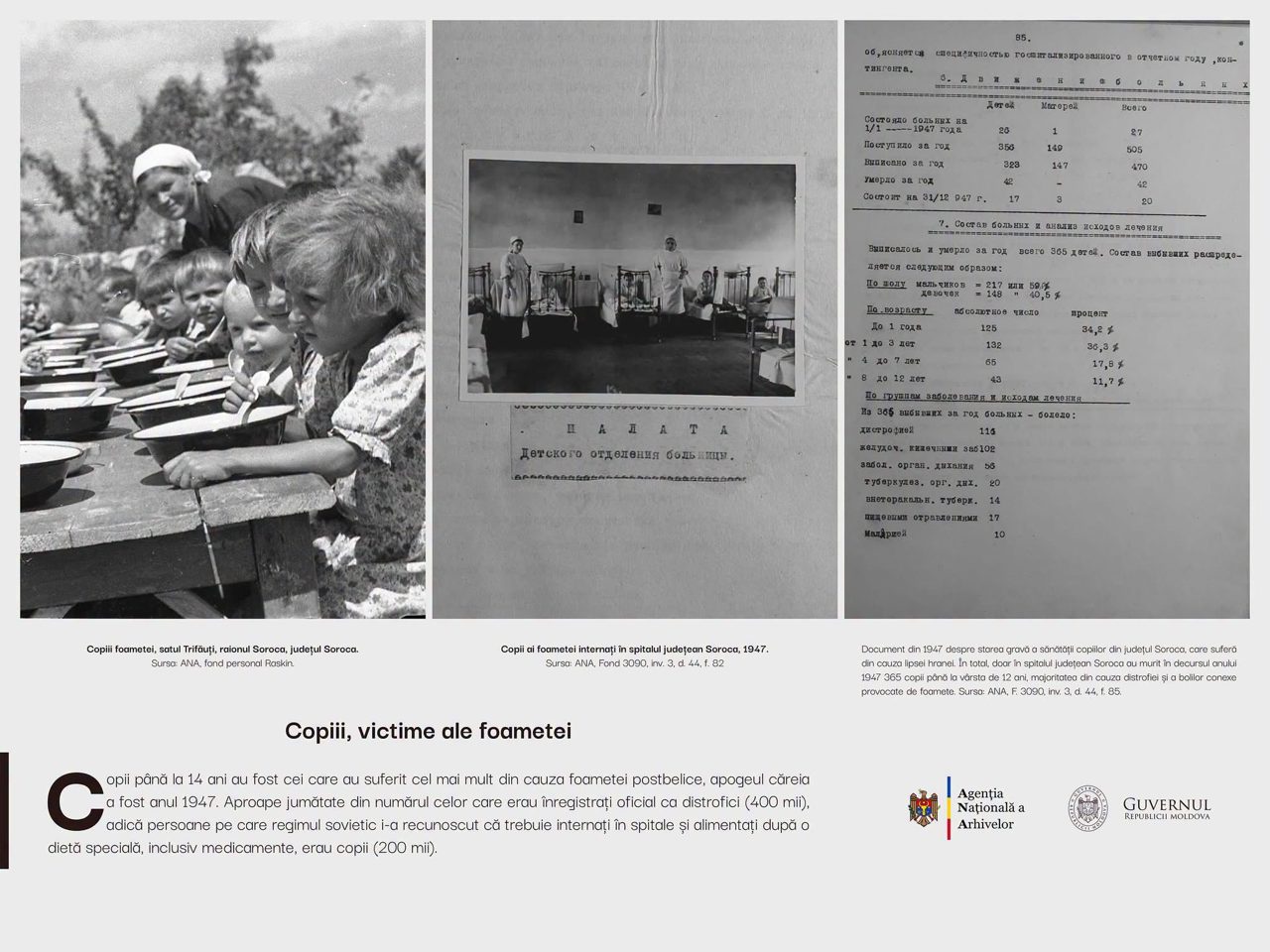
The exhibition explores the major aspects of the famine, focusing on several key themes. It highlights the mass protests by women in the spring of 1946, who desperately demanded bread to feed their families. It also addresses the suffering of children during this period, the impact of the famine on the Gagauz minority, the phenomenon of sweeping bridges, and the violent enforcement of the border, where anyone attempting to cross the Prut into Romania in search of food was shot on sight without any formality.
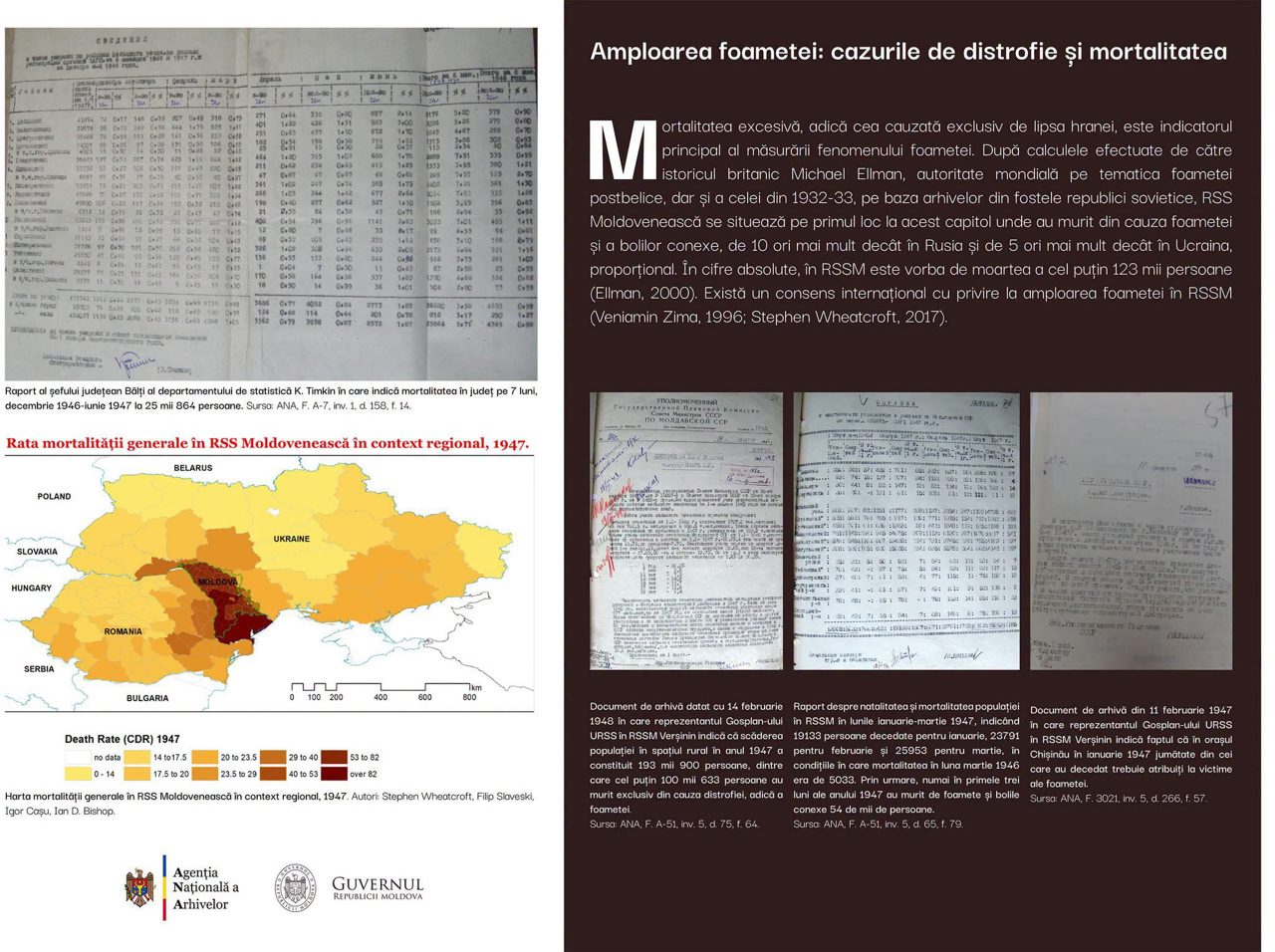
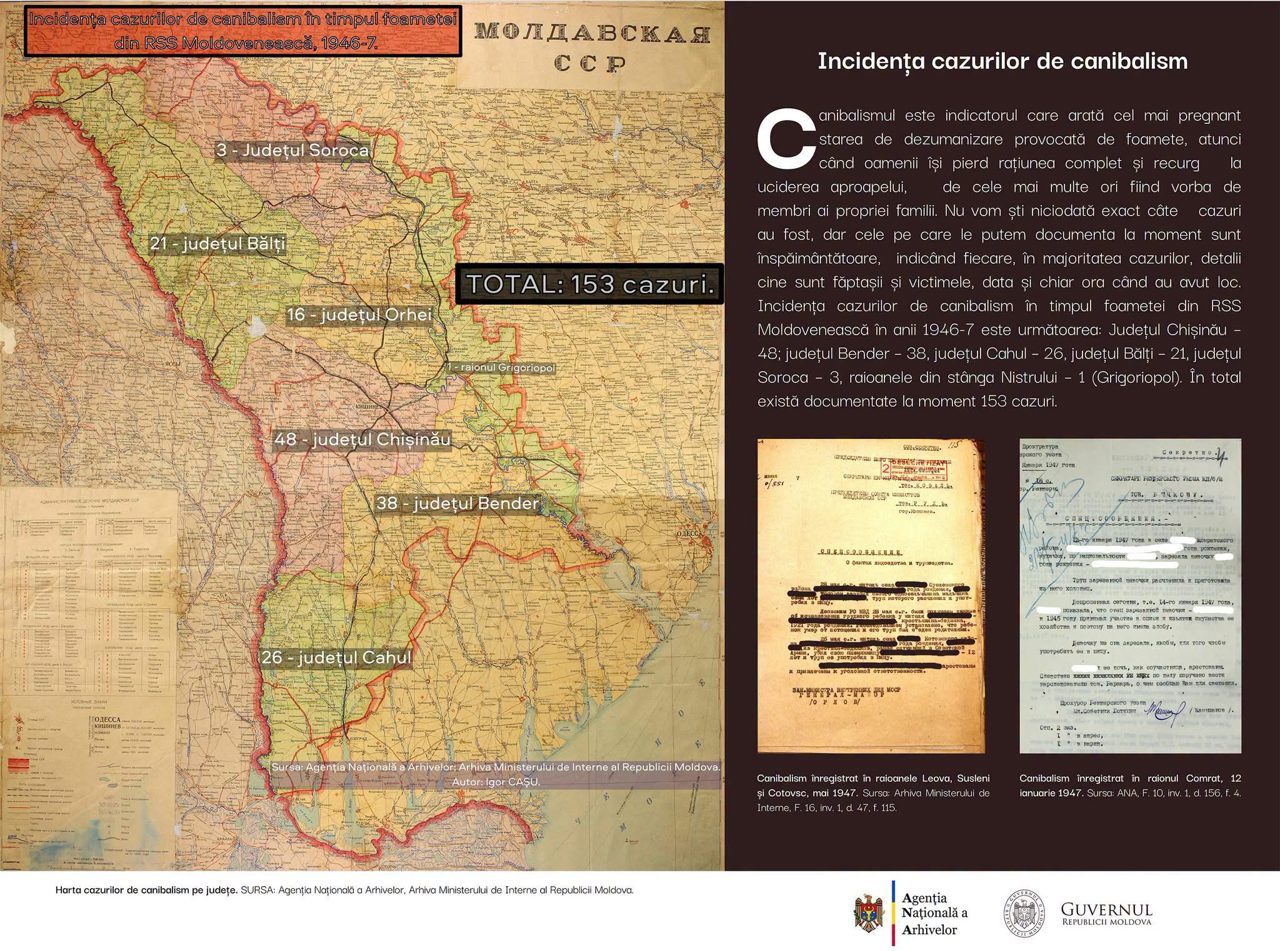
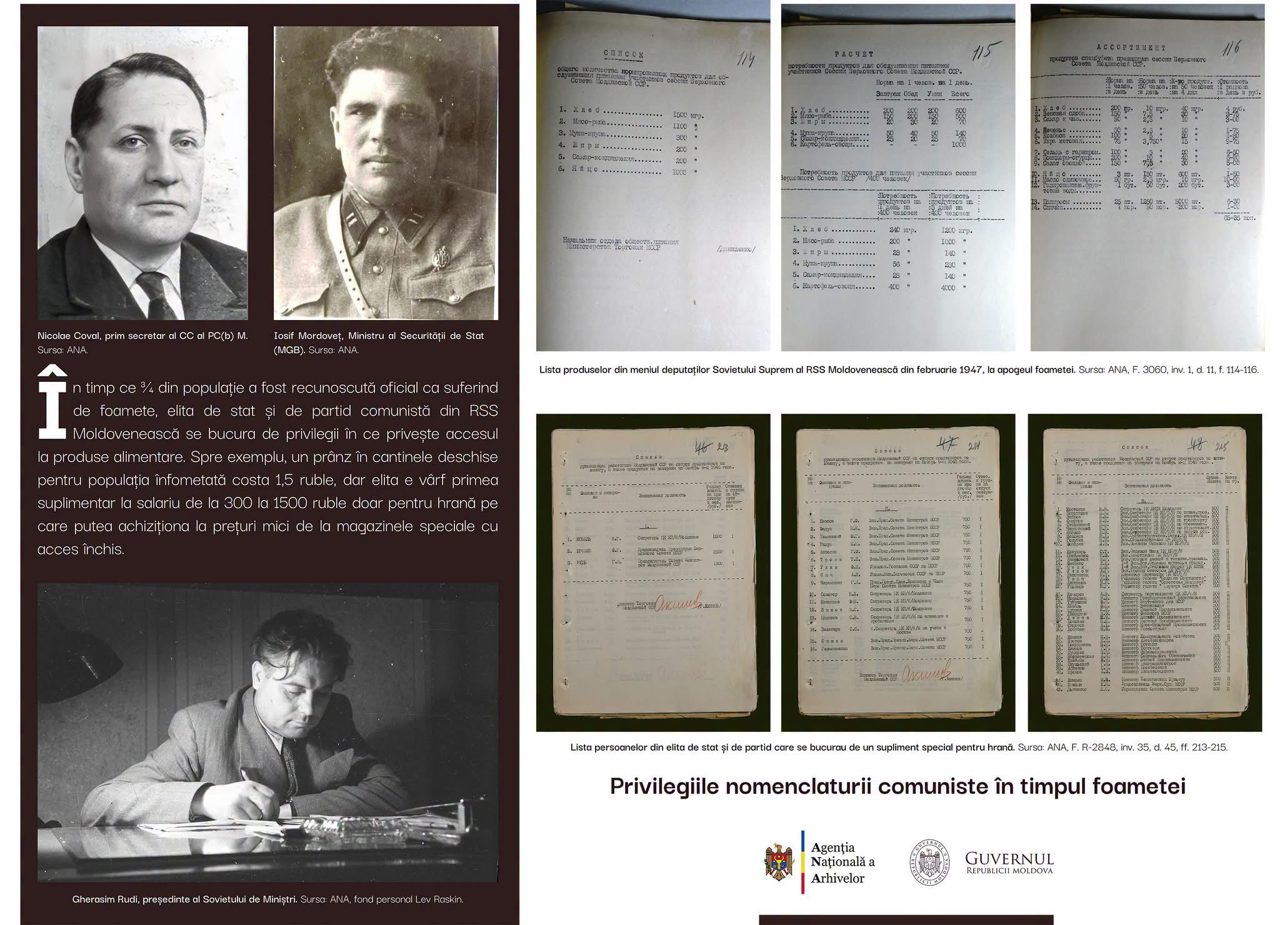
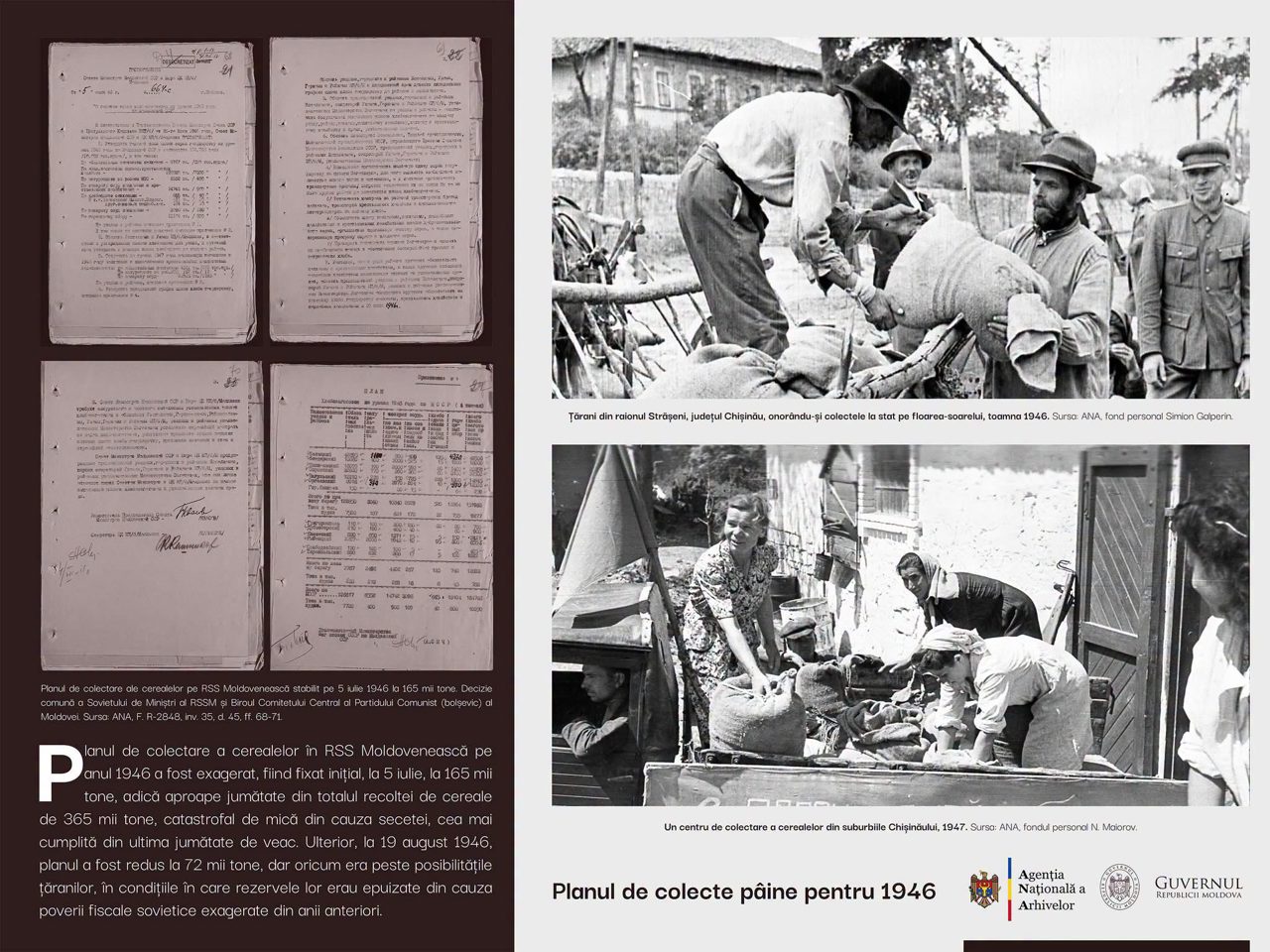
The materials presented in the exhibition are diverse, including paper documents, period photographs, maps, and graphics. These materials are derived from primary sources housed in the National Archives Agency and, in some cases, from the archives of the Ministry of the Interior.
The exhibition emphasizes the significant role of the political factor and the Soviet regime—particularly the authorities in Moscow and those in Chisinau—in the disastrous handling of this humanitarian catastrophe. The famine led to the immediate death of approximately 130,000 to 135,000 people due to malnutrition and disease, and it also resulted in at least 153 documented cases of cannibalism.
There is a broad international consensus that the post-war famine was the deadliest in the Moldovan SSR, with a death toll proportionally ten times higher than in Russia and five times higher than in Ukraine.
The commemorative exhibition titled "Famine of 1946-1947, caused by the Soviet regime: causes, extent, and consequences," is the result of collaboration between the National Archives Agency (ANA) and the Government of the Republic of Moldova.