Dining with the dead: A pre-Christian tradition survives in Eastern Europe
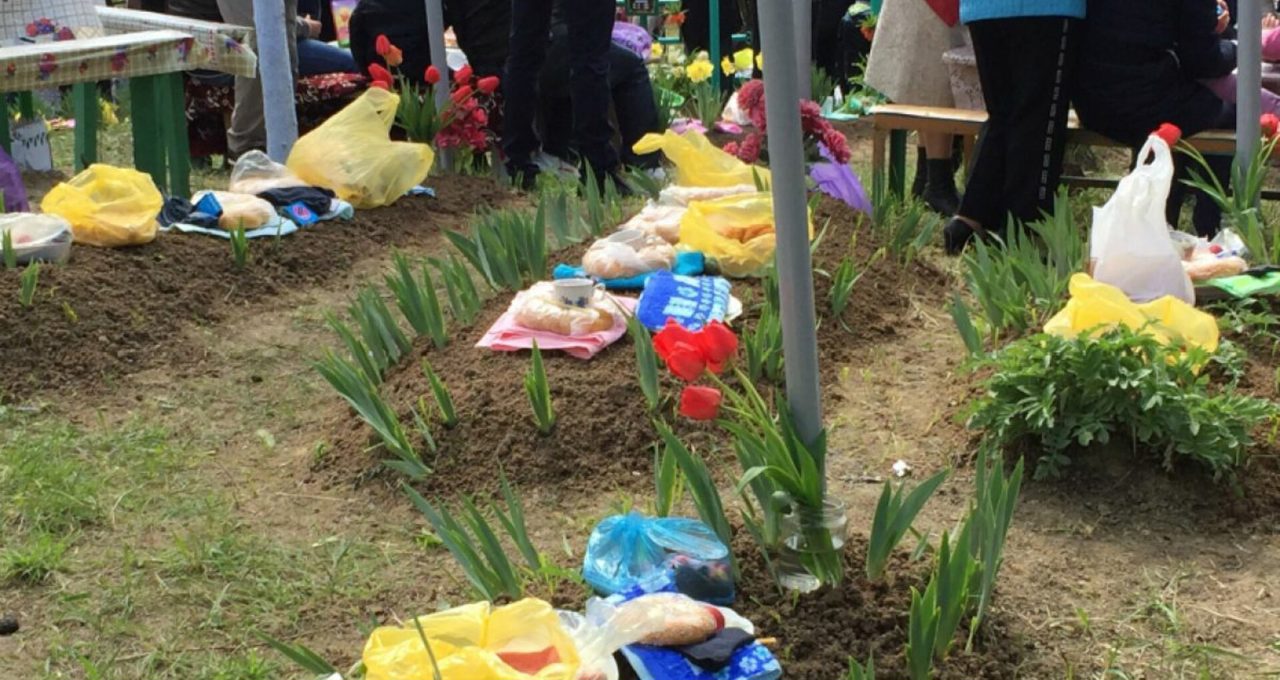
Easter of the Blajini is a celebration that seems to have grown directly from the soil, inseparable from the village and its graveyard. Unlike the globalized traditions of Christmas, this Eastern Orthodox ritual maintains an opaque, ancient intimacy with death.
In Moldova and parts of Romania, death is not a definitive border but a social extension of the community. Here, the living and the dead engage in a symbolic dialogue through a ritual that scholars trace back to ancient Scythian influences.
The myth of the hidden people
The term "Blajin" derives from the Old Slavonic blažĕnŭ, meaning "blessed" or "happy." In popular imagination, the Blajini (or Rohmani) are a mystical, saint-like people living at the edge of the world, near the "Saturday’s Waters."
Legend suggests these beings are so disconnected from our timeline that they only learn of Easter when the shells of dyed red eggs, thrown into rivers by the living, finally reach their shores. This poetic mechanism bridges the gap between worlds, ensuring even the "luminous ones" join the celebration of life over death.
A theological tension
The Church maintains a neutral, often wary stance toward these practices. Because the ritual lacks a formal liturgical canon, priests often perform improvised services before the community transitions to the main event: a communal feast held among the gravestones.
While modern critics point to the "kitsch" of plastic flowers and elaborate outdoor grills, the core of the event remains unchanged. It is a profound refusal to accept the finality of departure, treating the cemetery as a lively annex where the dead are briefed on the news of the world.
The joy of Radonitsa
A similar tradition, Radonitsa (from the root rad-, meaning "joy"), is observed across Russia and Ukraine. While it shares the structure of visiting graves with offerings of wine and traditional breads (colaci), it lacks the specific mythology of the Blajini.
Whether through the lens of theology or folklore, the message remains consistent: "Christ is risen." In these regions, the announcement is delivered personally to the ancestors, ensuring that the bond between generations remains unbroken by the silence of the tomb.
Translation by Iurie Tataru