Hidden danger: Tick bites can cause serious illness
Be cautious of ticks! As the weather warms up, these insects begin to invade parks and forests. Tick bites can transmit serious infectious diseases, the most well-known being Lyme disease, which can also impact the nervous system. Last year, nearly 160 cases of Lyme disease were reported.
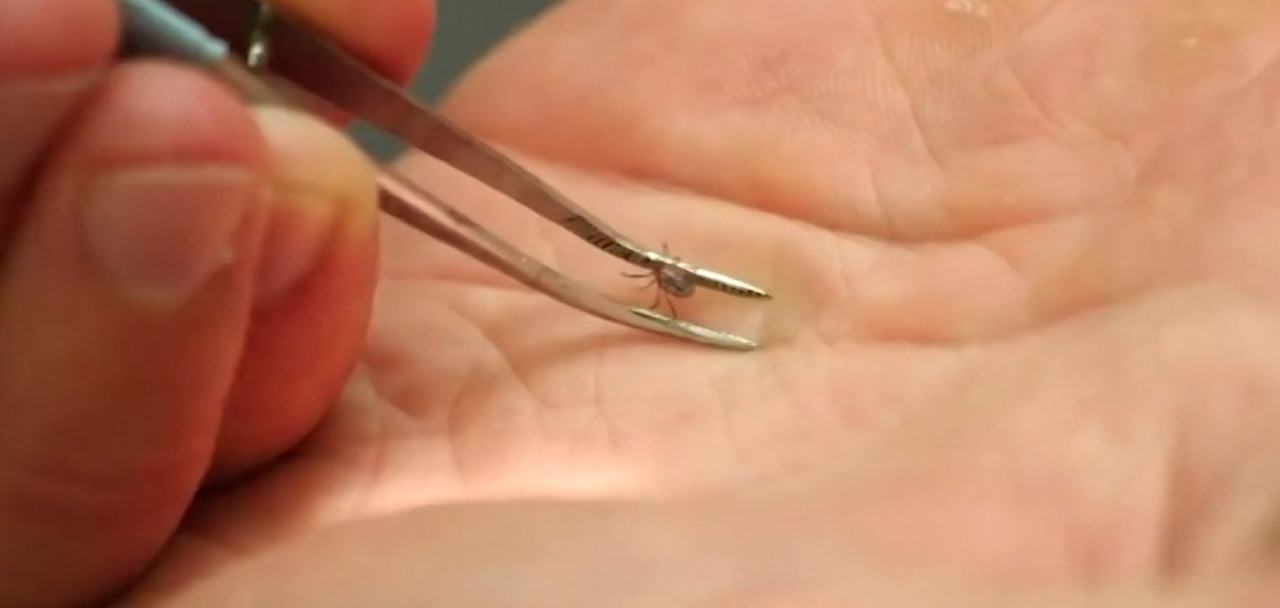
Olga Costru fell ill while working in the United States due to a simple insect bite that led to serious symptoms.
"I experienced a cold, sore throat, and fever, but the symptoms escalated to joint pain, which really alarmed me. At the time, I was 33 years old, and they gave me Paracetamol on the spot, but nothing else," says Olga Costru.
After returning to the Republic of Moldova, Olga went to the hospital again, where doctors diagnosed her with Lyme disease. Since 2022, she has been undergoing antibiotic treatment.
"I started my first course of antibiotics after 8 to 9 months, and I was told that I was in the second to third stage of the disease. Currently, I am set to undergo a few more treatments. The antibiotics themselves are not that expensive, but the treatment lasts a long time, and in addition, we need a lot of other support," explains the patient.
Ticks are small insects that are often hard to see with the naked eye. When we visit grassy areas or parks, we must be very cautious.
"In the spring, I was walking in the park and found ticks on me. This happened quite regularly. I would remove them myself using traditional methods. I would apply oil to the area and then extract them with tweezers. Usually, I discovered them before they burrowed too deeply under the skin," she mentions.
"Ticks can latch onto you while you're out for a walk, at a picnic, or even just on the road. I've encountered them several times," she adds.
When someone is bitten by a tick, a red spot appears on the body and gradually increases in size.
"Symptoms usually develop from the third or fourth day up to 30 days after the bite, so it’s important to monitor ourselves during this period. If we find a tick, we can remove it at home. We need a disinfectant solution, tweezers with a sharp end, and we should try to extract the tick as close to the skin as possible, using careful, fine movements," explains Ludmila Lungu, an epidemiologist at ANSP.
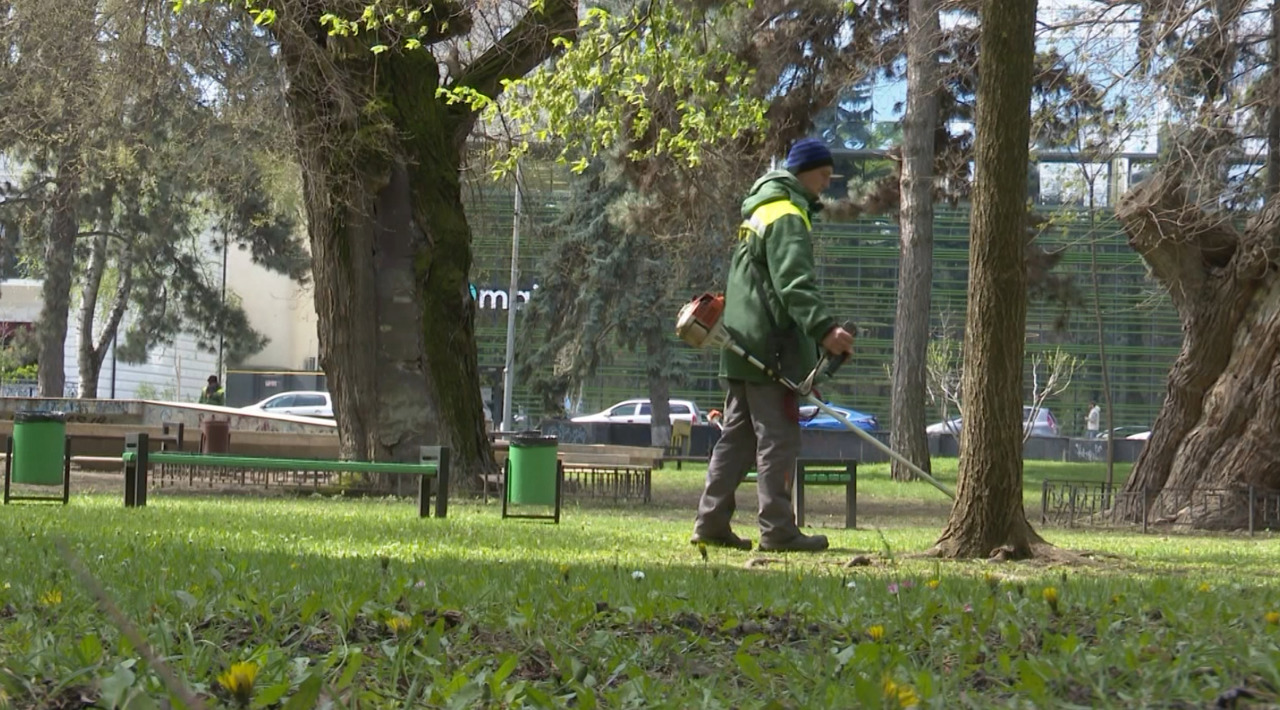
Every spring, workers from Spații Verzi take measures to control tick populations in the parks of Chisinau. They mow the lawns during the day and conduct chemical treatments at night.
"The municipal enterprise will begin its chemical treatment of green spaces after 10:00 PM using chemicals that are not harmful to people," says Victor Nichituș, spokesperson for Î.M. "Spatii Verzi".

Not all ticks carry diseases. A bite does not guarantee infection, especially if the insect has been attached to the skin for more than 36 hours. Experts emphasize the importance of monitoring the bite site.