Maia Sandu: Constitutional courts must defend democracy in the digital age
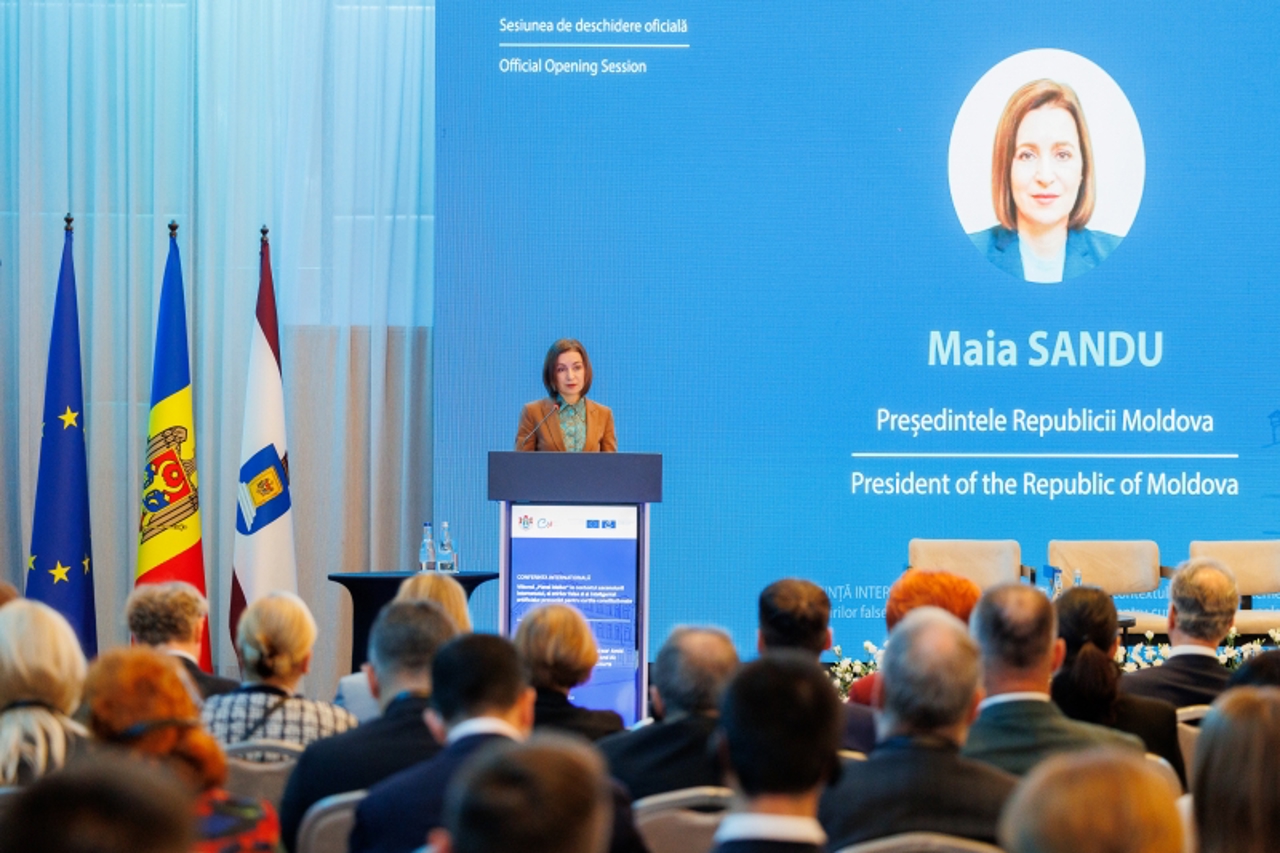
The future of democracies will hinge on the ability of institutions and societies to safeguard the truth, ensure a fair information environment, and maintain a balance between freedom of expression and security. This was emphasized by President Maia Sandu at the opening of the International Conference titled "Future of the 'Marketplace of ideas' in the context of the rise of the Internet, fake news, and Artificial Intelligence." The event, which began on Friday in Chisinau, brought together high-ranking officials and experts in constitutional law.
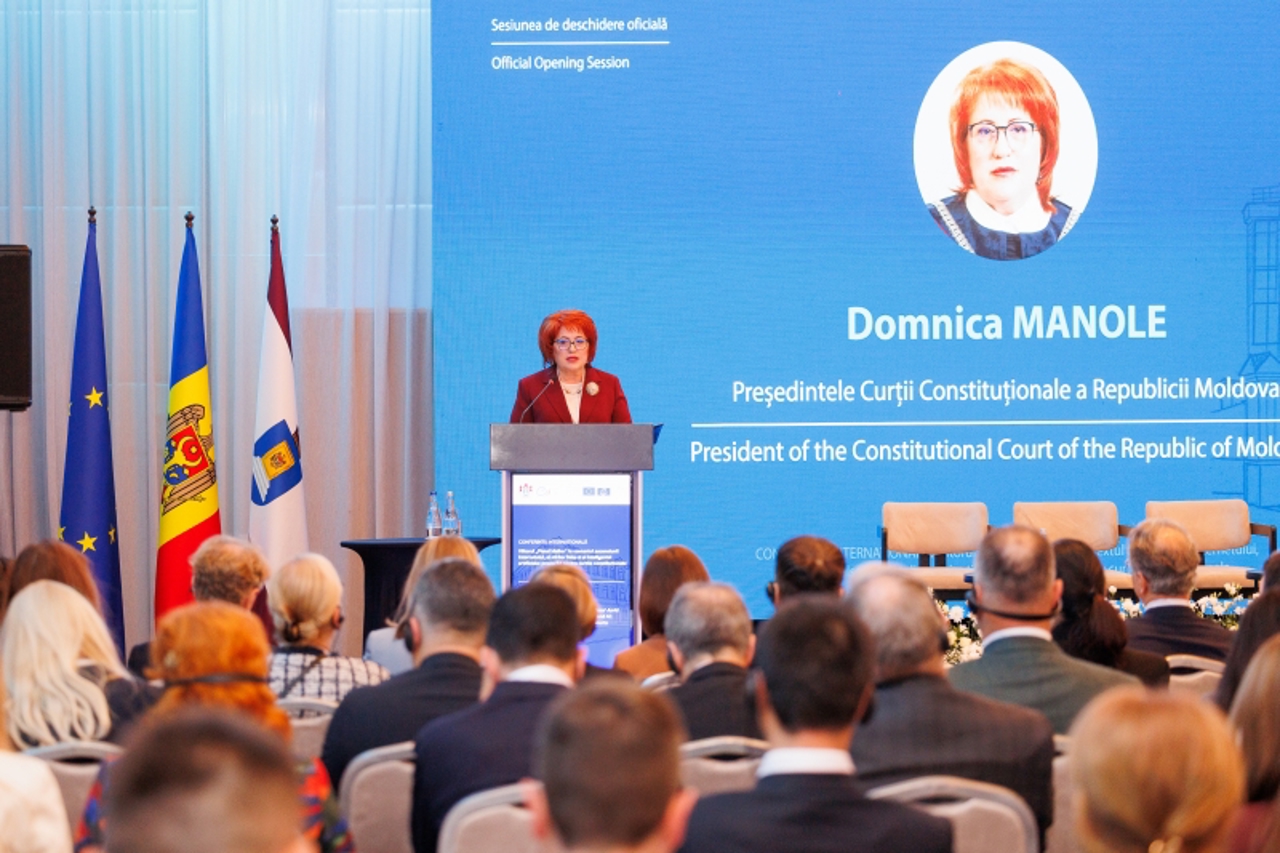
The event was opened by Domnica Manole, the President of the Constitutional Court of the Republic of Moldova, who discussed the evolution of the concept of the "marketplace of ideas" and the challenges posed by the digital environment. In her speech, she addressed the impact of artificial intelligence on the justice system, warning that such technologies can produce inaccurate or even fictitious information.
"Justice will remain a deeply human endeavor for a long time. The information provided by artificial intelligence tools can be inaccurate, incomplete, misleading, or outdated. The source materials they cite may be fabricated. Artificial intelligence can create hallucinations, meaning it can invent cases, generate fictitious legal references, or refer to non-existent legislation," she stated.
The Head of State, Maia Sandu, noted that the digital environment has fundamentally transformed public spaces, making freedom of expression increasingly susceptible to manipulation and disinformation. She emphasized the vital role of constitutional courts in defending democracy in the digital age, asserting that these courts not only protect fundamental rights but must also intervene against abuses of these rights that threaten the democratic system.
"We need to modernize our legal framework to ensure these courts effectively protect democratic values. Clear standards, strong measures, and improved cooperation among states are essential. The work being done by the Council of Europe to develop instruments to address foreign manipulation and interference is critical. This highlights the necessity of updating our democracies with modern guarantees. We must achieve tangible results, especially since the Republic of Moldova has been directly threatened by these issues", said the moldovan president.
Timothy Otty, Vice-President of the Venice Commission, stressed the importance of enhanced cooperation at the European level to address the challenges presented by the digital environment. He remarked that the global landscape has changed radically in recent decades with the rise of the internet and new technologies, which have altered the circulation of information and its influence on public opinion.
"Constitutional courts continue to be guardians of fundamental rights and the rule of law. They are bound by the principles of impartiality and independence and are committed to making rational decisions based on evidence. Their role as independent and trustworthy institutions that can hold state and private actors accountable is more crucial than ever. This is why, this conference is so important," Timothy Otty noted.
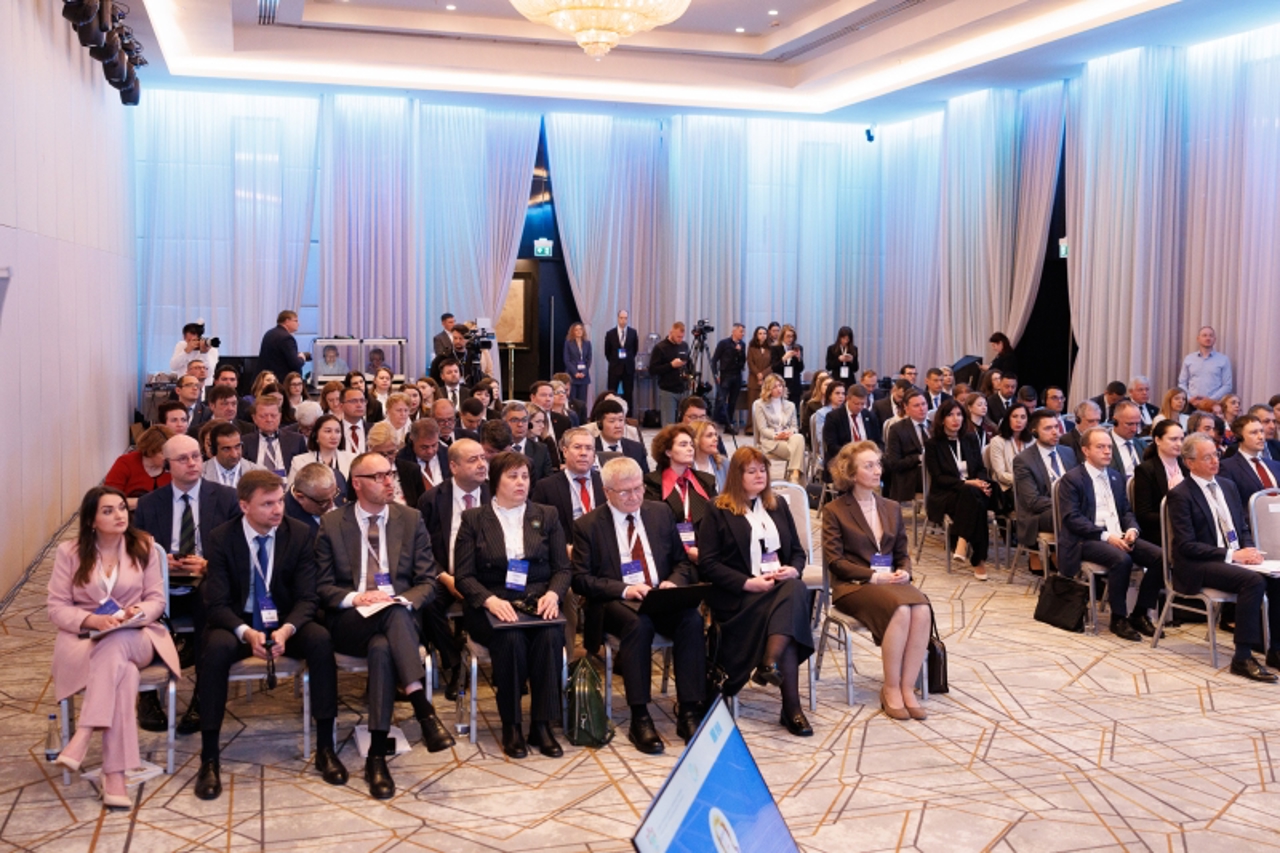
We remind you that this conference is organised in the context of the Republic of Moldova, holding the Presidency of the Committee of Ministers of the Council of Europe. It is being held with the support of this institution and is part of a joint project with the European Union focused on justice reform.