Gagauzia parallel laws threaten Moldova EU path
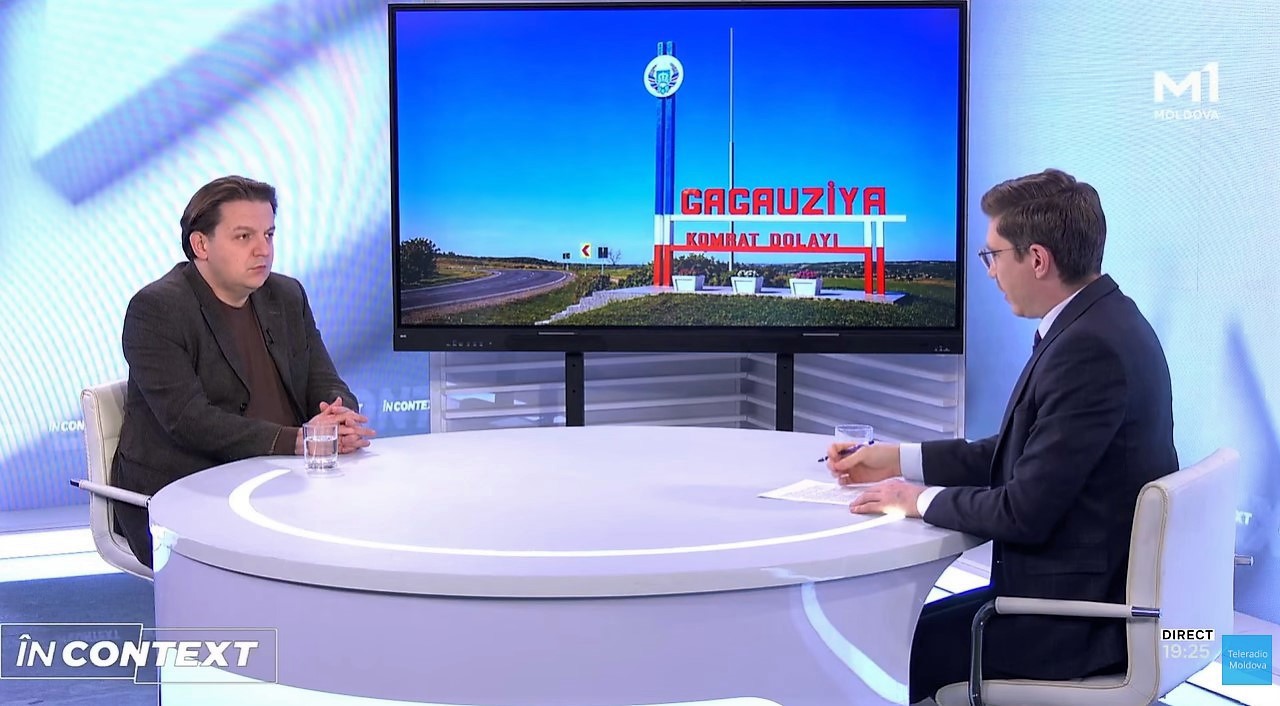
The political deadlock over organizing elections in the Autonomous Territorial Unit of Gagauzia is testing the rule of law in Moldova. Regional authorities are attempting to implement a parallel legal framework that bypasses the national Electoral Code, raising severe concerns over central oversight and democratic integrity.
Andrei Curăraru, a policy expert at the WatchDog think tank, warns that this jurisdictional clash undermines state authority. He emphasized that allowing the region to operate outside national norms is fundamentally unconstitutional.
"The stakes are tied to how autonomy functions and its constitutional regime. Gagauzia cannot have laws that contradict Moldova’s Electoral Code," Curăraru explained during a broadcast on Moldova 1.
Transitional oversight and electoral reform
To break the impasse, Curăraru proposed creating a transitional electoral entity negotiated by both sides, but strictly monitored by Chișinău to prevent regional authorities from overstepping their legal mandate. He noted that the region's voting system requires significant structural reform to ensure free and fair elections.
Current electoral boundaries heavily distort representation in the People's Assembly. Some regional lawmakers secure seats with just a few hundred votes, while others require thousands, highlighting an urgent need to recalibrate voting districts.
Curăraru also warned that failing to resolve the Gagauzia crisis could trigger blowback from Brussels. A prolonged constitutional deadlock risks negatively impacting Moldova’s rating in the European Commission's upcoming annual enlargement report.
High-level intervention and legal scrutiny
The mandate of the Gagauzia People's Assembly expired in November 2025. Subsequent election dates scheduled for March 22 and June 21, 2026, were successively canceled by decisions from the South Court of Appeal.
On April 23, President Maia Sandu and Parliament Speaker Igor Grosu met with local lawmakers to address the crisis. Discussions highlighted severe systemic flaws, including a regulatory vacuum for campaign finance, lack of transparency mechanisms, and inaccurate voter rolls.
Following the meeting, officials formed a working group involving civil society and the Central Electoral Commission. Their goal is to draft rapid solutions ensuring fair elections can take place later this year.
Simultaneously, the Ministry of Justice has petitioned the Constitutional Court. The referral seeks to verify whether provisions in Gagauzia’s special status law—specifically those allowing the People's Assembly to appoint its own electoral body—violate the national constitution.
Translation by Iurie Tataru