Hormuz crisis deadlocks over US demands
Negotiations to secure a ceasefire and reopen the Strait of Hormuz have reached a deadlock, sharply escalating tensions between Washington and Tehran. Following the collapse of a scheduled meeting with US negotiators in Pakistan, Iran's foreign minister abandoned the Islamabad talks and traveled to Russia to meet with Vladimir Putin.
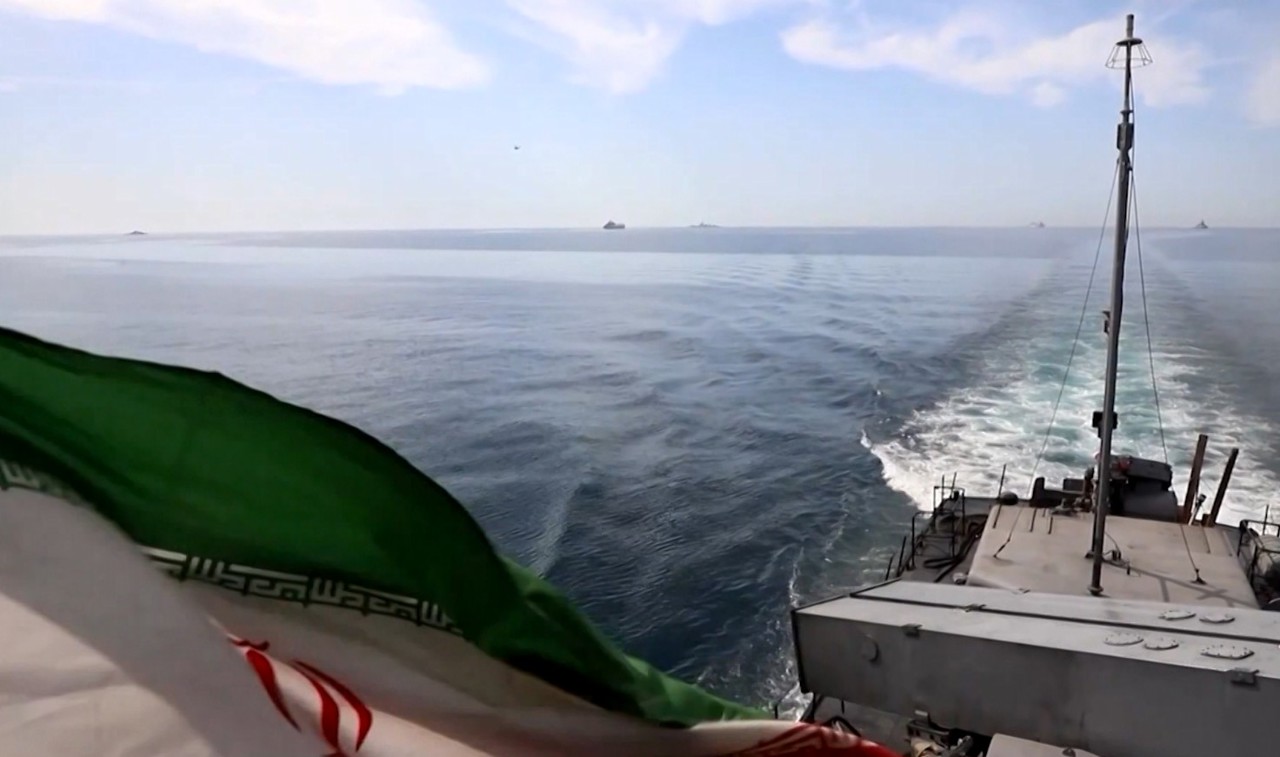
Iran has forwarded a new proposal to the United States via Pakistani mediators. The framework outlines terms for reopening the strategic waterway and ending military hostilities, while explicitly deferring nuclear negotiations for a later date.
Trump demands tangible progress
US President Donald Trump stated Sunday in a Fox News interview that Iran "knows where to find him" if they wish to negotiate. He indicated he would withhold sending the US delegation back to Islamabad unless there are genuine prospects for a breakthrough.
"Part of the problem is that we have to eliminate what I call 'nuclear dust.' We have to eliminate it, and we will," Trump said. "It is part of our negotiations with Iran. We don't want them to have it."
The US President emphasized that while Washington is willing to assist Iran, possessing a nuclear weapon remains an absolute red line. "We won't allow anyone to use a nuclear weapon to destroy the Middle East, Israel, or Europe. We are furthest away, but we are doing a service to the whole world," he added.
Iran's diplomatic pivot to Russia
During his abbreviated visit to Islamabad, Iranian Foreign Minister Abbas Araghchi met with the Pakistani prime minister and army chief. Discussions centered on establishing safe transit through the Strait of Hormuz and outlining preconditions for resuming talks with the US.
Araghchi publicly attributed the failure of previous diplomatic rounds to excessive American demands. "We had very constructive consultations with our friends in Pakistan, and fortunately, the visit was very successful," Araghchi noted, adding that they mapped out the conditions under which negotiations might continue.
Following the collapse of the US back-channel in Pakistan, Araghchi immediately traveled to St. Petersburg. There, he held high-level talks with Russian President Vladimir Putin, Foreign Minister Sergei Lavrov, and the head of Russian military intelligence.
Persian Gulf crisis deepens
The meetings in Russia unfold amid intelligence reports suggesting Moscow previously supplied Tehran with targeting data during the ongoing conflict.
"We see how the people of Iran are fighting bravely and heroically for their independence and sovereignty," Putin remarked during the meeting. "And, of course, we truly hope that, based on this courage and desire for independence, the Iranian people will be led by a new leader. This is a difficult period of trials, and peace will come."
Putin pledged that Russia would act in alignment with Iranian and regional interests to expedite a peaceful resolution. Meanwhile, in Washington, Donald Trump has convened his national security team at the White House to directly address the stalled Iran negotiations and the deepening Persian Gulf crisis.
Translation by Iurie Tataru