Budapest blocks fast-track Ukraine EU accession
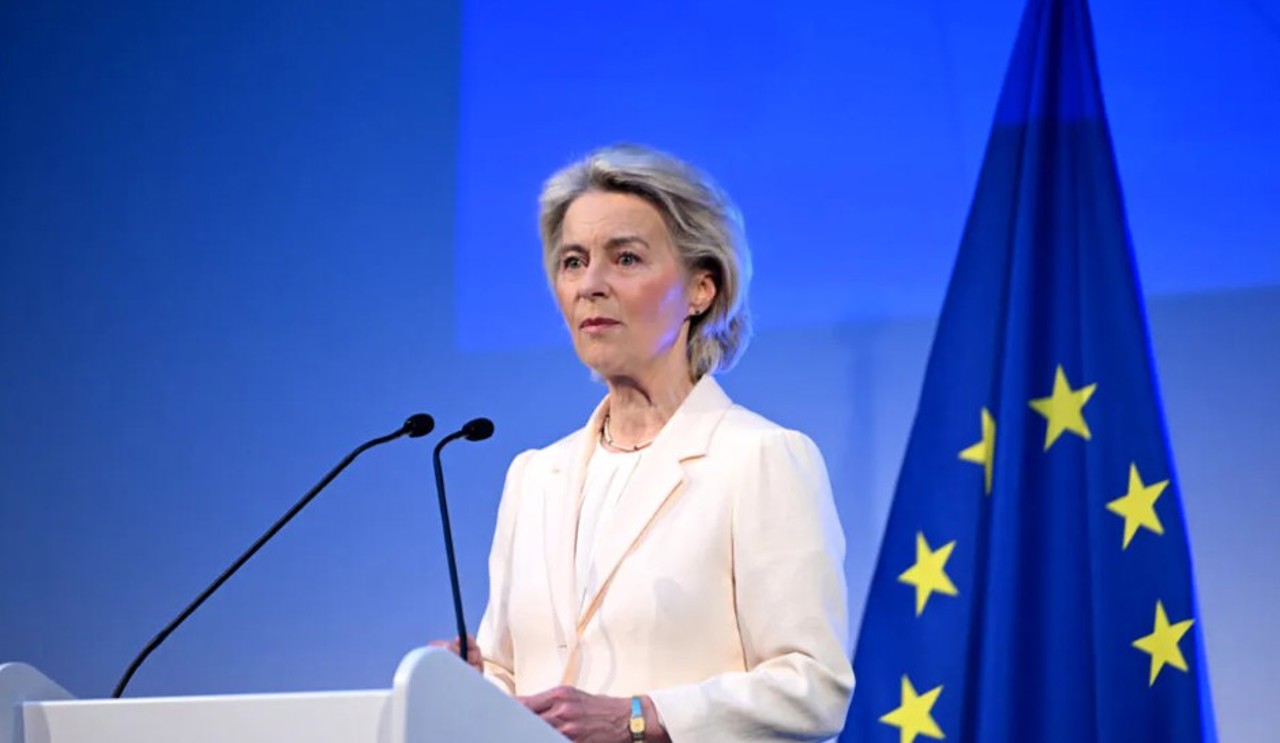
The European Union is currently debating a paradigm shift in its expansion strategy, weighing a "reverse enlargement" model to integrate Ukraine. Despite Kyiv's strategic importance, the bloc remains divided over the mechanisms and timeline for full membership, according to reports from the Financial Times.
Strategic tiers of integration
France and Germany have proposed an "associate member" status as a pragmatic alternative. This format would grant Ukraine consultative access to EU institutions and the single market without immediate access to major financial programs or voting rights.
The "reverse enlargement" concept offers an even bolder path. This scenario suggests granting formal membership early in the process, with limited rights that expand as Kyiv meets specific criteria. Supporters argue this provides a clear roadmap, while critics fear it undermines the merit-based accession principle.
The Budapest deadlock
European Commission estimates suggest full compliance with EU standards could take 10 to 15 years. This lengthy horizon is further complicated by political resistance within the bloc, most notably from Hungary.
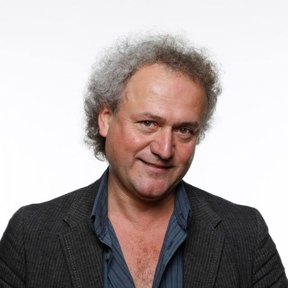
The transition of power in Budapest has not softened Hungary's stance. Prime Minister Péter Magyar continues to prioritize the rights of the Hungarian minority in Transcarpathia. Magyar recently stated that Budapest will oppose any accelerated accession while the conflict persists, reflecting a broader, unspoken caution among several member states.
Defense and security focus
Parallel to political talks, the EU is exploring deepened defense cooperation. Options include integrating Ukraine into mutual defense mechanisms and ensuring predictable financial assistance to stabilize the region. While formal negotiations are slated to begin this summer, the final blueprint for Ukraine's integration remains unconfirmed.
Translation by Iurie Tataru