From cohabitation to chaos: Romania’s governance crisis
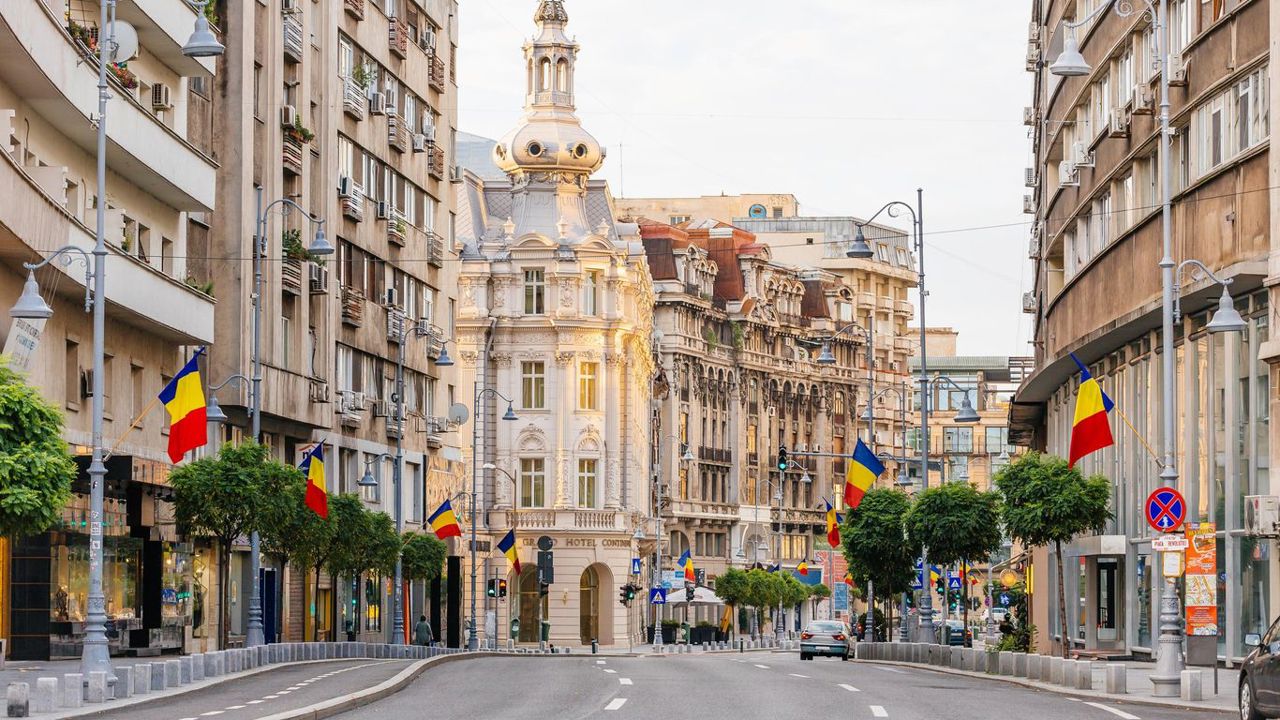
The ideal of a stable, two-party system—reminiscent of the United States or the United Kingdom—has long been viewed as the pinnacle of democratic aesthetics. However, global reality rarely reflects this symmetry. While political fragmentation is often mistaken for democratic pluralism, history proves it frequently leads to chronic instability.
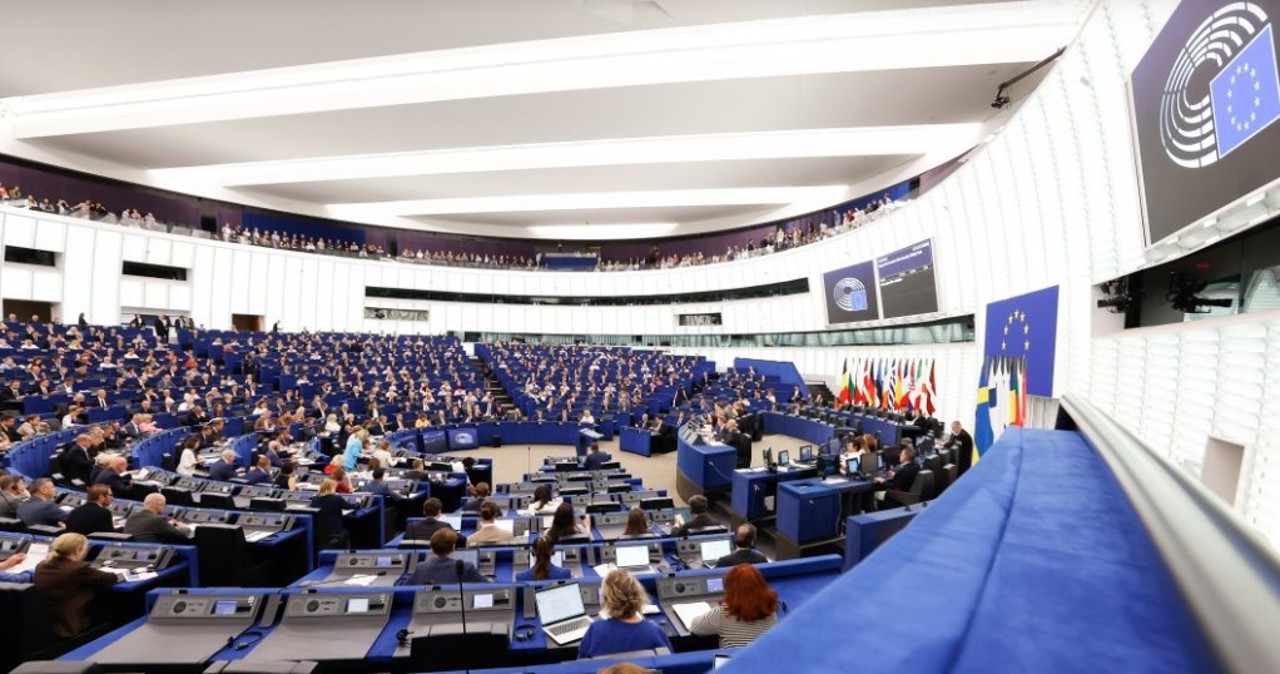
A stark example occurred in Poland’s 1991 elections, where a low electoral threshold allowed over 100 parties to compete. Ultimately, 29 parties entered Parliament, with none securing more than 13% of the vote. The result was a dysfunctional legislature, a cautionary tale for emerging democracies.
The Complexity of Coalition Governance
In "baroque" political systems like Belgium’s, coalition rule is a structural necessity rather than a choice. Federal, multi-ethnic states often find it impossible for a single party to govern alone. This forces a permanent state of "cohabitation"—living together in a shared political house.
Romania has experienced this friction firsthand, notably through the rivalry between conservative President Traian Băsescu and socialist-turned-sovereignist Prime Minister Victor Ponta. Ponta’s ideological fluidity reached a peak in 2018 when, addressing the Euro-skeptic ECR group in Brussels, he declared himself a man of the Right, claiming the Left was "exhausted."
A legacy of "monstrous" coalitions
The current struggle within the National Liberal Party (PNL) echoes a long history of tactical betrayals. The party’s founder, Ion C. Brătianu, famously formed the "Monstrous Coalition" with his conservative rivals to oust Prince Alexandru Ioan Cuza in 1866. Despite their progressive label, the Liberals prioritized the interests of the landowning elite.
This dynastic approach to politics continued through the early 20th century. In 1907, the Liberal government, led by Ionel Brătianu, orchestrated a blood-soaked repression of starving peasants. This historical pattern of prioritizing power over principle remains a defining feature of the Romanian political landscape.
European pressure and the populist risk
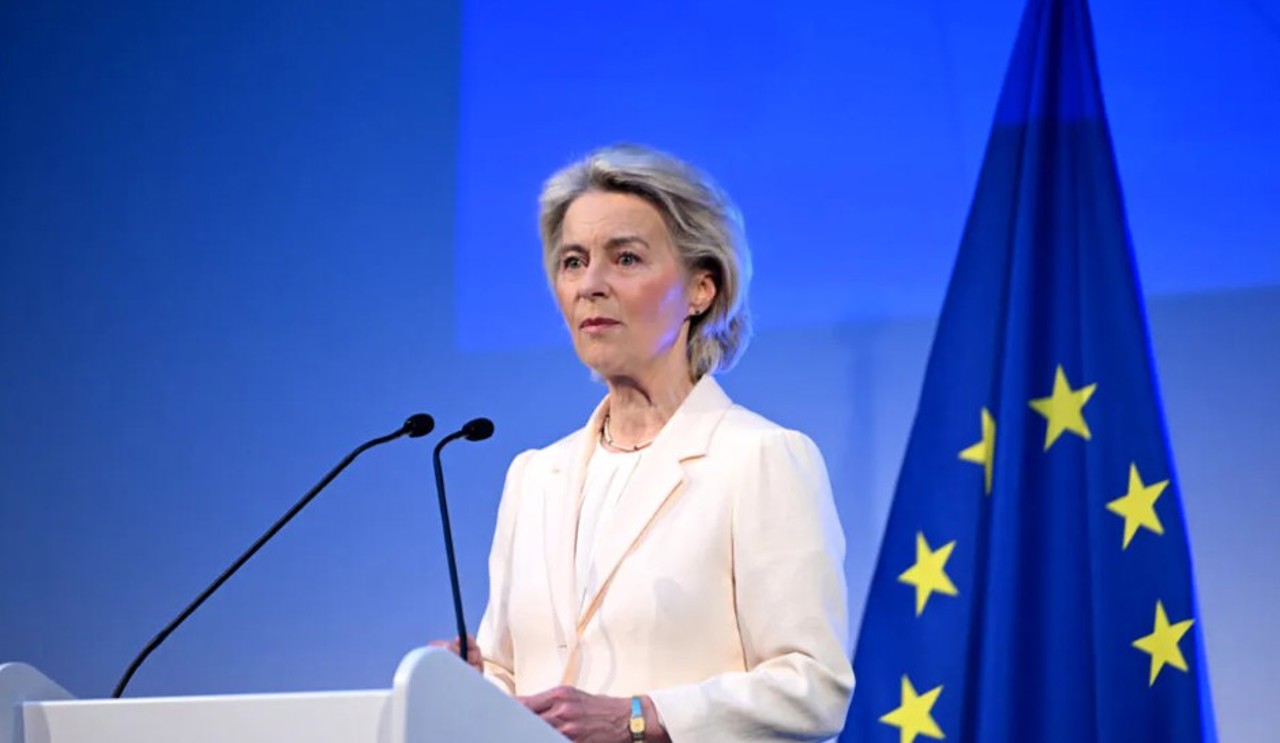
Following recent elections, the Party of European Socialists (PES) has called for a "stable, pro-European government" in Bucharest. PES Secretary General Giacomo Filibeck emphasized that Romania needs institutions capable of protecting citizens from economic uncertainty and restoring democratic trust.
However, the specter of a PSD-AUR coalition looms. Such "unnatural" alliances are not unprecedented in Europe. In 2015, Greece’s Alexis Tsipras maintained power by marrying his far-left Syriza party with the ultra-nationalist Independent Greeks (ANEL). Romania now stands at a similar crossroads, where ideological purity is routinely sacrificed on the altar of parliamentary arithmetic.
Translation by Iurie Tataru