Exotic fruits grown on an 11-are plot in Drochia
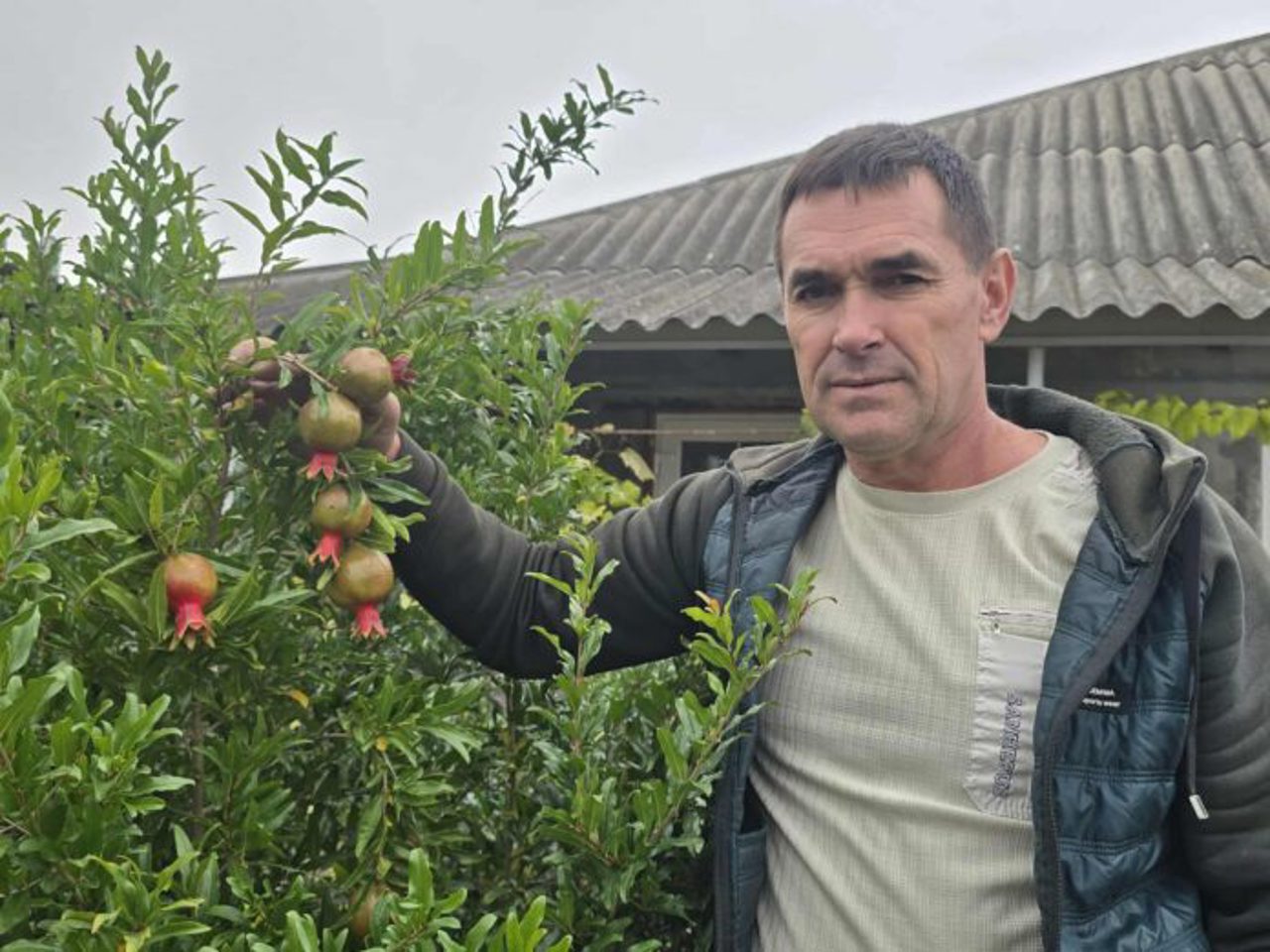
A resident of Drochia has been cultivating exotic fruits such as kiwi, persimmons, pomegranates, and figs on their farm for nearly ten years. What began with a single shrub has evolved into a flourishing exotic garden, driven by their passion for growing plants that are unusual for the Republic of Moldova's climate.
Veaceslav Zuza explains that his inspiration for planting and growing tropical plants came from observing his neighbors in Ukraine.
"I noticed that many exotic plants thrive in Ukraine, and I thought, if the climate here supports such varieties, why not try cultivating them in Moldova too?" Zuza told Radio Moldova.
Today, he grows dozens of exotic plant varieties on an area of 11 ares, including 12 types of persimmons, 14 types of figs, over 10 types of pomegranates, and five types of passion fruit, among others.
According to Zuza, the success of these plants largely depends on how well each variety adapts to the local conditions.
"In the summer, the climate is quite favorable for plant growth, but it really depends on the specific varieties. For instance, you can have a fig tree, but its success will depend on which specific fig variety you plant. Some varieties that thrive in Italy may not adapt well here," the farmer explained.
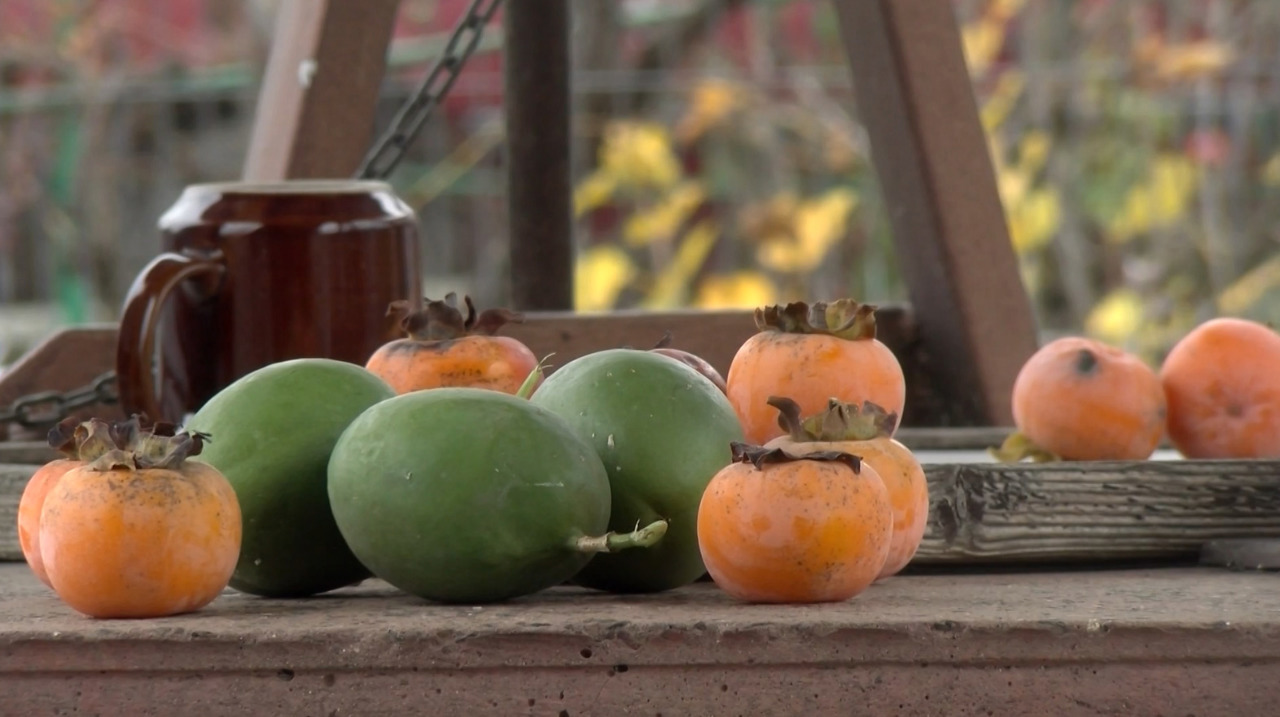
In Drochia, a local farmer named Veaceslav Zuza has cultivated a diverse garden where some plants have naturally adapted without the use of special technologies. While some trees are simply planted like any other, the garden faces challenges beyond just the cold winters.
One significant issue is the sudden changes in temperature. Certain plant species require specific pollinators to produce fruit, making fruiting impossible in the local climate. Instead, these plants may serve as decorative additions to the garden.
In recent years, winters in the Republic of Moldova have become milder, leading to sudden temperature drops as spring approaches. This can cause plants to "wake up" too early, which can be detrimental. According to Veaceslav, "When the ground warms up, sap begins to flow in the stem and branches. If it then freezes, the stem cracks, and the plant dies."
The results of his gardening efforts are not immediate; some plants produce fruit quickly, while others may take several years. "It depends on the variety and the propagation method. For example, kiwis from seed can take up to 11 years to bloom for the first time. I have some kiwis that are three or four years old and are already bearing fruit, while I have others that are 11 years old and have only just bloomed," Dom Zuza explains.
Despite the variety of exotic plants in his garden, Veaceslav Zuza plans to expand his collection by adding new species, including akebia.