Europe moves to fill security vacuum in Ukraine negotiations
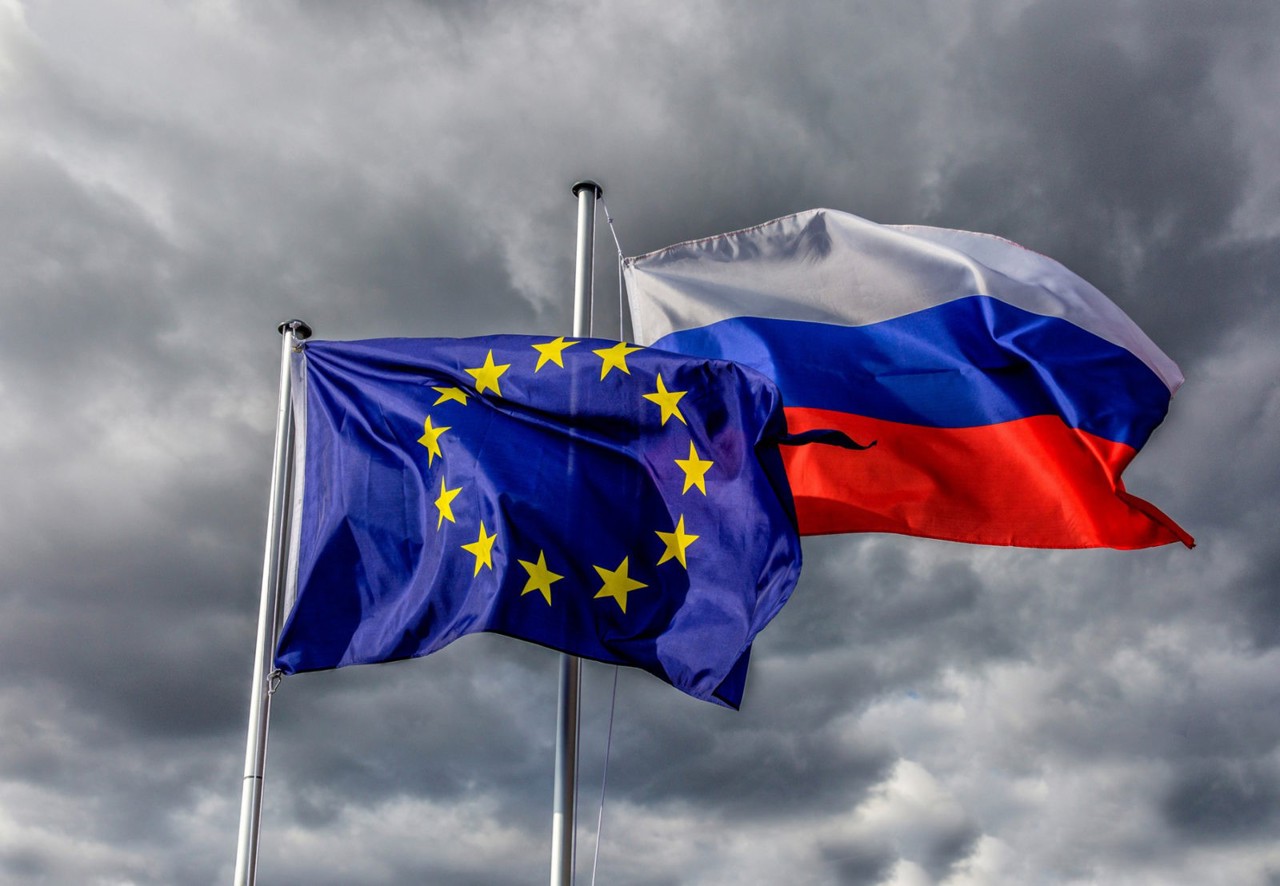
European nations are moving to establish an independent diplomatic channel with Moscow to secure a seat at the negotiation table. Driven by a widening security vacuum as the United States shifts its strategic focus away from the Ukrainian theater, Paris has galvanized a renewed continental willingness to reopen political dialogue.
Finnish President Alexander Stubb recently declared his readiness to represent the European Union in potential peace talks with Russia. This alignment follows previous statements from Ukrainian President Volodymyr Zelensky, who emphasized that Europe must maintain autonomous representation in any forthcoming negotiations regarding its own security architecture.
EU steps into the vacuum left by Washington
The concept of appointing a high representative to oversee ceasefire negotiations has circulated through European chancelleries for weeks. However, Moscow continues to send mixed signals, frequently mocking European institutional bureaucracy while simultaneously testing the defense postures of neighboring Baltic states.
Internal divisions also persist regarding the ideal diplomatic configuration. While Poland demands a stronger voice and Italy objects to its exclusion, the informal "E3" format—comprising France, the United Kingdom, and Germany—is steadily regaining traction.
"I do not know if it is the best format, but I believe these three countries could be negotiators on behalf of Europe," Ukrainian President Volodymyr Zelensky stated on the social network X.
The political viability of this trio, however, remains constrained by domestic pressures. The United Kingdom faces ongoing debates surrounding the political future of Prime Minister Keir Starmer, while German Chancellor Friedrich Merz confronts similar domestic headwinds. This leaves French President Emmanuel Macron, who intends to dedicate the final months of his mandate to engineering the framework for a sustainable truce.
A strategic vindication for Macron
Long criticized by European allies for maintaining a bilateral line of communication with Vladimir Putin well after the 2022 invasion, Macron now views the current diplomatic stalemate as verification of his strategic outlook. Brussels is actively seeking a political channel that operates independently of the standard NATO-Russia mechanisms, building upon backchannel contacts recently re-established in Turkey.
European leadership asserts it has adapted after previous mediation attempts. Past frameworks saw Washington officials pressure Kyiv to concede territories in the Donbas region—including areas the Russian army failed to capture after four years of warfare—while offering hypothetical EU accession pathways without consulting the 27 member states.
This diplomatic pivot occurs as US President Donald Trump shifts American military priorities toward the Iranian front. The diversion of significant Patriot missile stockpiles to the Middle East has triggered deep frustration among Washington’s European clients, most notably Germany, forcing Europe to urgently fill the strategic void.
Translation by Iurie Tataru