Hungary-Ukraine dialogue unblocks Moldova's EU path
On June 3, 2026, Moldovan Deputy Prime Minister Cristina Gherasimov announced that EU institutions and Chișinău are working to officially open accession negotiations as soon as possible. However, the exact timeline for the intergovernmental conference now depends entirely on a bilateral agreement between Budapest and Kyiv.
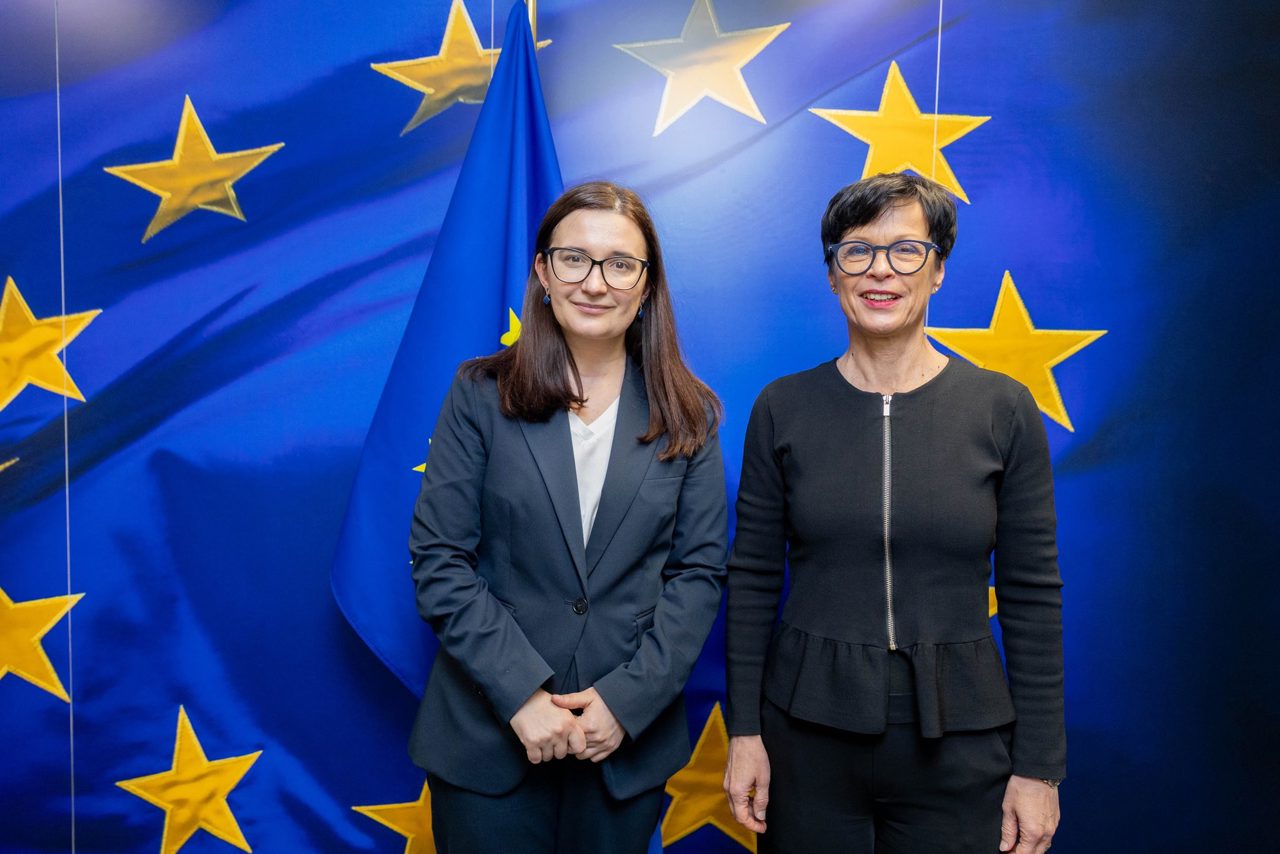
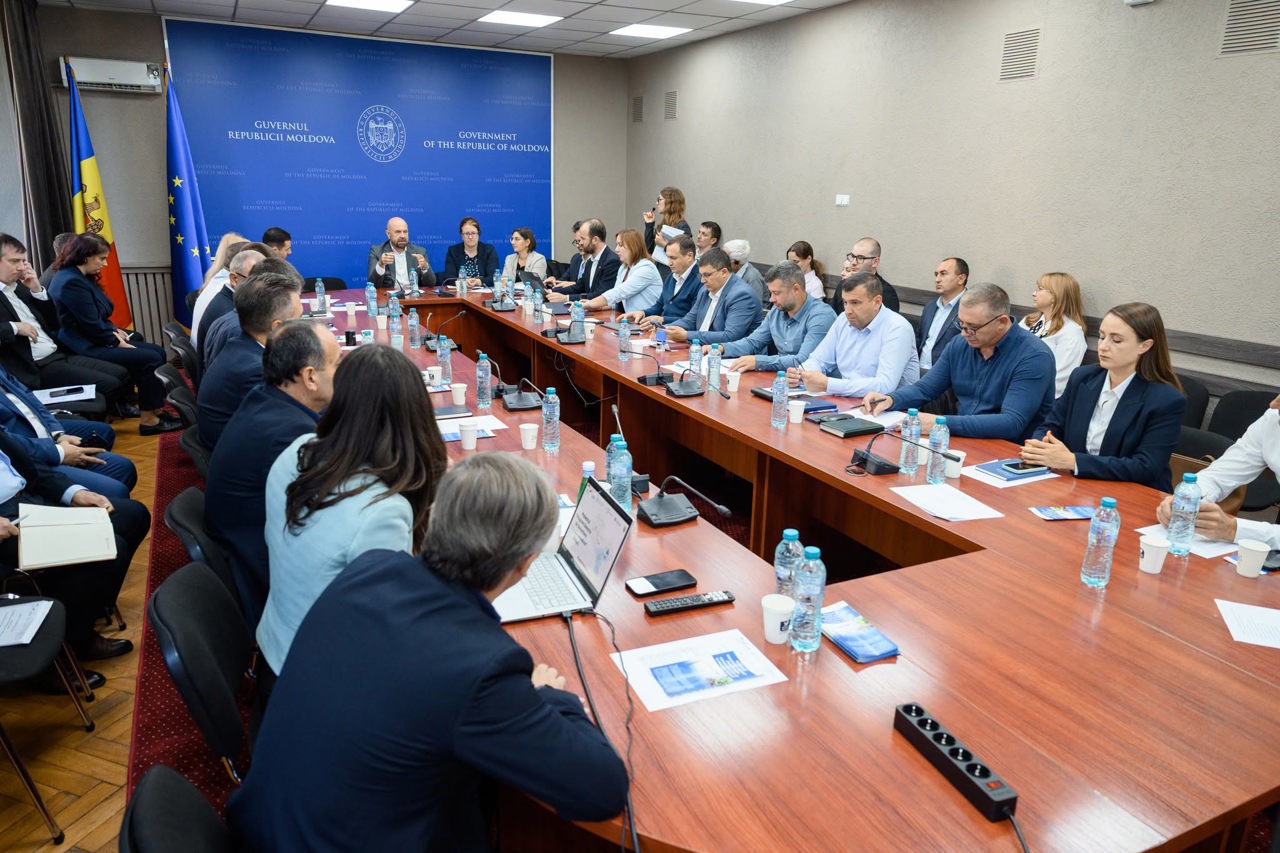
The statement comes less than two weeks before the critical diplomatic window aimed at formalizing this next step. "We are working intensively in Brussels so that we have the confirmed official opening of negotiations as soon as possible," Gherasimov stated after a government meeting. "Today, we do not have a certain confirmation regarding the actual opening or the date when the intergovernmental conference will take place."
Gherasimov specified that Moldova targets both the first group of chapters and the subsequent clusters. She noted that both the European Commission and the Council have confirmed the country's readiness to open them.
Optimism from Brussels
Concurrently, EU Enlargement Commissioner Marta Kos expressed optimism that the first negotiation cluster for Moldova and Ukraine will open this June, with the remaining clusters following in July. Kos highlighted a positive diplomatic momentum following discussions with Hungary's newly elected government.
"I am sure that the dialogue between Hungary and Ukraine regarding the Hungarian minority is going well," Kos pointed out in an interview with TVR Moldova. "That is why I am optimistic that we will be able to open the first cluster for Ukraine and the Republic of Moldova in June, and in July - all the other clusters."
Kos emphasized the geopolitical weight of this advancement. "By opening the first cluster, we will send a very important political message. And, discussing with member states, they begin to understand why it is so important. It is not just about allowing us to continue with this technical aspect, but also the fact that, by opening the first cluster, we will send a very, very important political message," she added.
The Hungarian factor
The diplomatic breakthrough followed the April 2026 Hungarian parliamentary elections, which resulted in the defeat of Viktor Orbán's government. The incoming cabinet, led by Prime Minister Péter Magyar, has signaled a less obstructionist approach to EU expansion.
In late May, Magyar secured the unblocking of €16.4 billion in EU funds after meeting with European Commission President Ursula von der Leyen. While Magyar rejected any linkage between funding and enlargement, he expressed strong optimism regarding an agreement on Hungarian minority rights in Ukraine.
European diplomats are currently targeting June 15 for the intergovernmental conference in Luxembourg. This timing would allow EU leaders to formally validate the opening of the first cluster during the Brussels summit scheduled for June 18-19.
Historical context and upcoming bilateral events
For over a year, Moldova's EU integration path has stagnated due to Budapest's veto on Ukraine. Because the EU treats both nations as a synchronized package, Hungary's opposition to Kyiv effectively halted Chișinău's progress despite universal support for Moldova among member states.
Prior to this political deadlock, the analytical examination of legislation (screening) was successfully finalized for both capitals. On March 17, 2026, Moldova and Ukraine held separate, informal technical discussions in Brussels covering all six negotiation clusters under the Cypriot Presidency of the EU Council. Accession negotiations originally launched on June 25, 2024, though no formal clusters have been opened since.
Amid these diplomatic maneuvers, Commissioner Kos is scheduled to arrive in Chișinău tomorrow, June 4, to co-open the EU-Moldova Investment Conference alongside President Maia Sandu and Prime Minister Alexandru Munteanu. The visit focuses on economic opportunities and the EU Growth Plan.
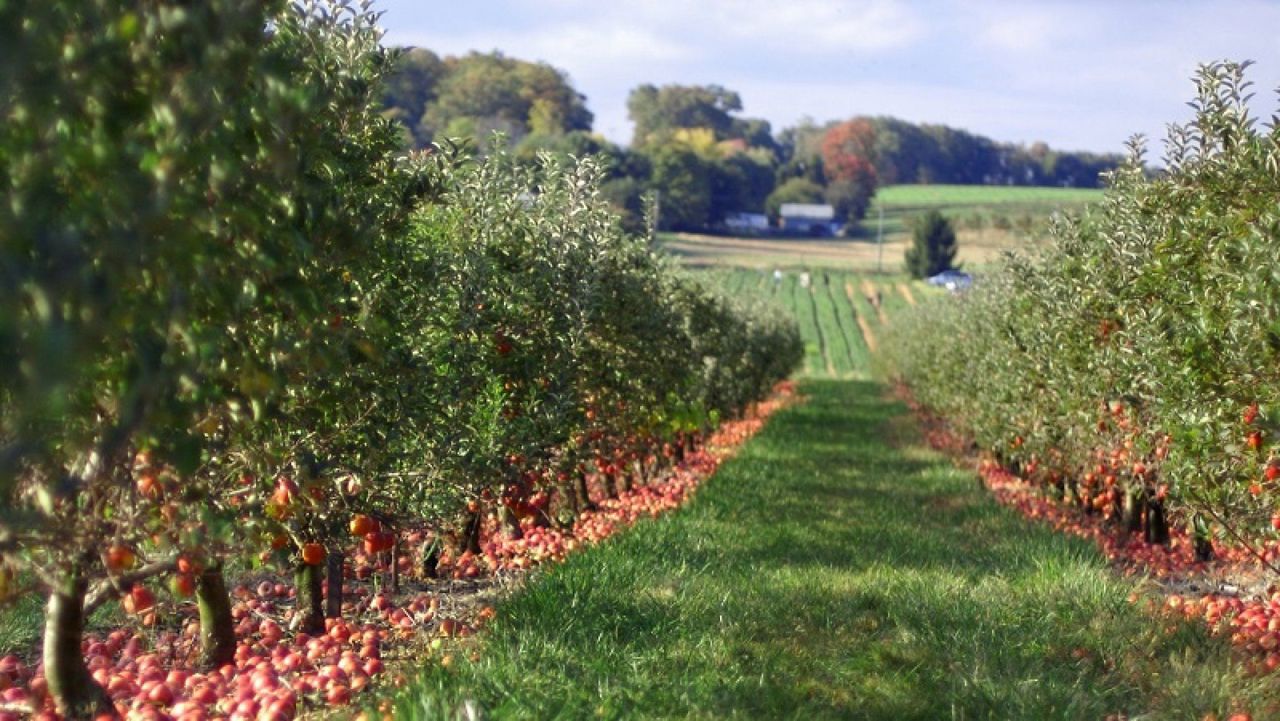
Kos will continue her tour on June 5 at the Moldova Digital Summit 2026 before concluding on June 6 with visits to the Marta and Maria Monastery and a rural farm in Slobozia-Dușca, Criuleni. The EU Delegation in Chișinău noted that the Commissioner brings progress on the accession process and opens new investment perspectives.
Translation by Iurie Tataru