Kallas: Kremlin escalates terror due to battlefield weakness
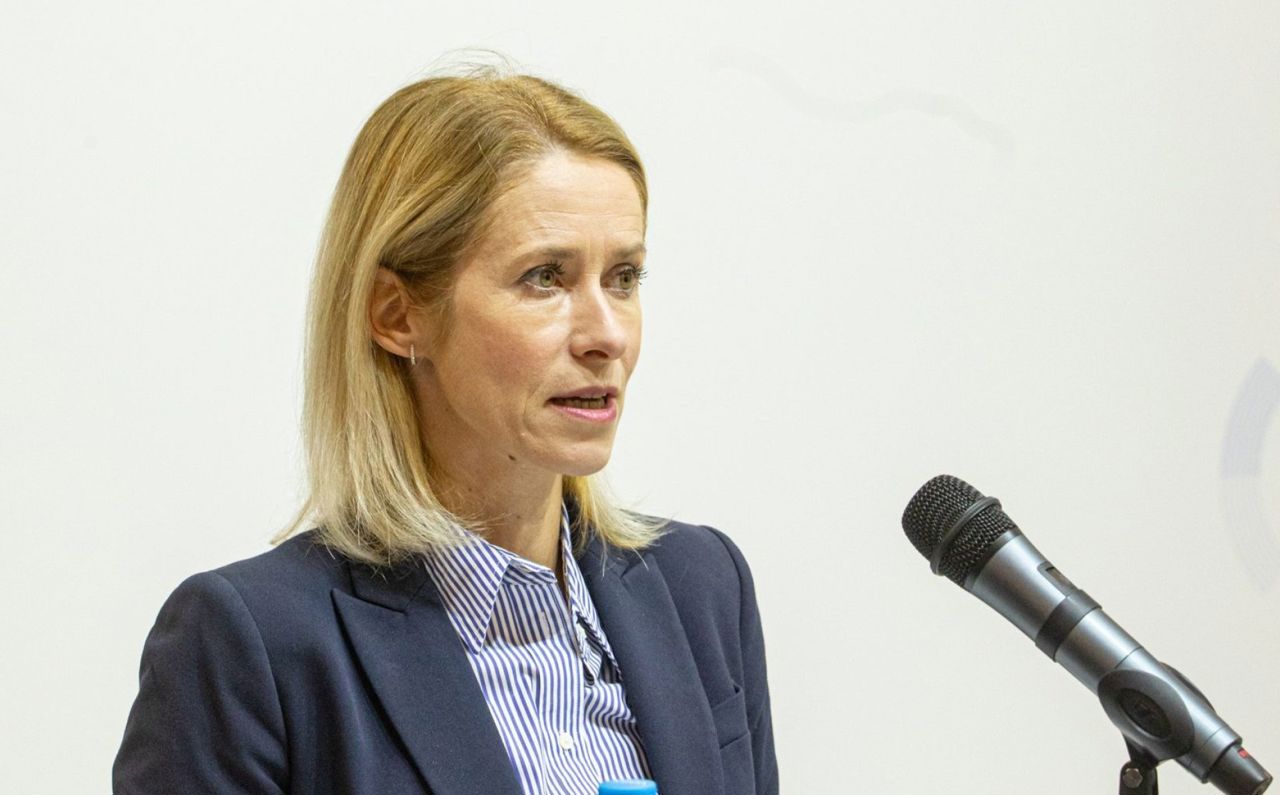
The European Union's foreign policy chief, Kaja Kallas, stated that Russia is in a state of panic following recent Ukrainian drone strikes, including those targeting the city of St. Petersburg.
The Ukrainian drones struck military and energy installations in St. Petersburg on Wednesday morning, coinciding with the opening day of the traditional Economic Forum.
"This clearly shows panic on the Russian side and explains why they escalate terrorist attacks — they don't know how to handle these things," Kallas said in an interview in Brussels.
The Kremlin has promised systemic responses to these attacks by Kyiv, which occurred just one day after 23 people were killed in Ukraine during a massive barrage of Russian missiles and drones.
Ukraine has recently intensified its strikes on Russian military and energy targets as retaliation for Russia's daily bombardments of its cities and infrastructure.
According to the former Estonian prime minister, Vladimir Putin's Russia is losing money and people, which is why it is intensifying its attacks on Ukrainian civilians.
Recent internet shutdowns inside Russia are also intended to prevent the population from understanding the situation, Kallas added, noting that this would raise serious questions for the regime.
Kallas, who faces legal proceedings in Russia and is a prominent Kremlin adversary, emphasized that the Russian president has chosen to escalate terror to create fear because he is in a position of weakness on the battlefield.
She stated that the ultimate goal of the Kremlin's strategy was to destroy both the resilience of the Ukrainian people and the determination of Western societies.
Regarding peace negotiations, which were launched last year by the United States but are currently stalled, Kallas denounced Moscow's continued refusal to engage in good faith.
"We haven't seen, from the Russian side, any real willingness to negotiate: they have presented their maximalist demands, and have made no concessions and not, you know, the slightest step back," Kallas stated.
Therefore, Kallas noted that it is vital to continue increasing pressure on Russia to push them into discussions with the Ukrainians.
The European Union is currently discussing a new package of sanctions against Moscow, the 21st since the full-scale Russian invasion of Ukraine began in February 2022.
"We have a very clear objective: to target the military industry, to target financial institutions, so that they cannot raise capital to finance this war," Kallas concluded.
A key element of these new sanctions will also focus on keeping Russia's oil revenues, the primary funding source for its war against Ukraine, as low as possible.
Translatiion by Iurie Tataru