Special commission will probe phone fraud schemes
The Parliament has established a Commission of Inquiry to investigate telephone scams. Eleven deputies will examine how authorities respond to combat this issue. In just the past few weeks, nearly 150 Moldovans have lost their life savings. What is particularly concerning is that the criminals are impersonating employees of government institutions.
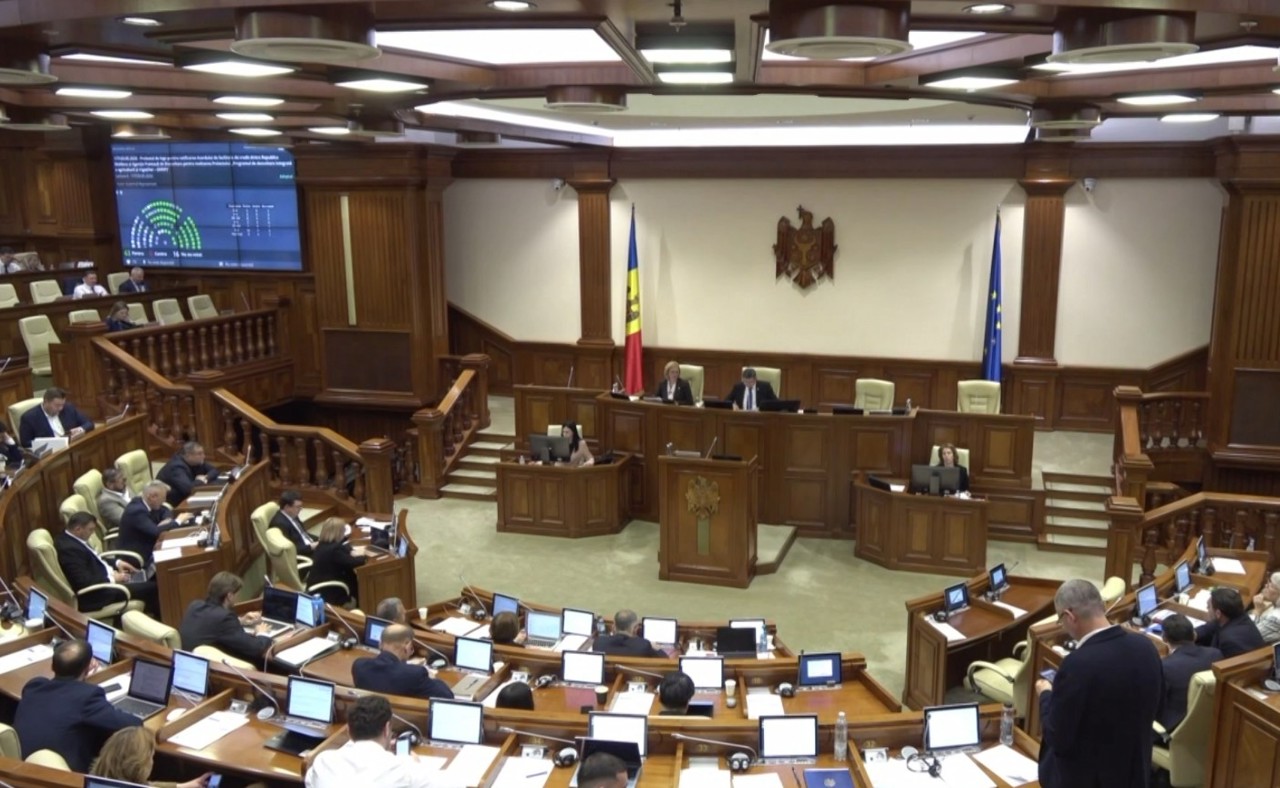
Renato Usatîi, the leader of the "Our Party" faction, proposed a legislative decision and the formation of a parliamentary investigation committee that would require mobile phone operators to implement special software.
"There is a system that alerts users when they receive a call from a number that appears to be a local number, such as 022 from Chisinau, where the caller claims to represent the Intelligence and Security Service (SIS), the National Anticorruption Center (CNA), or a bank. The system indicates that the call is being made via IP telephony, allowing the recipient to recognize that they are likely dealing with a scammer," stated Renato Usatîi.
The Speaker of Parliament, Igor Grosu, acknowledged that the software proposed by Usatîi could help reduce the prevalence of telephone scams, but noted that it is not a complete solution.
"While the software addresses a specific problem by indicating that a call originates from abroad, which serves as a warning, we must also remain vigilant and careful about who we share our information with," Grosu said.
Opposition MPs argue that state institutions are struggling to manage the scope of this alarming issue.
"The capacity of law enforcement agencies to counter these threats is currently insufficient. Unfortunately, there have been instances where individuals within these agencies have been involved as organizers or participants in such scams, as evidenced in the TUX case and others," noted Ion Chicu, a deputy from the "Alternative" faction.
"Any commission that is focused on the safety of our citizens is essential. It is a serious issue when individuals lose sums of money ranging from 10,000 to 30,000 lei, especially when those funds are meant for critical needs, such as funerals," added Vasile Costiuc, the leader of the "Democracy at Home" faction.
Every day, the Police of the Republic of Moldova report serious fraud cases. Victims receive calls from unknown individuals who impersonate police officers or representatives from the National Bank or SIS. Misled, these citizens often end up paying significant sums of money and, in some instances, taking out bank loans. Authorities continue to urge citizens not to disclose their bank details, verification codes, or any personal information over the phone.