Cyber expert warns human element is weakest link in Moldova fraud
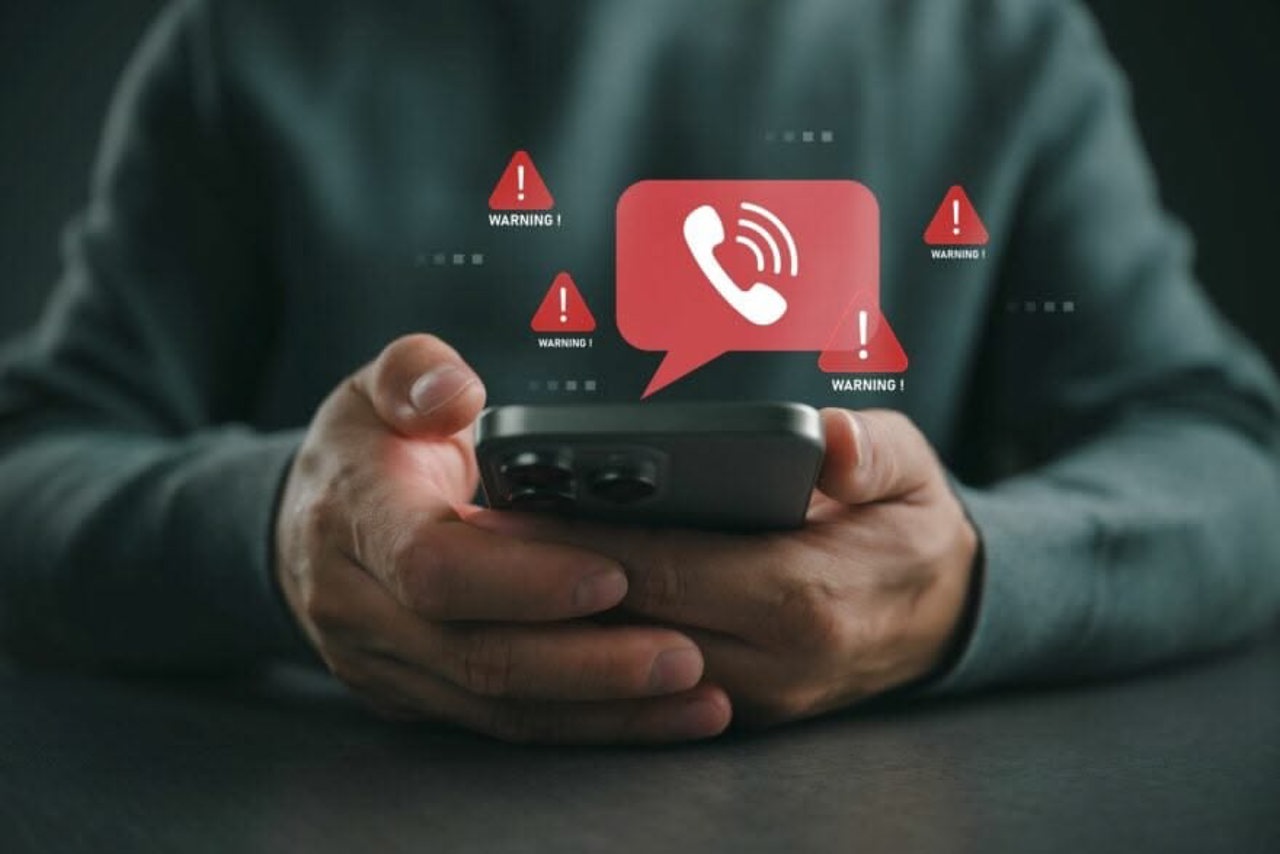
Sophisticated telephone and online scams are intensifying across Moldovan telecommunication networks. Andrei Pinzari, a risk management specialist at a leading mobile operator, warned that criminals increasingly weaponize emotional manipulation to extract illicit funds and confidential data from targeted victims.
Speaking on Moldova1 national television, Pinzari emphasized that modern cybercriminals focus their efforts on psychological vulnerabilities rather than technical infrastructure. The elderly demographic remains the primary target for these coordinated social engineering campaigns.
Anatomy of the exploitation schemes
The most prevalent vectors involve emergency impersonation scams, fraudulent banking alerts, and fake lottery announcements. In each scenario, perpetrators deliberately induce panic or artificial urgency to bypass the victim's rational decision-making process.
Risk analysts urge citizens to maintain systemic vigilance regarding all unsolicited communications. Security protocols dictate that individuals must never disclose passwords, authentication codes, or banking credentials over the phone.
Institutional verification protocols
The primary defense mechanism against telecom fraud remains the immediate verification of information through official corporate or state channels. Financial institutions and mobile operators rarely initiate contact to request sensitive personal data.
Experts advise immediate termination of any suspicious call followed by a direct inquiry to the institution's verified customer support. Legitimate promotional campaigns maintain transparent rules and are strictly managed through public registry platforms.
Translation by Iurie Tataru