Moldovan authorities aim to improve anti-torture measures

The Republic of Moldova's "moderate risk" rating in the Global Torture Index 2026 conceals significant vulnerabilities. In four of the seven assessed areas, the risk is substantial, with the most serious issues identified in detention conditions, police abuses, impunity, and victims' rights. Consequently, the seemingly positive overall score masks serious structural problems, warns the Promo-LEX Association, which collected the data for the Republic of Moldova.
Torture and inhumane treatment are prohibited and punishable under the Criminal Code of the Republic of Moldova, in line with international commitments. However, law enforcement institutions remain weak, according to Promo-LEX.
Last year, nearly 300 criminal cases related to torture and ill-treatment by public officials were registered. Prosecutors initiated 76 investigations, 9 of which pertained to incidents within police inspectorates, including one involving a minor.
Ill-treatment often occurs during detention, with documented instances of beatings, physical assault, and psychological pressure.
To address this situation, Promo-LEX recommends several actions, including the establishment of an independent civilian oversight body to investigate complaints of torture and ill-treatment.
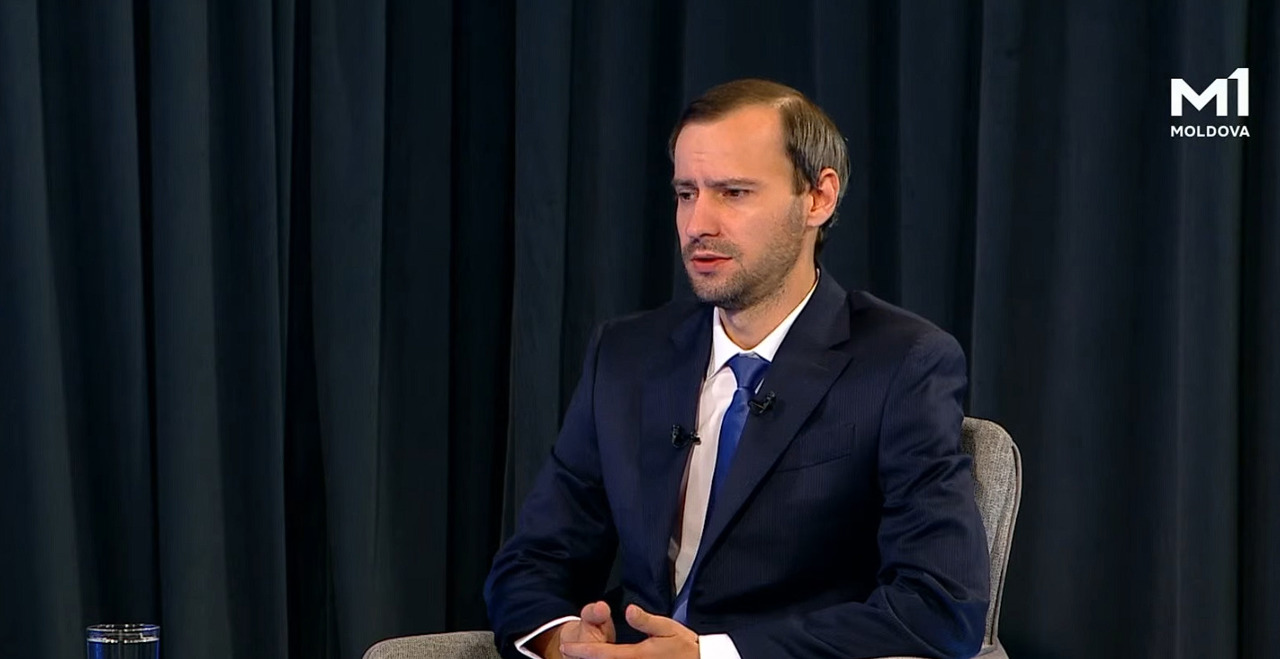
Another essential measure is to accurately classify acts of torture, without downgrading them to lesser offenses such as abuse of power or coercion to elicit statements. WatchDog justice expert Alexandru Bot emphasizes the need to establish a maximum legal timeframe for investigations.
“We have contradictory norms in the Criminal Code that sometimes lead to the misclassification of torture as a less severe and lightly sanctioned crime, allowing the perpetrator to evade proper accountability. Additionally, a more developed legal culture is needed among law enforcement officials and potential victims of torture to effectively combat this issue,” the expert highlighted.
The Total Torture Index report indicates that torture investigations, on average, take over four years, and less than five percent of complaints result in a conviction. Furthermore, victims encounter challenges in obtaining compensation and rehabilitation services, while the penitentiary system continues to struggle with overcrowding and a shortage of medical personnel.
Nevertheless, the report acknowledges some progress. Since 2022, no cases of HIV transmission have been reported in penitentiaries, the use of electronic monitoring has increased, and all injuries sustained during detention are automatically reported to prosecutors via an electronic registry.
Recommendations also include adopting a law on the use of force by police, expanding the use of body cameras, ratifying the Convention for the Protection of All Persons from Enforced Disappearances, and allocating a budget dedicated to the prevention of torture. Promo-LEX argues that these measures would help reduce impunity and strengthen the protection of human rights in the Republic of Moldova.
Preventing torture remains a priority, and several recommendations formulated by Promo-LEX are already being implemented. This includes transferring medical care from prisons to the Ministry of Health, combating criminal subcultures, and reviewing legislation on the use of force, as stated by the Ministry of Justice in response to Radio Moldova.