Gherasimov: EU accession remains a merit-based reform process
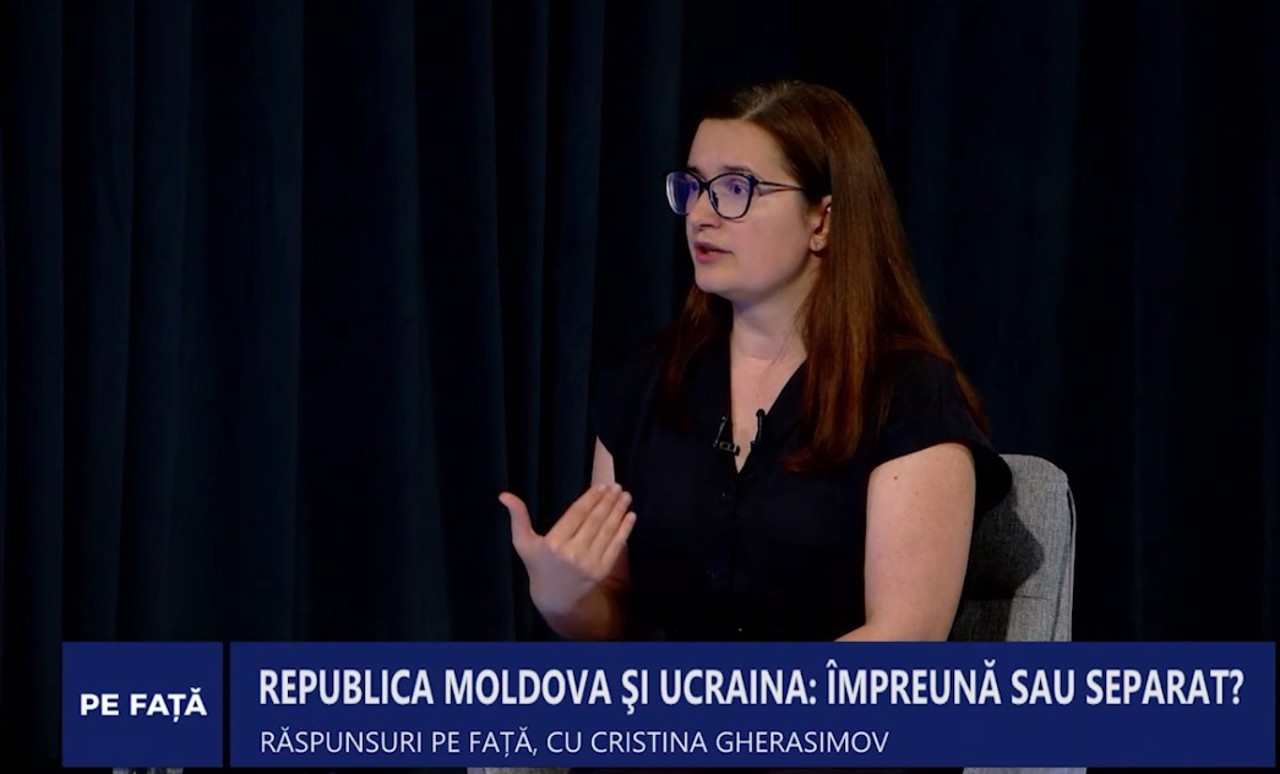
Deputy Prime Minister for European Integration, Cristina Gherasimov, stated that Moldova’s EU accession path remains independent of broader regional dynamics. She emphasized that Moldova will maintain solidarity with Ukraine, regardless of whether the two nations progress at the same pace.
Accession remains a merit-based process, determined strictly by national reforms. The European Commission evaluates candidate states annually based on individual progress in negotiation chapters and their level of legislative alignment with EU standards.
Gherasimov clarified that the current geopolitical window was opened by Russia’s invasion of Ukraine, providing opportunities that would not have otherwise existed. However, internal reform is the sole engine of progress. She provided the "fisheries policy" chapter as an example of how specific chapters vary significantly between landlocked Moldova and maritime neighbors like Ukraine or Montenegro.
Regarding institutional integrity, Gherasimov addressed the recent scandal at state enterprise Moldatsa. She admitted that such incidents damage the country's credibility but noted that the government's prompt reaction—including high-level dismissals and investigations—demonstrates a maturing democratic process.
"The EU evaluates systemic practices, not isolated incidents," Gherasimov explained. "We have a long path ahead, but our objective is to prepare the country for signing the accession treaty by 2028 and achieving full membership by 2030."
The Deputy Prime Minister concluded that while global economic pressures could influence the willingness of member states to support expansion, Moldova remains committed to the rigorous implementation of systemic reforms. These include critical sectors such as justice, energy, and environmental protection, which are essential for long-term democratic maturity.
Translation by Iurie Tataru