Chisinau aligns with NATO and EU to secure sovereign airspace
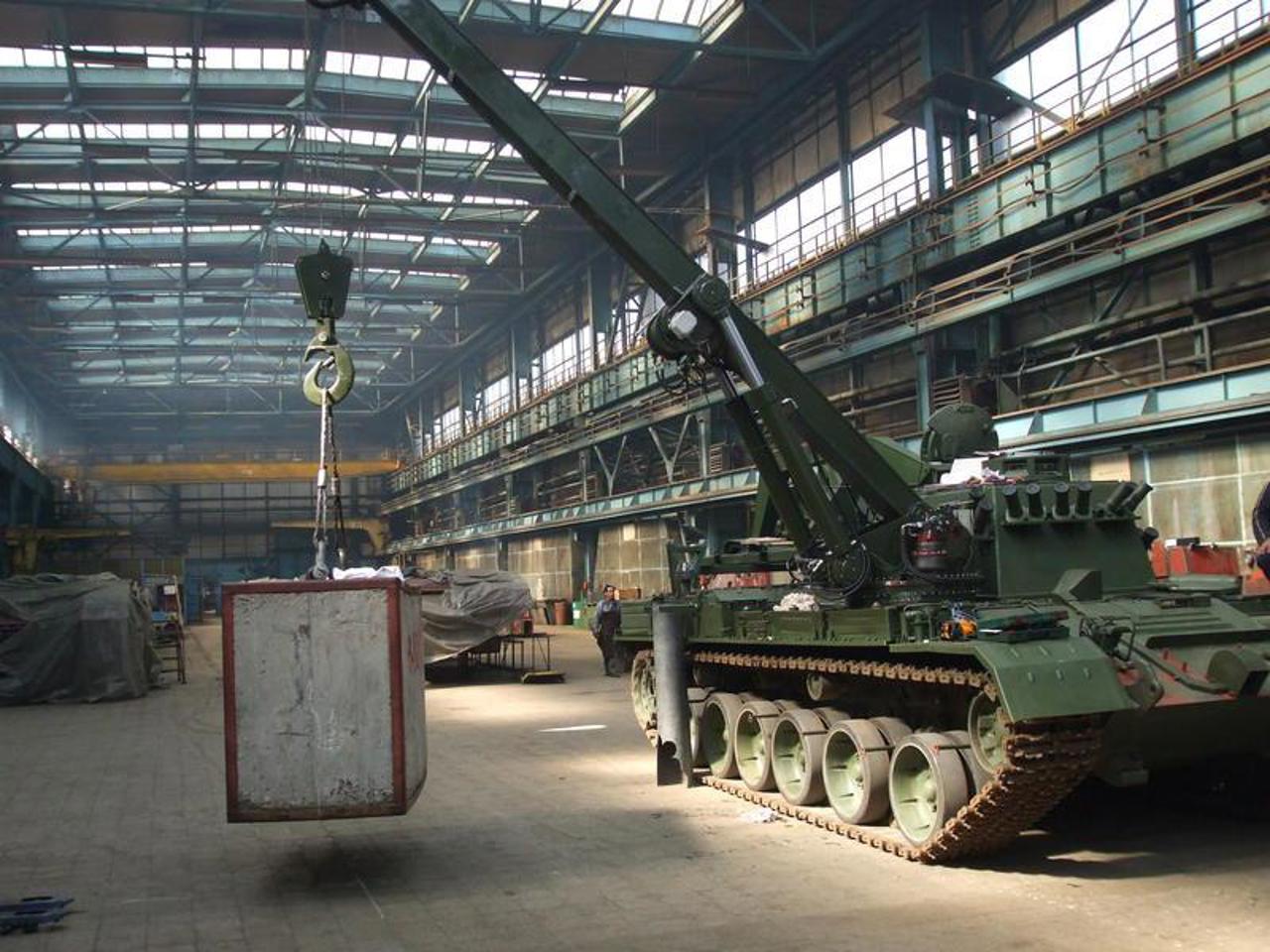
Moldova is actively reversing decades of military underfunding to modernize its National Army in response to evolving regional security threats. Backed by NATO and the European Union, Chisinau is prioritizing the overhaul of its air defense systems.
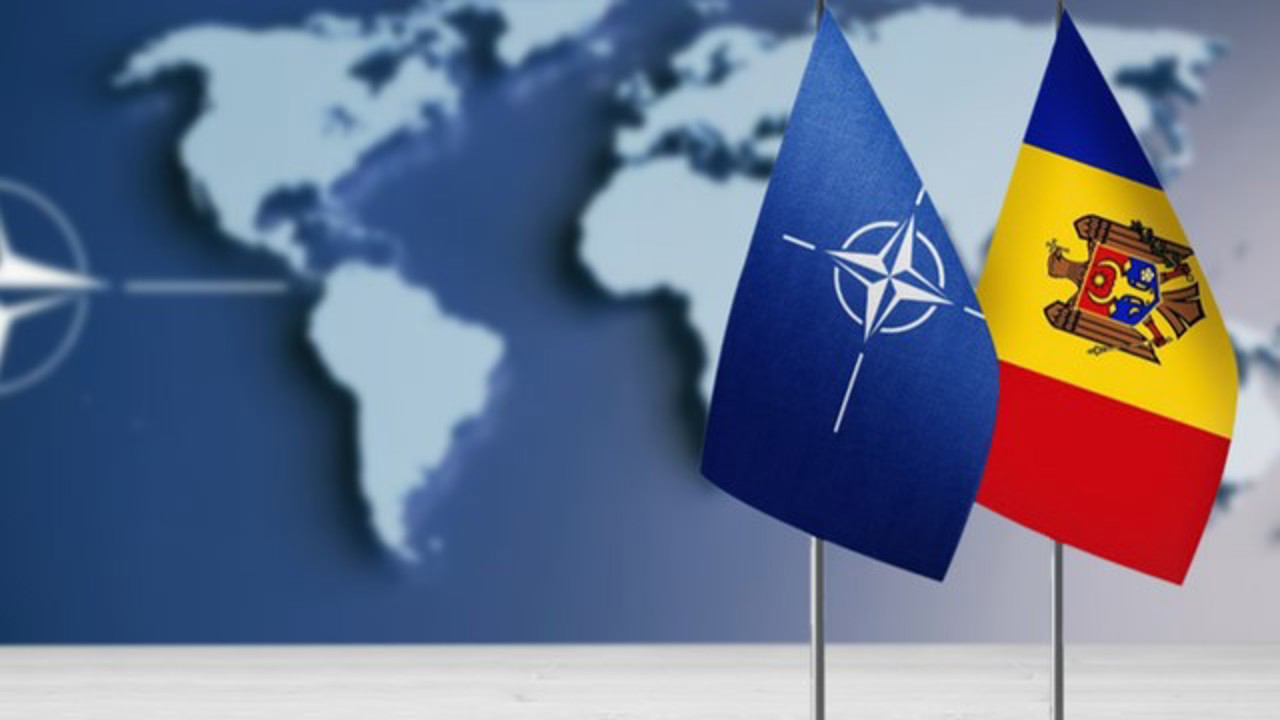
European diplomats and Moldovan officials emphasize that the country's constitutional neutrality does not mean isolation, nor does it preclude international defense cooperation. Following the NATO summit in Ankara, strategic discussions have shifted from political pledges to concrete defense infrastructure projects.
The European Union recently allocated €120 million (approx. 2,352,000,000 MDL) to strengthen Moldova's air defense capabilities. The urgency of the upgrade was highlighted this week when a Russian Shahed drone, carrying a 40-kilogram explosive payload, crashed near the village of Copanca following an airstrike on Ukraine's Odessa region. Moldovan authorities conducted a controlled detonation of the device.
Agne Gleveckaite, Head of the NATO Liaison Office in Chisinau, stated that NATO fully respects Moldova's constitutional neutrality. She emphasized that practical cooperation focuses on modernizing the defense sector, providing modern equipment, and training officials to counter cyber and hybrid threats.
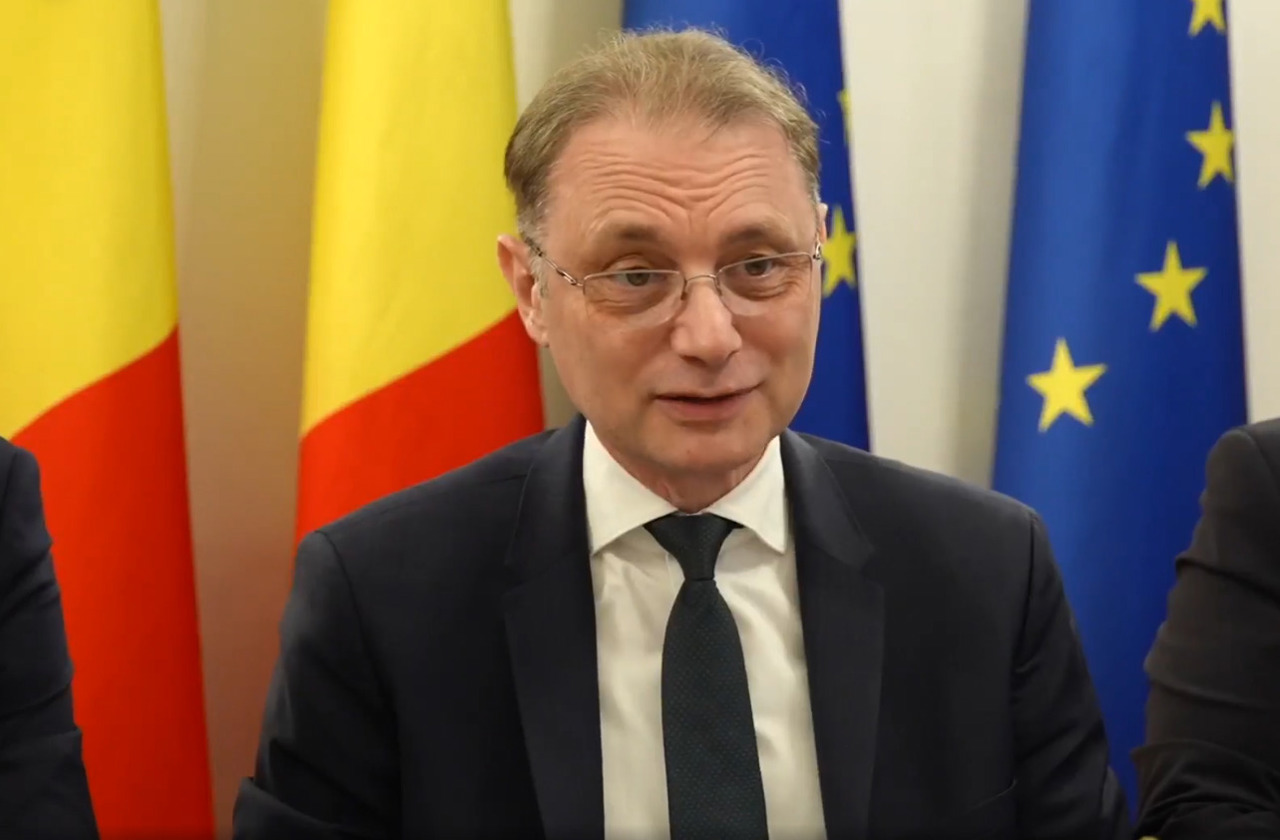
Polish Ambassador Tomasz Kobzdej described the roles of NATO and the EU in Moldova as complementary rather than competitive, noting that necessary funding for the military overhaul has already been secured.
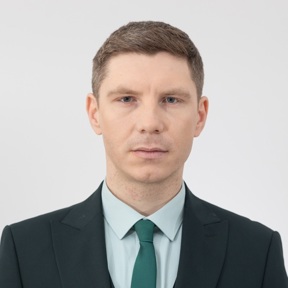
Moldova's current air defense infrastructure relies on outdated Soviet-era technology designed for historical warfare models. Valeriu Mija, State Secretary at the Ministry of Foreign Affairs, noted that defense budgets were systematically reduced after 1994 under the assumption of lasting regional peace.
To rectify these vulnerabilities, Moldova's national defense strategy mandates a gradual increase in military spending. Defense expenditure has recently risen to exceed 0.5% of GDP, with the ultimate goal of reaching 1% of GDP.
Translation by Iurie Tataru