Health minister nominee opposes 20% VAT on medicines
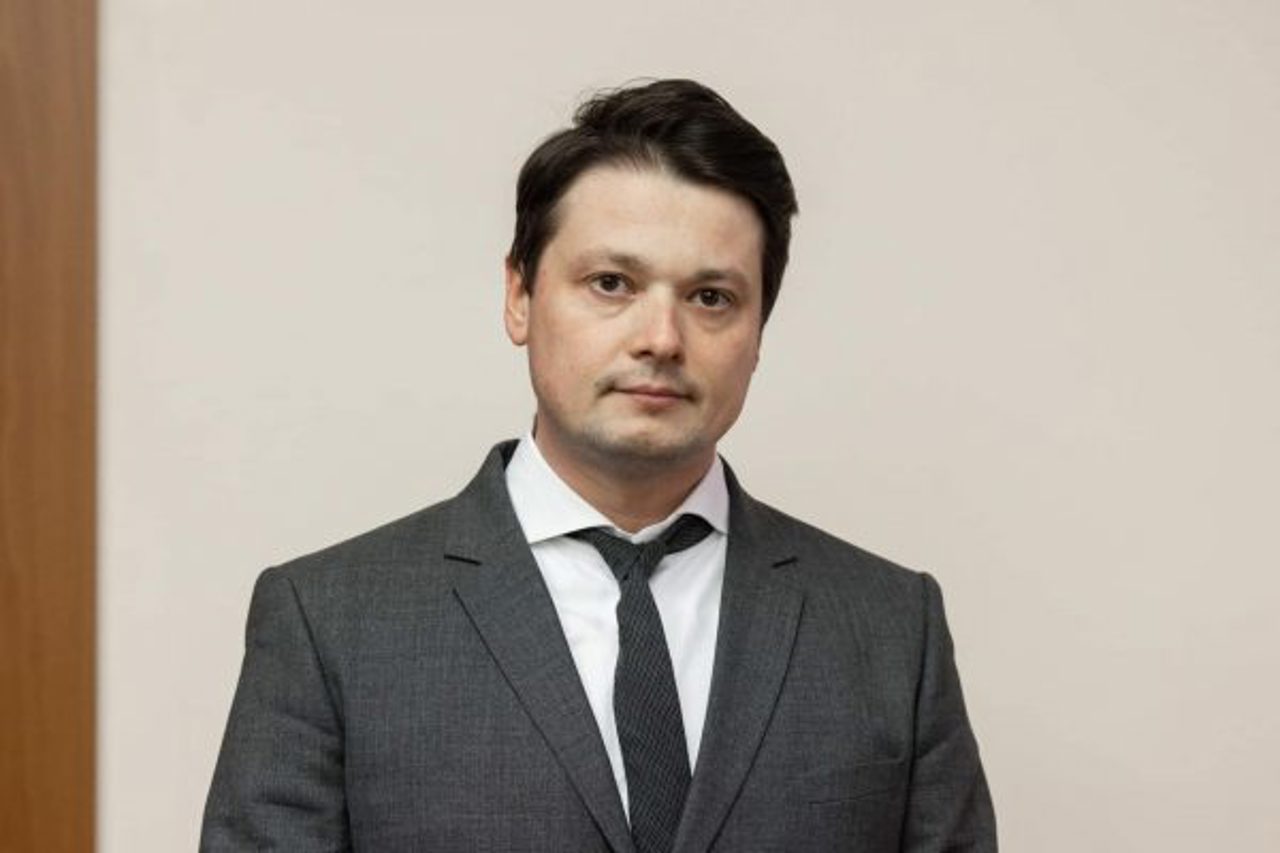
The Minister of Health, Alexandru Gasnaș, suggests keeping the VAT rate for medicines at the current 8% or reducing it to 0% until an impact analysis is conducted.
"We previously had 20% VAT on medicines, now we are at 8%. We do not see the benefit of raising VAT on medicines to 20%, because our system is quite fragmented and we do not have the balanced, targeted component to reach these medicines to the most vulnerable people", Alexandru Gasnaș declared for Newsmaker, after the controversies generated by the intention to increase VAT on medicines, included in the draft budget-fiscal policy for 2027.
The measure was previously criticized by the interim Minister of Health, Emil Ceban, and the project was put on hold.
According to the designated minister, during discussions with the designated Prime Minister, Vasile Tofan, and the interim Minister of Finance, Adrian Gavriliță, there was a discussion about maintaining the current quota or even reducing it.
"We discussed freezing it at 8% or even reducing it to 0%. The increase from 8% to 20% was just a draft concept in which several discussions were held", Gasnaș specified.
Asked how he would act if he became Minister of Health, Alexandru Gasnaș declined to present a list of immediate priorities, noting that the first stage would be to consult those involved in the system.
*"I would not like to discuss priorities or strategies, or radical changes in the system. Initially, I want to hear the voice of citizens and professionals in the system - what are the challenges and where the system does not hear them or disappoints them. Then, together, let's make certain necessary decisions," he said.
Regarding corruption in hospitals, the designated minister claims that one of the solutions is to create a clearer and more transparent medical system, with well-defined paths for patients.
“We must understand that, in medicine, the costs are quite high, and the system, being so fragmented, creates opportunities for corruption, including through informal payments. Probably, the most important thing would be to have clarity on how to make this system unitary, to have very clear entrances and routes for patients”, declared Gasnaș.
He also said that informing citizens about their rights is one of the most important measures in combating the phenomenon.
“Let’s inform citizens about their rights, because this is the best weapon against corruption, as well as for the management and quality of the medical system”, he added.
Alexandru Gasnaș also said that the proposal to serve as Minister of Health came from the designated Prime Minister, Vasile Tofan, following discussions about the problems and challenges in the system.
The draft budget-fiscal policy that failed the Government
We recall that following the wave of criticism in the public space, the authorities decided on June 26 to indefinitely postpone the application of the 20% VAT rate on medicines.
At the same time, the Government definitively abandoned the idea of taxing weddings, baptisms and valuable gifts given at private events.
Another change concerned the payroll tax system, which was to transfer a larger part of contributions directly to the shoulders of employees, but this measure will not be applied in 2027, the current regime being maintained.
The withdrawal of these initiatives came after the draft budget-fiscal policy for 2027, developed by the Ministry of Finance, was harshly criticized immediately after publication. The proposal to increase VAT on medicines even received a negative opinion from the Ministry of Health.
In June, the interim Minister of Health, Emil Ceban, criticized the project in a program on Radio Moldova, warning that such a measure “will destroy the medical system” and could generate price increases in the chain, especially for medicines.
Subsequently, the acting Minister of Finance, Andrian Gavriliță, stated that any additional revenues obtained by increasing the VAT on medicines were to be directed exclusively to the health sector.
Almost a month after the project was published for public consultations, the Government led by Alexandru Munteanu announced its resignation. Among the reasons cited by analysts and experts were controversies over tax reform and scandals involving the salaries of some officials at Moldatsa and other public institutions.
Tofan: Future fiscal measures must be carefully analyzed
After Prime Minister-designate Vasile Tofan presented the composition of the new government on July 17, interim Finance Minister Andrian Gavriliță, who will not be part of the new team, expressed his thoughts on social media. He acknowledged some mistakes made during his tenure and described his experience as promoting one of the toughest reforms in a very challenging governance period as a "misfortune."
Gavriliță also shared that he felt a "a bitter taste" from the wave of disinformation surrounding the fiscal reform, but stated that he would continue to contribute to the country’s development, regardless of his future role.
In response, Prime Minister-designate Vasile Tofan emphasized the importance of careful analysis of future fiscal measures following consultations with business representatives. He noted that while some measures may be "difficult, but inevitable," others may need to be reevaluated.
Tofan stressed that the government's role should be to create a clear and predictable environment for businesses, rather than imposing obstacles on entrepreneurs.
Recently, the Speaker of Parliament, Igor Grosu, stated in an interview with Moldova 1 that the future government must focus on several priorities, including budget rectification, continuing the development of the Law on Wage Payments, and reviewing the fiscal policy, which has sparked controversy in society.