Dozens of farmers in Cahul gain access to a modern irrigation system
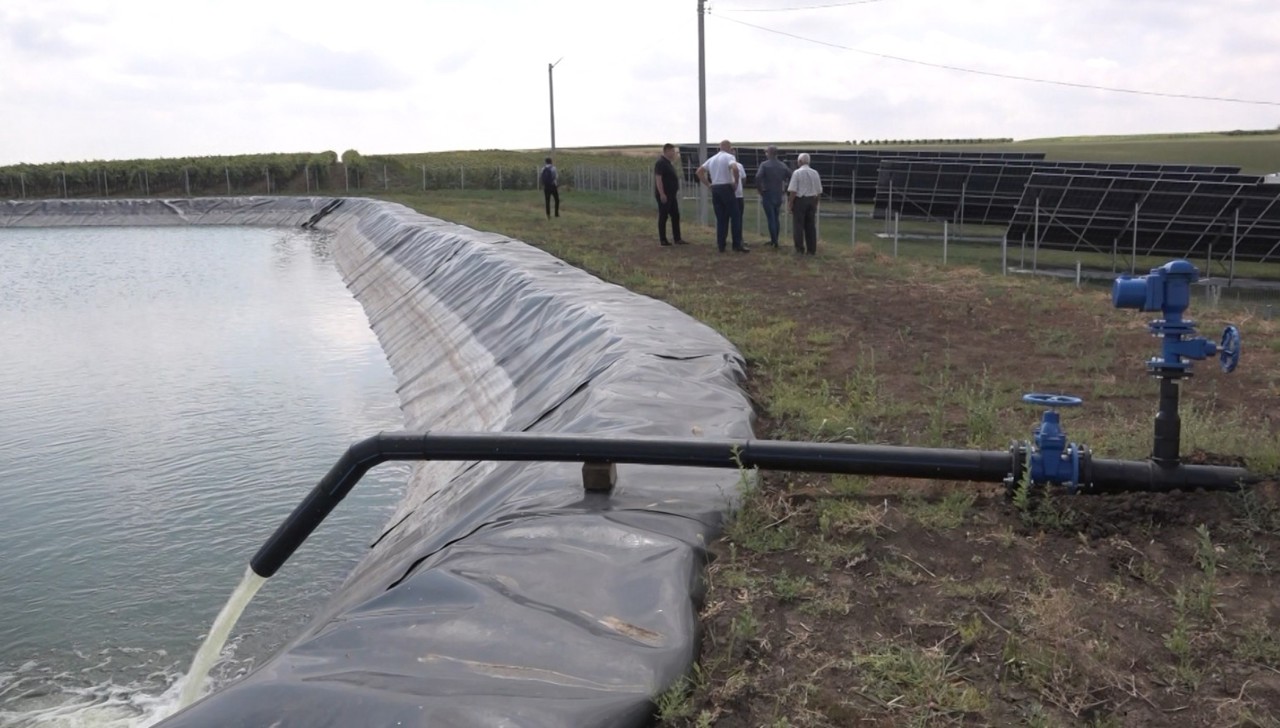
Twenty-five farmers in the village of Pelinei, located in the Cahul district, now have access to a modern irrigation system. This system was inaugurated as part of a project supported by the International Fund for Agricultural Development. With an investment exceeding ten million lei, the project will enable the irrigation of 60 hectares of agricultural land. This development aims to increase productivity and help local agriculture adapt to climate change.
Roman Istrati has been cultivating table grapes on a five-hectare farm in the village of Pelinei for several years. Thanks to a modern irrigation system, he is able to produce high-quality grapes that are competitive in foreign markets.
"The plants look green, healthy, well-maintained, and adequately hydrated. For them to develop properly and ripen, producing high-quality grapes for consumers and for export, irrigation makes a significant difference. The contrast between irrigated and non-irrigated plants is substantial," explained farmer Roman Istrati.
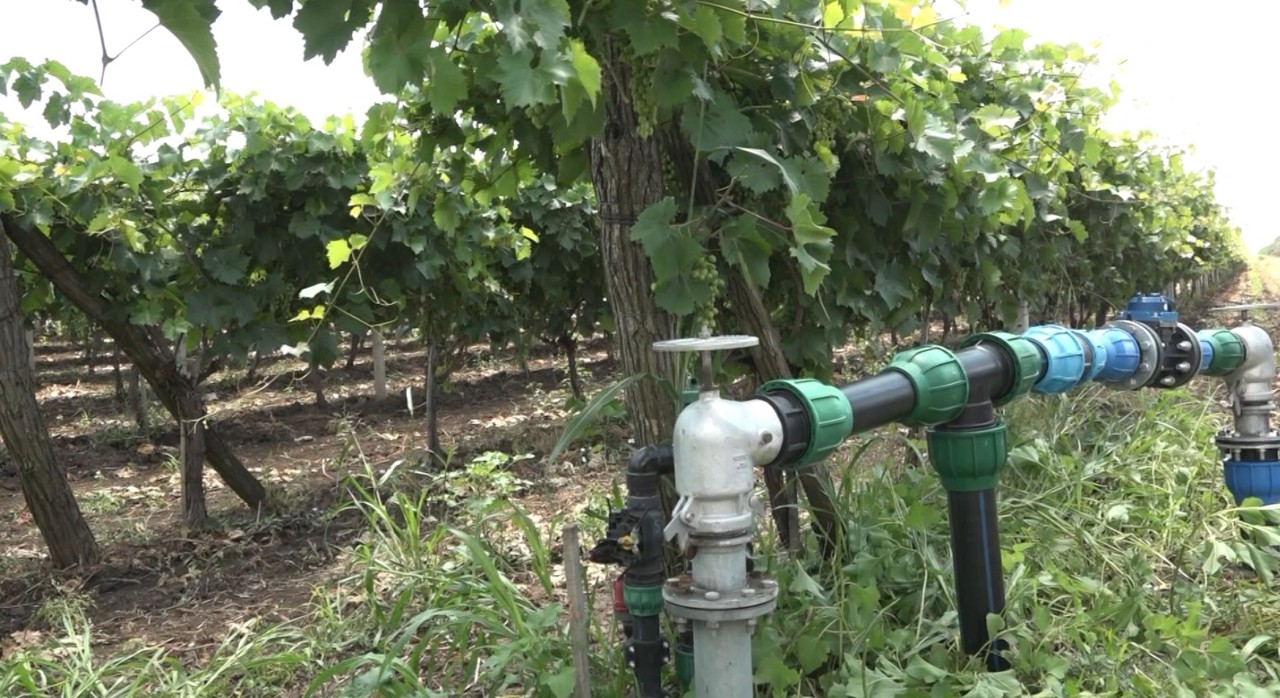
Victor Babaian is a farmer and the president of the “Aqua-Pelinei” Water Users Association. Along with seven other farmers, he manages 30 hectares of vineyards. Thanks to a new project, the irrigated area will increase to 12 hectares per day, and Victor estimates that production will quadruple.
“Before this project, we could only irrigate three hectares per day, and sometimes we couldn’t irrigate at all. We were only able to water once every two weeks or even longer, sometimes 15 to 17 days between irrigations. This caused stress to the plants, and the harvest did not meet our expectations. During a recent heat wave, temperatures reached up to 40 degrees Celsius. At that point, evaporation was high, and we needed a lot more water,” said Victor Babaian.
The project was implemented in two stages, allowing for the development of the local water basin and facilitating the supply of water to the vineyards.
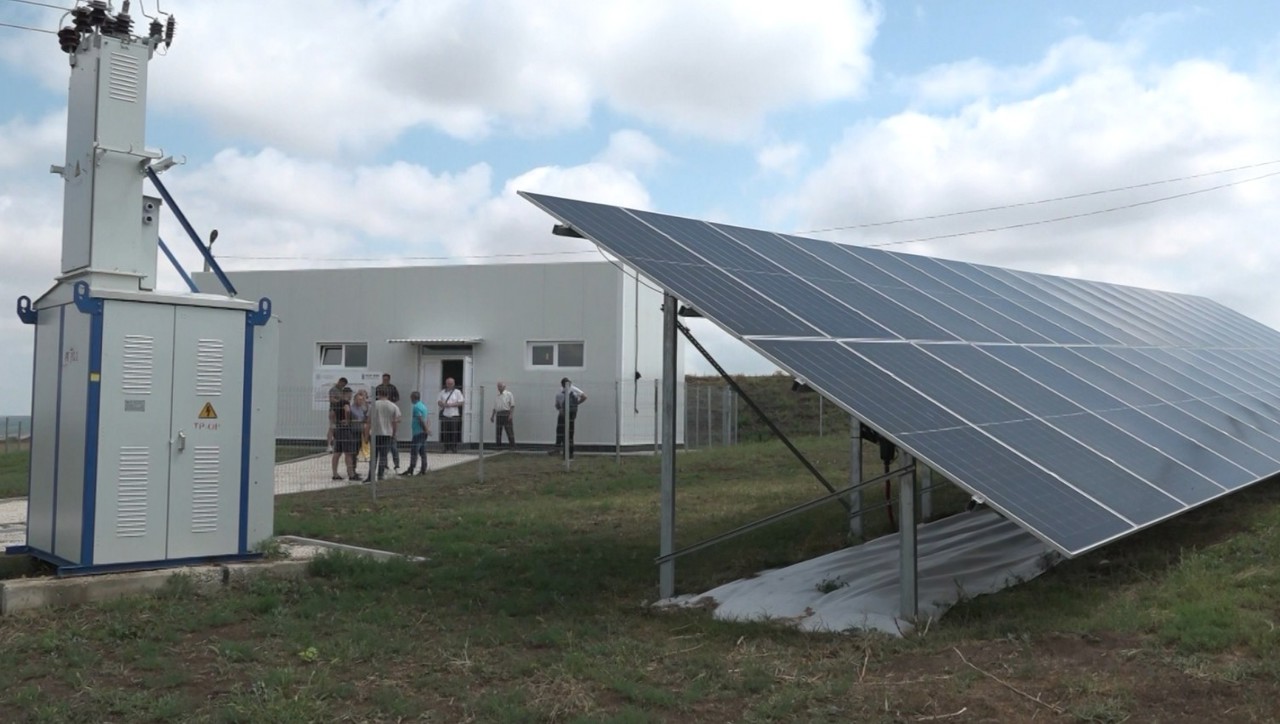
"The entire project involved the construction of a 100 kV photovoltaic park and an approximately 1.7 km electricity supply network, which powers the station and allows us to operate independently and pump water again," stated the site manager, Andrei Comandari.
The southern region of the Republic of Moldova is particularly vulnerable to climate change, experiencing increasing drought conditions. These circumstances complicate agricultural activities, and farmers face significant risks and crop losses each year.
"There is a lack of humidity in the south of the country. By bringing water, we enhance value-added production, introduce new technologies, and ultimately, we will help revive village life", said Iurie Ușurelu, the director of the Consolidated Programme Implementation Unit (IFAD).
The first phase of the project was completed in 2023, during which four farmers received grants totaling approximately three million lei for the construction of an electric pumping station and a water distribution network spanning five kilometers.
Following this, as part of the IFAD “Capacity Building for Rural Transformation” program, 25 farmers from the locality collaborated to expand the infrastructure, securing financial support of 7.18 million lei.